

Why real-time tracking matters in 2026
The landscape of crypto taxation has shifted from reactive reconciliation to proactive compliance. With the implementation of Form 1099-DA, the IRS is no longer relying solely on taxpayer self-reporting. Instead, the agency is receiving detailed transaction reports directly from centralized exchanges and certain on-chain intermediaries. This regulatory change means that discrepancies between your internal records and the data the IRS possesses are far more likely to trigger audits.
This new framework exposes a critical vulnerability in how most DeFi users manage their portfolios: the data gap. While centralized exchanges may report to the IRS, many DeFi transactions occur on non-custodial wallets and decentralized protocols. These activities often fall outside the immediate scope of automated 1099 reporting, creating a blind spot. Without real-time tracking, you are left to manually reconstruct complex swap histories, liquidity provision events, and yield farming rewards after the tax year has closed.
Manual reconstruction is not only time-consuming but also error-prone. Blockchain data is abundant but fragmented. A single DeFi strategy might involve multiple tokens, bridges, and smart contract interactions across different chains. Real-time tax lot tracking tools bridge this gap by capturing every transaction as it happens, assigning accurate cost basis methods, and flagging taxable events immediately. This ensures that when Form 1099-DA data arrives, your records are already reconciled and ready for filing, protecting you from the penalties associated with inaccurate or incomplete reporting.
Choose the right DeFi tax software
DeFi tax lot tracking requires more than basic transaction history. You need tools that can identify specific lots across complex DeFi protocols, sync with real-time prices, and generate accurate cost basis reports. The right software saves hours of manual reconciliation and reduces the risk of IRS penalties.
When comparing DeFi tax tracking tools, focus on three core capabilities: protocol support, real-time sync accuracy, and lot identification methods. Most major platforms now support Ethereum, Solana, and Layer 2 networks, but DeFi-specific features like yield farming, liquidity pool interactions, and airdrops vary significantly.
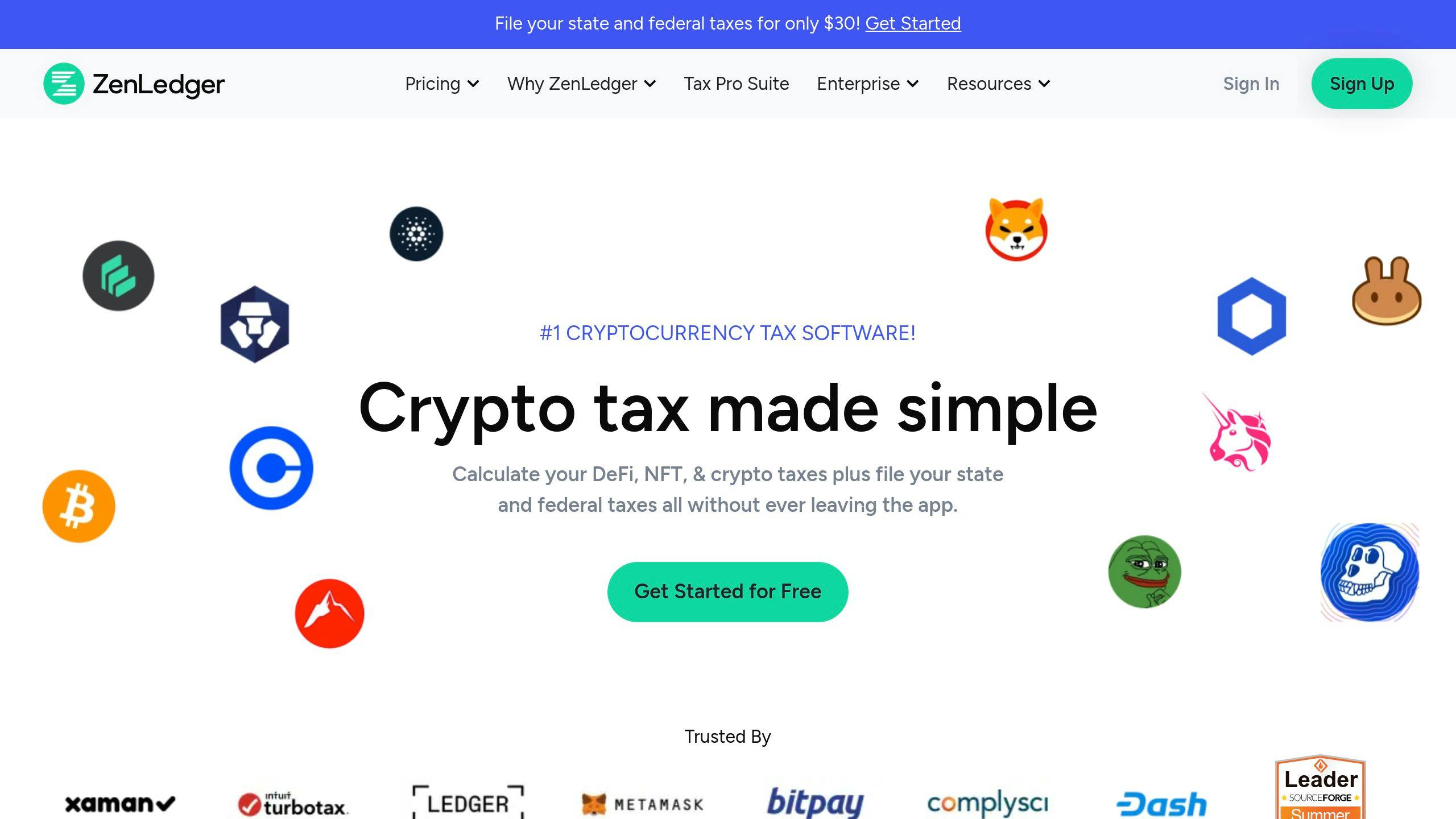
The following comparison highlights key differences between leading DeFi tax software options. These tools automate transaction classification and help identify missing data gaps before filing.
For readers seeking physical resources to support their DeFi tax preparation workflow, the following tools and guides may be helpful:


As an Amazon Associate, we may earn from qualifying purchases.
Selecting the right DeFi tax tracking tool depends on your specific activity. If you interact with many DeFi protocols, prioritize platforms with broad protocol support and real-time sync. For simpler portfolios, FIFO or LIFO methods may suffice. Always verify that your chosen software supports the specific lot identification method required by your jurisdiction.
How to execute tax loss harvesting in DeFi
Tax loss harvesting reduces your taxable income by selling assets at a loss to offset capital gains. In DeFi, this requires real-time lot tracking because blockchain data is fragmented across chains and protocols. Without accurate FIFO (First-In, First-Out) or specific identification tracking, you risk missing valid losses or triggering wash sales.
Use the steps below to identify and execute loss harvesting opportunities using real-time lot data.
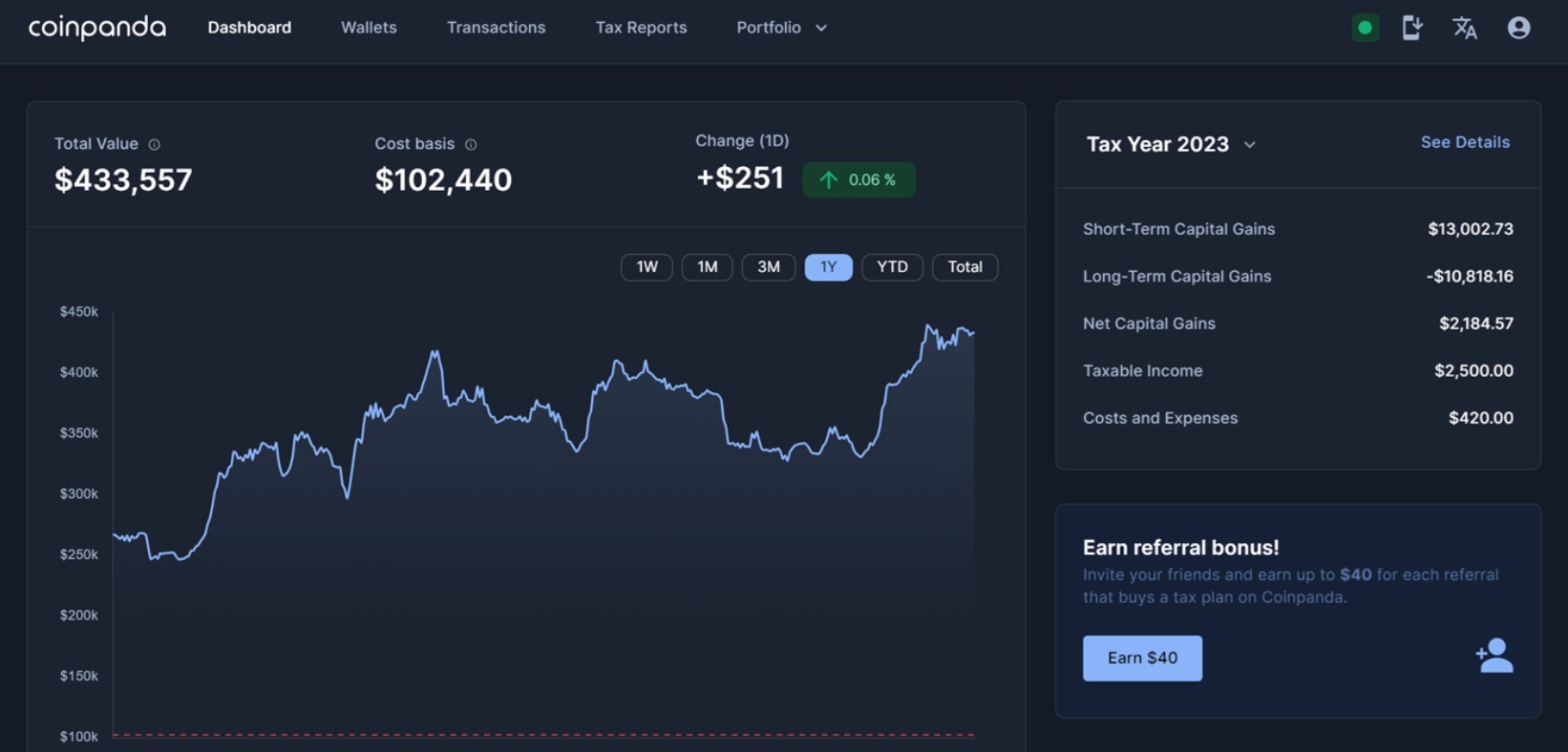
Scan your portfolio for assets currently trading below your cost basis. Use a DeFi tax tool that aggregates data from all your wallets and protocols. Filter for "unrealized losses" to see which tokens are underwater. Focus on positions where the loss is significant enough to offset other gains.
Verify that selling the asset won't trigger a wash sale. In traditional markets, buying the same asset within 30 days disqualifies the loss. While the IRS has not explicitly applied wash sale rules to cryptocurrencies yet, the rule may apply to "substantially identical" securities. To be safe, wait 31 days before repurchasing the same token, or buy a different token with similar exposure.

Sell the losing asset on a centralized exchange (CEX) like Coinbase or Kraken. CEXs provide clear transaction records and often offer automated tax lot identification. This makes it easier to claim the loss on your tax return. Avoid selling on decentralized exchanges (DEXs) if possible, as DEX transactions are harder to track and reconcile for tax purposes.

Import the transaction into your tax software. Ensure the loss is categorized correctly as a short-term or long-term capital loss. Short-term losses offset short-term gains first, then long-term gains. Long-term losses offset long-term gains first, then short-term gains. Any remaining loss can offset up to $3,000 of ordinary income per year.
After the 31-day wash sale window has passed, you can reinvest the proceeds into a different asset. Choose an asset that aligns with your investment thesis but is not "substantially identical" to the one you sold. This allows you to maintain market exposure while realizing the tax benefit.
| Feature | Centralized Exchange | Decentralized Exchange |
|---|---|---|
Handling missing data and audits
Reconciling on-chain activity with tax software often reveals gaps. DeFi protocols frequently lack the standardized transaction labels found in centralized exchanges. When data is missing, you must reconstruct the cost basis manually to avoid overpaying taxes or triggering an audit flag.
Start by exporting raw transaction logs from your wallet. Use block explorers like Etherscan or Solscan to verify individual transfers that your aggregator might have missed. Cross-reference these with your DeFi protocol dashboards. This manual verification ensures that every swap, liquidity provision, and yield claim is accounted for before filing.
The IRS treats crypto as property, meaning every transaction is a taxable event. During an audit, they trace your full transaction history across the blockchain. They can easily identify decentralized accounts that were not reported, even if no third-party 1099 form was issued. As tax attorney Andrew Gordon notes, the IRS has sophisticated tools to trace activity on public ledgers.
To prepare for potential scrutiny, maintain a detailed audit trail. Save screenshots of your wallet balances at the start and end of each tax year. Document the specific protocol interactions and the fair market value of assets at the time of each transaction. This evidence demonstrates good faith and provides a clear defense if questions arise.
Most active DeFi users do not wait until tax season to track gains. Leaving reconciliation until the last minute increases the risk of errors and missing data. Start tracking weekly to stay compliant.
Proactive data management is your best defense. By keeping accurate records and reconciling data in real-time, you reduce the complexity of tax filing and minimize the likelihood of an audit. If you are audited, having a clear, documented history of your DeFi activities will streamline the process and protect your financial interests.
No comments yet. Be the first to share your thoughts!