
Get DeFi Tax Lots Right
Before applying FIFO or LIFO, you need a complete map of your on-chain history. DeFi transactions create more data points than a standard exchange trade. Every swap, liquidity provision, staking reward, and airdrop generates a separate taxable event. Without accurate lot identification, your tax software cannot calculate your cost basis correctly, leading to overpaid taxes or audit risks.
Start by aggregating your transaction history from all wallets and protocols. Use a dedicated DeFi tax tool to pull data from major networks like Ethereum, Solana, and Polygon. Ensure the tool captures all internal transactions, including those buried in cross-chain bridges or complex yield farming strategies. Missing even one small transaction can skew your entire lot accounting.
Once imported, verify that each transaction is tagged correctly. Staking rewards should be marked as income, while liquidity pool deposits are usually non-taxable until withdrawn. Check that the cost basis for each token is recorded at the time of acquisition. This foundational step ensures that when you apply FIFO or LIFO later, the software is working with accurate, complete data.
Work through the steps
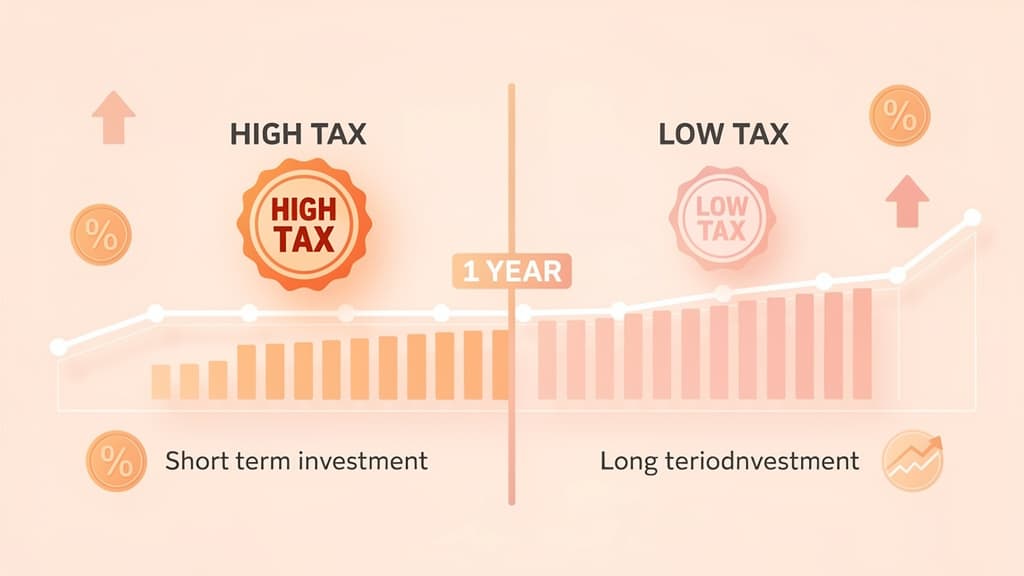
Choosing between FIFO and LIFO for DeFi tax lots isn't just a bookkeeping preference; it's a direct lever on your tax bill. Because DeFi activity involves high-frequency swaps, liquidity pool rebalancing, and airdrops, the order in which you sell assets determines whether gains are taxed at short-term ordinary rates or long-term capital gains rates. The IRS requires you to identify the specific tax lot being sold, and your chosen method (FIFO, LIFO, or Specific Identification) must be applied consistently across your returns.
Follow this sequence to apply the correct lot identification method to your DeFi transactions.

Before applying any lot method, you need a clean dataset. DeFi protocols often split transactions across multiple chains and wallets. Use a tax software that supports DeFi protocols to aggregate all swaps, staking rewards, and liquidity pool deposits. Ensure every transaction has a timestamp, cost basis, and proceeds. Without this normalized data, you cannot accurately determine which lot is being sold.
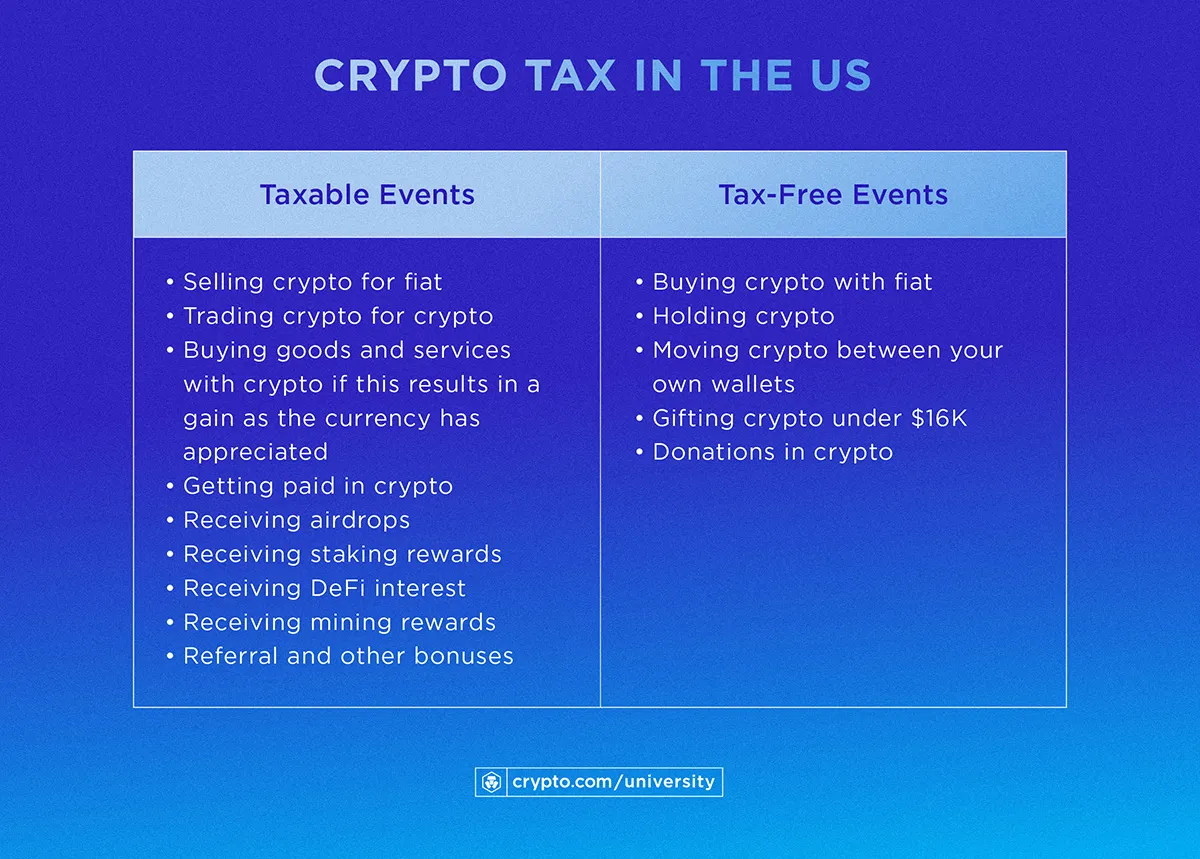
If you do not explicitly specify a lot identification method, the IRS defaults to First-In, First-Out (FIFO). Under FIFO, the earliest acquired tokens are considered sold first. This often results in higher short-term capital gains if you are actively trading, as your oldest holdings are likely the ones you bought most recently in a bull market. Decide early whether FIFO, Last-In, First-Out (LIFO), or Specific Identification best fits your strategy.
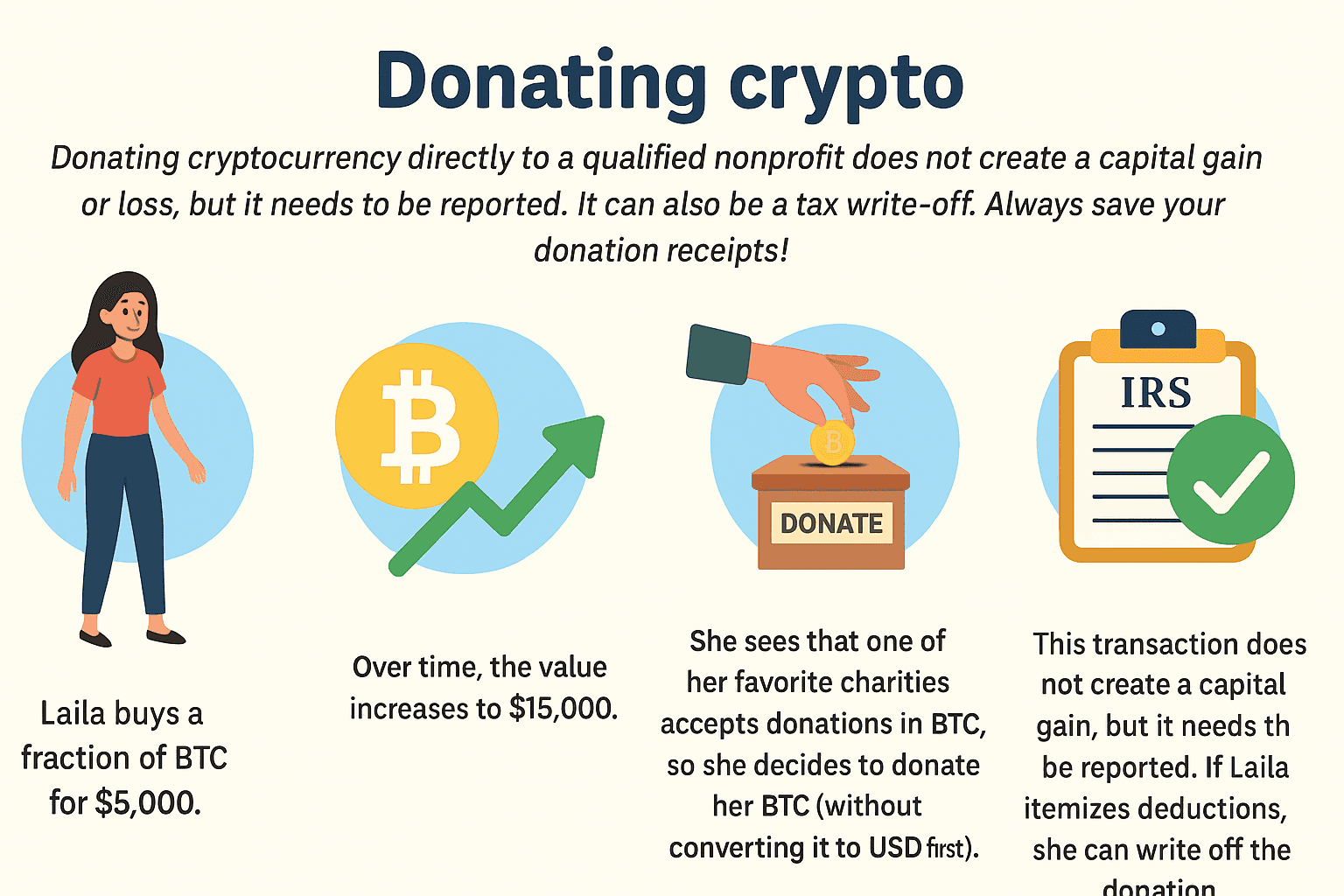
To use LIFO, you must explicitly identify the most recently acquired tokens as the ones being sold. This is particularly useful in a rising market where your newest assets have a higher cost basis. By selling these first, you reduce the taxable gain. However, LIFO can leave you with older, lower-cost-basis assets in your portfolio, which may trigger larger gains when you eventually sell them. Ensure your tax software is configured to prioritize the most recent purchase dates.
For liquidity pool deposits, staking rewards, or airdrops, FIFO and LIFO can be messy. Specific Identification allows you to pick exactly which lot you are selling by matching the transaction ID or timestamp. This is the most accurate method for DeFi but requires meticulous record-keeping. If you cannot reliably track the specific lot, fall back to FIFO or LIFO, but document your methodology clearly in your tax records.
The IRS requires that your lot identification method be consistent from year to year. If you switch from FIFO to LIFO, you must file Form 3115 to request a change in accounting method. Document your chosen method in your tax file. If audited, you will need to show that you applied the same logic to every similar transaction throughout the tax year.
| Method | Best For | Complexity |
|---|---|---|
Fix common mistakes
DeFi tax lot strategies are only as good as the data feeding them. The difference between a smooth audit and a costly correction often comes down to three specific errors. Correcting these mistakes protects your FIFO or LIFO calculations from the inherent noise of decentralized finance.
Ignoring the cost basis of airdrops and staking rewards is the most frequent error. Many traders treat received tokens as having a zero cost basis because they acquired them for free. This is incorrect. The IRS requires you to record the fair market value of the token at the exact moment of receipt as your cost basis. If you claim a zero basis, the entire sale price becomes taxable gain, inflating your liability. Record the USD value at receipt, not the $0.00 price tag.
Mismatching lots across different wallets or chains breaks the integrity of your lot tracking. FIFO and LIFO rely on a chronological sequence of acquisitions. If you buy ETH on Ethereum Mainnet in January and on Arbitrum in March, your software must recognize these as two distinct acquisition events in the same lot pool. Treating them as separate, unrelated inventories prevents accurate loss harvesting and distorts your average cost. Ensure your tax software aggregates all instances of the same asset into a single lot ledger.
Failing to account for gas fees in the cost basis quietly erodes your returns. Every swap, bridge, or liquidity provision transaction incurs network fees. These fees are not just expenses; they are part of the acquisition cost. When you sell, your gain is calculated as Sale Price - (Token Cost + Gas Fees). Omitting gas fees increases your reported taxable gain unnecessarily. Add the gas paid for each specific lot to its acquisition cost to ensure the IRS sees the true profit margin.
Defi tax lots 2026: what to check next
The 2026 filing season brings new complexity to decentralized finance reporting. With the introduction of IRS Form 1099-DA and stricter cost basis tracking requirements, many investors are unsure how to handle their open positions. These common questions address the immediate concerns surrounding DeFi tax lots and regulatory changes.
Understanding these distinctions helps you avoid the "minefield" experts warn about. Proper lot selection is no longer optional; it is a core compliance requirement for 2026.
No comments yet. Be the first to share your thoughts!