

In the fast-evolving world of decentralized finance, DeFi traders juggling multi-chain swaps across Ethereum and Solana face a stark reality in 2026: tax compliance is no longer optional, it's a survival skill. With the IRS enforcing per-wallet cost basis methods since January 2025, every swap, liquidity provision, and airdrop must tie back to precise acquisition costs within the same wallet. FIFO and LIFO aren't just accounting jargon; they are levers for aligning your onchain PnL with macro trends while minimizing liabilities. True value, as I've learned over two decades in commodities and stable yields, emerges over time, not in fleeting trades.
Decoding IRS Per-Wallet Rules for DeFi Tax Lots
The IRS treats cryptocurrencies as capital assets, meaning each DeFi swap triggers a taxable event reported on Form 8949. Under the new per-wallet regime, you match disposals to the cost basis from the identical account, eliminating cross-wallet averaging games. This shift demands meticulous tracking of tax lots, especially for Ethereum's EVM chains and Solana's high-speed ecosystem where bridges and DEXes multiply transaction complexity.
FIFO (First-In, First-Out) assumes oldest lots sell first, ideal for qualifying long-term gains if you've held positions over a year. But in bull runs, it can inflate gains from low-basis early buys. LIFO (Last-In, First-Out), conversely, sells newest lots first, often shielding profits by pairing recent high-cost acquisitions with disposals. Specific ID allows cherry-picking high-basis lots, but only if documented pre-sale, per IRS guidelines echoed by experts like Camuso CPA and CoinLedger.
FIFO vs LIFO: Comparison for DeFi Multi-Chain Swaps (Ethereum/Solana Scenarios)
| Method | Pros | Cons | Best For |
|---|---|---|---|
| FIFO | • Qualifies oldest lots for long-term capital gains rates (if held >1 year) • Simple default method, easier compliance • Reliable for 'per wallet' tracking across chains | • Higher taxable gains in rising markets (low-basis early ETH buys) • Less optimal for frequent DeFi swaps | Long-term holders: e.g., 2025 ETH buy swapped to SOL in 2026 after 1+ year (qualifies LTCG) |
| LIFO | • Minimizes gains in bull markets (sells high-basis recent lots first) • Ideal for active trading with higher recent costs | • Often results in short-term gains (recent lots <1 year) • Requires pre-disposal documentation for IRS 'per wallet' rules | Active DeFi traders: e.g., Recent SOL buys swapped to ETH in 2026 multi-chain arbitrage |
Multi-chain DeFi tax reporting 2026 amplifies these choices. A Solana swap followed by an Ethereum bridge? Each leg needs lot-specific basis, fees included, timestamped accurately. Neglect this, and audits loom, as the IRS ramps up 1099-DA enforcement.
Mastering FIFO LIFO DeFi Swaps Calculators Onchain
Picture this: You're farming yields on Solana's Raydium, swapping into Ethereum liquidity pools via Across protocol. Without an onchain PnL tracker Ethereum Solana, reconciling FIFO versus LIFO scenarios becomes guesswork. Tools like DefiTaxLots. com shine here, delivering real-time lot visualization across EVM chains, flagging high-basis candidates for Specific ID, and simulating tax outcomes pre-trade.
I've seen traders shave thousands by previewing LIFO in rising markets, where recent buys at peaks offset sales. Yet FIFO suits the patient, aligning with long-range monitoring I advocate. The key? Consistent application per wallet, documented in a master ledger capturing TXIDs, FMVs, and fees. Crypto tax software from CoinLedger to Kryptos automates much, but for DeFi natives, onchain precision rules.
Building Your DeFi Tax Compliance Toolkit
Start with record-keeping rigor. Tag internal transfers as non-taxable, log every fee as an adjustment, and maintain FMV at acquisition and disposal. Platforms like LedgerLynx handle DEX swaps, NFTs, and staking; Moonscape unifies CEX-to-DeFi flows. But for pure multi-chain depth, a dedicated DeFi tax lots FIFO LIFO tool prevents errors in volatile environments.
Tax-loss harvesting fits neatly too, pairing LIFO losses with gains elsewhere. As 2026 unfolds, with IRS crackdowns via 1099-DA, proactive simulation via FIFO LIFO DeFi swaps calculators becomes your edge. I've advised holding through cycles; now, pair that with compliant tracking for peace of mind.
Consider a trader bridging 1 SOL from Solana at $150 acquisition to Ethereum, swapping half for ETH at prevailing rates, then selling amid volatility. Under FIFO, the original low-basis SOL lot triggers short-term gains if flipped quickly; LIFO pairs the recent bridge cost, potentially neutralizing them. This nuance underscores why onchain PnL tracker Ethereum Solana tools are indispensable, rendering tax lots visible before execution.
Simulating Tax Outcomes in Multi-Chain Environments
DeFi's fragmentation demands simulation. Platforms flag lots by basis, projecting FIFO, LIFO, or Specific ID impacts. In my experience, LIFO excels during uptrends, as newer, pricier entries cushion disposals. Yet FIFO rewards discipline, maturing lots into long-term status over 365 days. For multi-chain DeFi tax reporting 2026, toggle methods per wallet to preview Form 8949 entries, fees baked in.
Hypothetical ETH-SOL Swap Tax Lot Example: 1 ETH Swapped at $4,500 FMV (2026-02-28)
| Lot Details (Acquisition Date / Price / Quantity) | FIFO Gain/Loss | LIFO Gain/Loss | Specific ID Option (Gain/Loss) |
|---|---|---|---|
| Lot 1 2025-01-15 $2,500 1 ETH | $2,000 | N/A | $2,000 |
| Lot 2 2025-06-20 $3,200 1 ETH | N/A | N/A | $1,300 |
| Lot 3 2026-01-10 $4,000 1 ETH | N/A | $500 | $500 |
| Totals (1 ETH sale) | $2,000 | $500 | $500 (HIFO) |
Such previews reveal opportunities like tax-loss harvesting: sell underwater LIFO lots from airdrops or failed farms to offset gains elsewhere, resetting basis cleanly. I've watched commodities portfolios thrive on similar offsets; DeFi mirrors this, provided records withstand scrutiny.
Crafting a Bulletproof Master Ledger
Your ledger is the fortress. Columns for TXID, chain, timestamp, inbound/outbound asset, FMV, fees, lot method. Segregate wallets by strategy: one for short-term LIFO plays, another FIFO holds. Tools like CryptoTaxCalculator ingest 800 and exchanges, but DeFi shines with onchain parsers flagging bridge fees as basis adjustments. Neglect tagging transfers, and phantom gains emerge.
Periodic reconciliation quarterly aligns simulations with reality. Export CSVs for IRS-compliant reports, ready for 1099-DA gross proceeds matching come 2027 filings. As IRS FIFO relief evolves, per Cryptoworth insights, delays buy time, but vigilance defines winners.
Master FIFO/LIFO Tax Tracking: Essential Setup for Multi-Chain DeFi Compliance
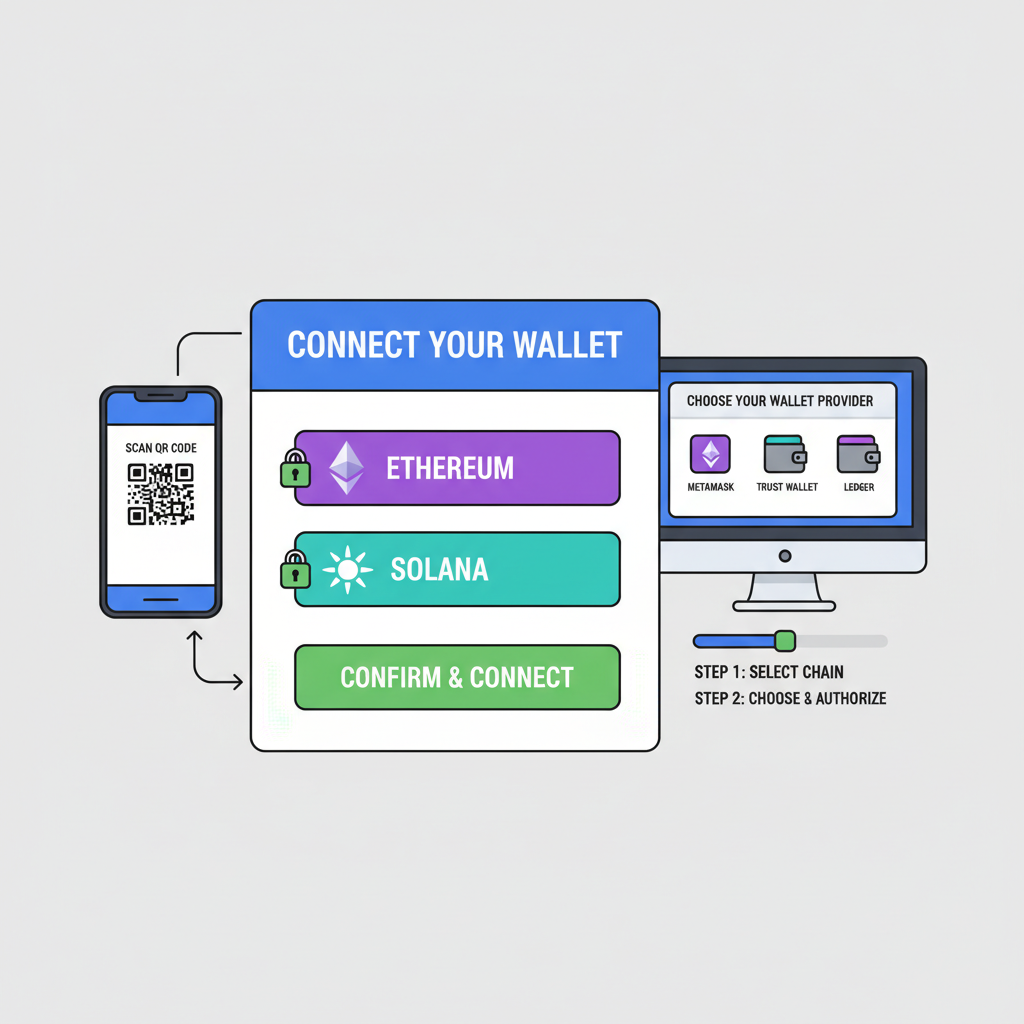
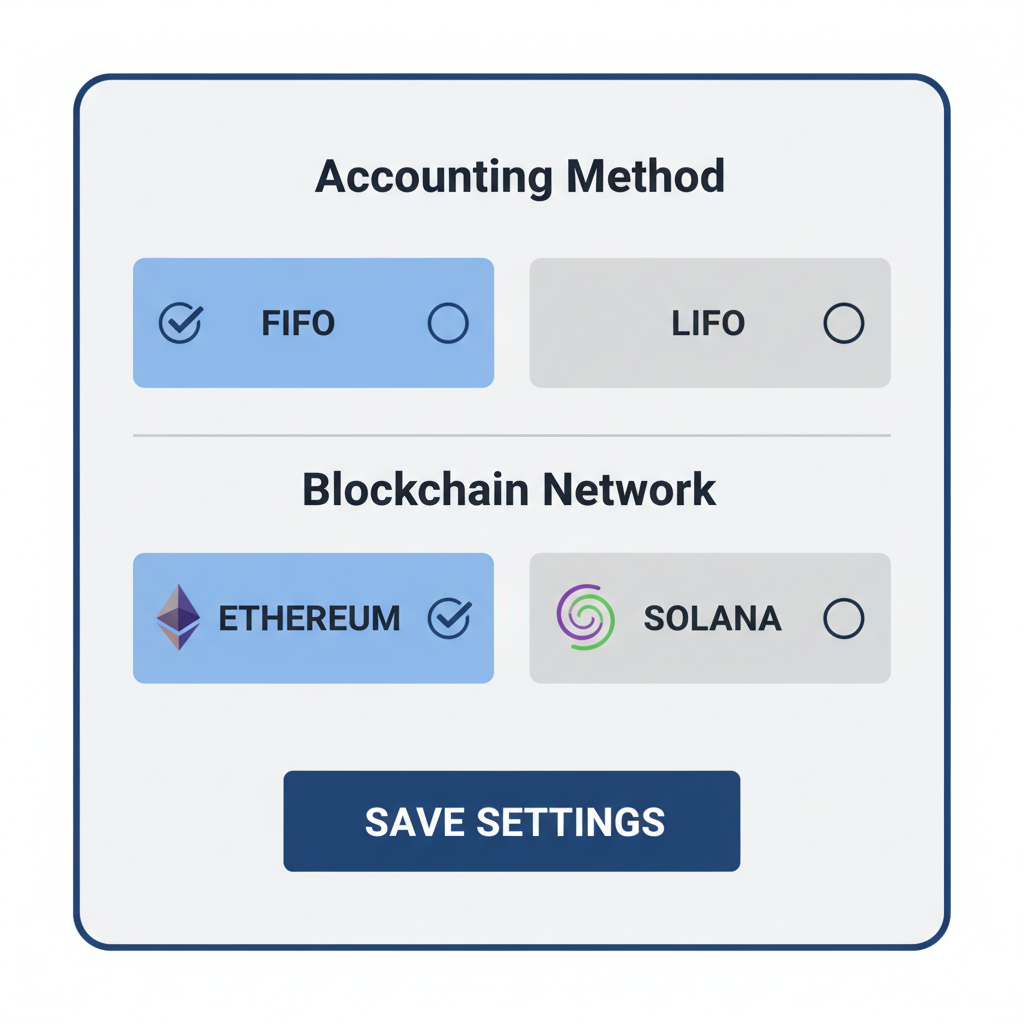
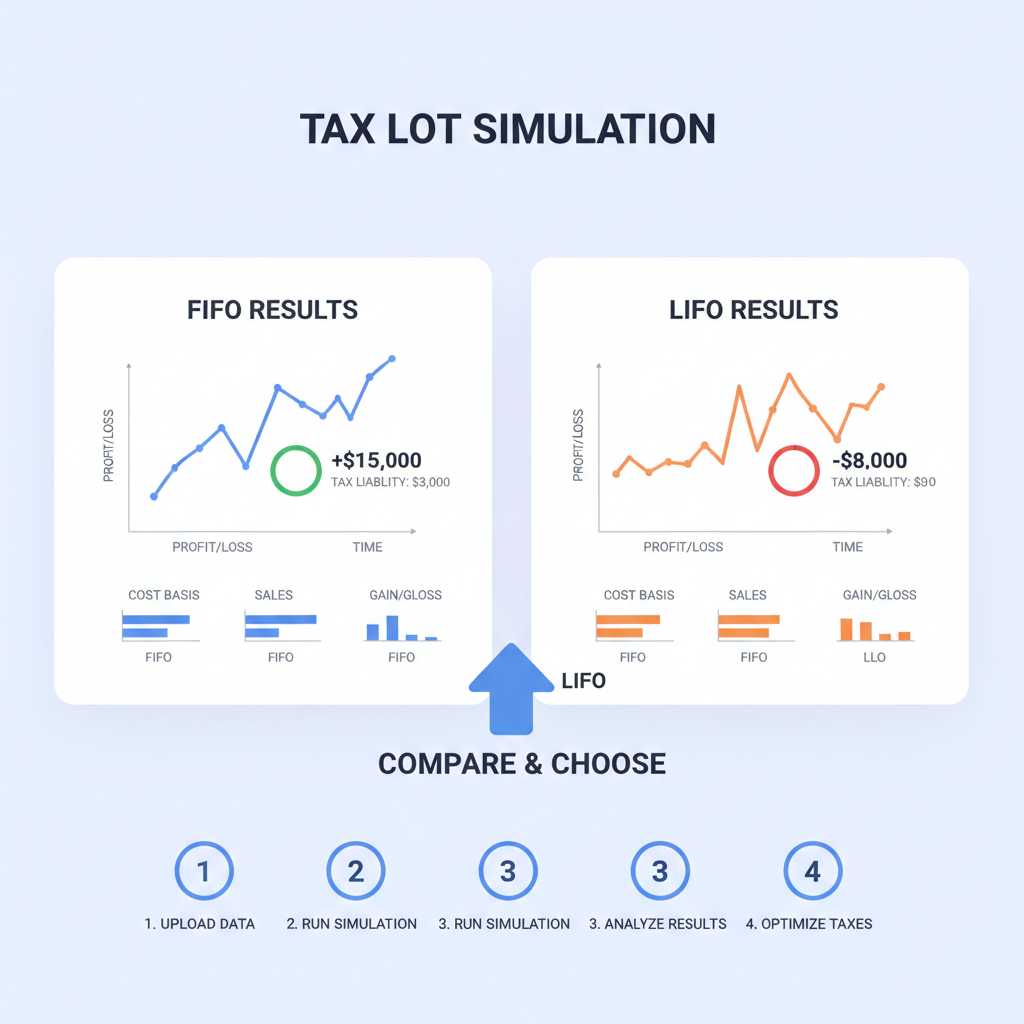
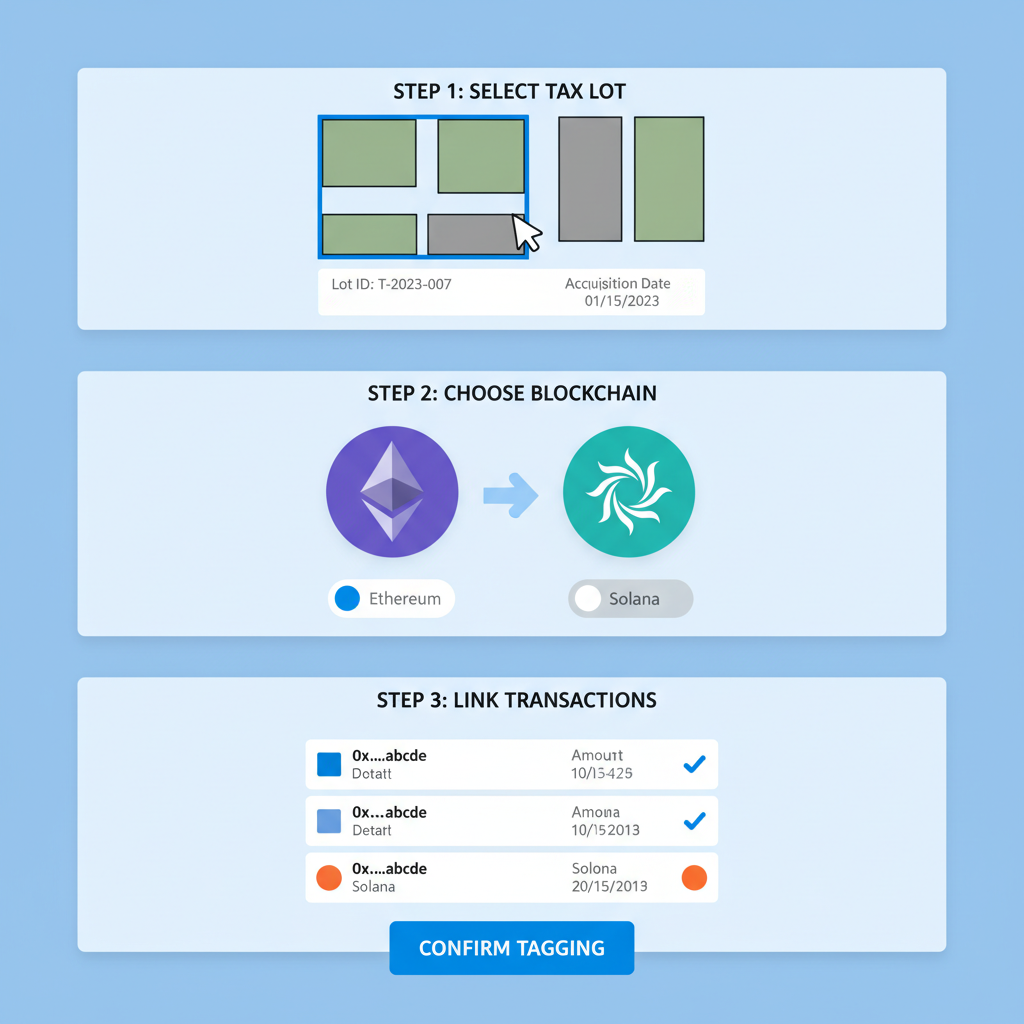
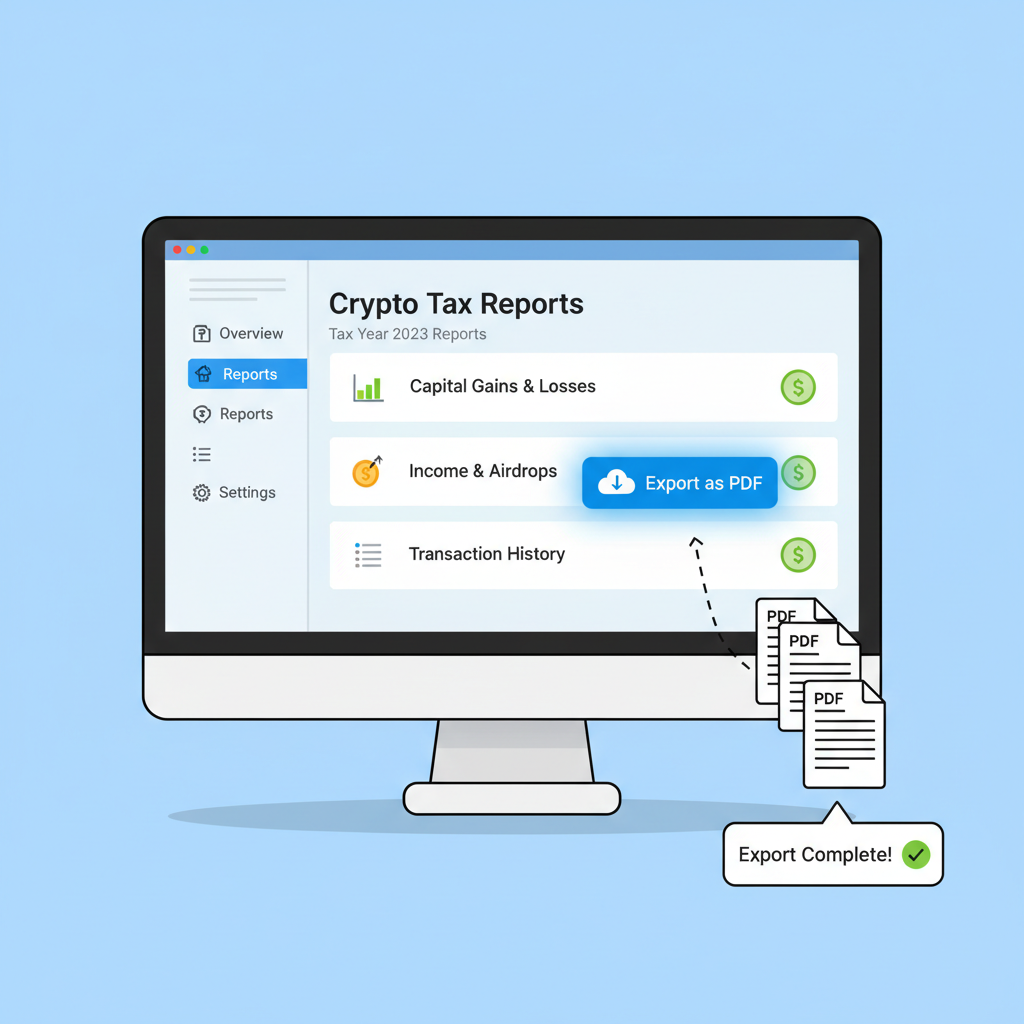
Advanced users layer multisig and LP positions, where yields complicate basis. Here, FIFO LIFO DeFi swaps calculator integrations parse APYs into lots, vital for Solana's velocity meeting Ethereum's depth.
Aligning Trades with Long-Range PnL
True mastery fuses tax tactics with macro vision. I've traded commodities through booms and busts; DeFi demands the same patience. Use LIFO tactically in peaks, pivot FIFO for horizons beyond 12 months. Onchain dashboards visualize this arc, correlating lot ages with trends, steering from reactive swaps to positioned holds.
As 2026 progresses, with MEXC's tips on harvesting and Kryptos automating DeFi/NFT trails, the compliant thrive. Proactive lot management not only dodges penalties but unlocks capital for yield farms resilient to crackdowns. Over decades, I've seen speculation fade; enduring portfolios, tracked meticulously, compound quietly.




No comments yet. Be the first to share your thoughts!