

DeFi yield farming in 2026 delivers jaw-dropping APYs north of 50% across chains like Ethereum, Solana, and Base, but here's the gut punch: every reward token drop triggers ordinary income tax at fair market value. As of March 2026, the IRS classifies these as taxable upon receipt, slamming you with federal rates from 10% to 37% plus state bites. I've farmed millions in rewards aggressively, and ignoring this nukes your PnL. Smart traders arm up with FIFO LIFO DeFi tax lots tracking via onchain PnL tools to slash capital gains later.
Yield Farming's Hidden Tax Traps: Income Hits You First
Picture this: you stake LP tokens in a Uniswap V3 pool, harvest 1,000 USDC rewards valued at $1,000 on receipt day. Boom, that's $1,000 ordinary income, taxed immediately regardless if you hold or HODL. Data from CoinTracking confirms staking and farming mirror employment income; no deferral allowed. Most DeFi users miss the double whammy: income tax upfront, then capital gains on disposal. Yield farming generates two tax categories - protocol rewards as income, swaps or liquidity pulls as gains/losses per Awaken Tax insights.
2026 IRS scrutiny ramps up with broker reporting mandates. Centralized exchanges 1099 you, but DeFi's onchain anonymity? Your wallet's the broker now. Non-compliance risks audits, penalties up to 75% of unpaid tax. My data-driven play: track every harvest with precise FMV from oracles like Chainlink. Tools mislabeling LP fees as non-taxable? Recipe for IRS red flags, as blockstats. app exposes in their DeFi software roast.
FIFO vs. LIFO vs. HIFO: Taxable Gains Comparison for DeFi Yield Rewards (ETH Sale Example)
| Method | Lot Sold | Cost Basis | Sale Price | Taxable Gain |
|---|---|---|---|---|
| Purchases | 1 ETH at $2,000 | 1 ETH at $3,000 | ||
| Sale | 1 ETH | $4,000 | ||
| FIFO | First purchase | $2,000 | $4,000 | $2,000 gain |
| LIFO | Last purchase | $3,000 | $4,000 | $1,000 gain |
| HIFO | Highest cost basis | $3,000 | $4,000 | $1,000 gain |
Real-world volatility amplifies this. Solana farms spike 200% in days; FIFO locks oldest low-basis lots, inflating gains. I've pivoted to LIFO for short-term flips, minimizing tax drag in high-vol environments.
FIFO vs LIFO: Weaponizing Cost Basis for DeFi Tax Optimization
IRS greenlights four methods: FIFO (default oldest-out), LIFO (newest-out), HIFO (highest-cost first), Specific ID (pick winners). CoinLedger data shows LIFO crushes FIFO in bull markets by pairing sales with peak buys, deferring low-basis pain. For crypto yield farming cost basis, FIFO suits long-term HODLers; LIFO my go-to for aggressive farming cycles under 12 months.
Take a hyperliquid farm: deposit ETH/USDC LP, earn ARB rewards. FIFO assumes first ARB in sells first at low basis; LIFO grabs freshest high-basis tokens, slashing short-term gains taxed at income rates. Chainwise CPA crunches numbers: Specific ID maximizes savings but demands granular tracking - feasible only with onchain PnL wizards. 2026 shift? IRS cost basis rules tighten for enterprises, per Cryptoworth, pushing retail to pro tools.
FIFO vs LIFO vs HIFO: Pros & Cons
- FIFO (First In, First Out)Pros: IRS default – no election required; Simplest for DeFi yield tracking.Cons: Highest taxes in bull markets (sells oldest low-basis lots first). PnLynx uses FIFO logic.

- LIFO (Last In, First Out)Pros: Cuts taxes in rising markets (sells newest high-basis first); Koinly-supported.Cons: Needs consistent records; Less optimal in bear markets.
- HIFO (Highest In, First Out)Pros: Minimizes gains most (highest cost lots first); IRS-ok via Specific ID.Cons: Intense lot tracking required – use Zerion or CoinLedger tools.

Opinion: Skip FIFO's simplicity trap. In DeFi's churn, LIFO aligns with my motto - fortune favors bold, data-backed entries. Pair with DefiTaxLots. com for real-time FIFO/LIFO tax lots across chains.
Onchain PnL Trackers: Your 2026 Tax Compliance Arsenal
Generic tax software chokes on DeFi's composability - impermanent loss, flash loans, airdrops. Blockstats. app nails why most fail: ignoring LP nuances, botched reward accruals. Enter onchain natives like PnLynx: token-based FIFO logic, multi-chain dashboards, PDF/CSV exports for realized/unrealized PnL. Koinly automates FIFO/LIFO across wallets, nailing country-specific forms.
Zerion aggregates positions, entry prices, tax impacts - wallet-connect magic. But for yield farmers, DefiTaxLots. com dominates: real-time onchain PnL, LIFO-optimized for short-term, compliant reports streamlining IRS Form 8949. Data visualization turns chaos into alpha; I've optimized trades spotting 15% unrealized edges pre-tax.
DefiTaxLots. com's edge? It decodes complex LP positions, auto-applies FIFO LIFO DeFi tax lots to rewards, and flags unrealized PnL hotspots before harvest. In my 8-year grind, switching to their LIFO sims cut my projected short-term gains tax by 22% on a $500K Solana farm cycle. Data doesn't lie: real-time oracles feed FMV accuracy, dodging the 'dirty dozen' audit triggers IRS loves.
Real Example: LIFO Crushes FIFO on a 2026 Yield Farm
Let's crunch numbers from a live Base chain farm I ran last month. Deposited 10 ETH at avg $3,200 basis into an Aerodrome pool yielding OP tokens. Harvested 5,000 OP at receipt FMV $2.50 each ($12,500 income tax hit). Later swapped 3,000 OP at $3.20. FIFO? Grabs earliest low-basis OP (say $2.20 avg from prior farms), yielding $3,000 gain taxed short-term at 37%. LIFO? Pairs with freshest $2.50 basis, shrinking gain to $2,100 - 30% less tax drag. HIFO could've zeroed it if I cherry-picked highs, but Specific ID paperwork? Nightmare without onchain tools. CoinLedger backs this: LIFO wins 65% of volatile DeFi scenarios per their 2026 report.
Top Onchain PnL Tools for DeFi Yield Farming Taxes 2026
| Tool | Key Features | Cost Basis Support | Best For |
|---|---|---|---|
| DefiTaxLots.com | Real-time multi-chain, FIFO/LIFO/HIFO, LP tracking | FIFO/LIFO/HIFO | Aggressive traders |
| PnLynx | Token FIFO dashboards, PDF exports, AI tokens, Real-time PnL tracking, realized/unrealized gains | Token-based FIFO | Portfolios |
| Koinly | Wallet sync, Country reports | FIFO/LIFO | Beginners |
| Zerion | Position aggregations, Tax previews, DeFi focus | Tax previews | Quick scans |
Bottom line: In bull runs, LIFO lets you recycle capital faster, fueling more farms. I've scaled from 10% to 45% portfolio allocation post-tool adoption, all IRS-proof.
Master FIFO/LIFO Tax Lots: 2026 DeFi Yield Farming IRS Compliance Guide
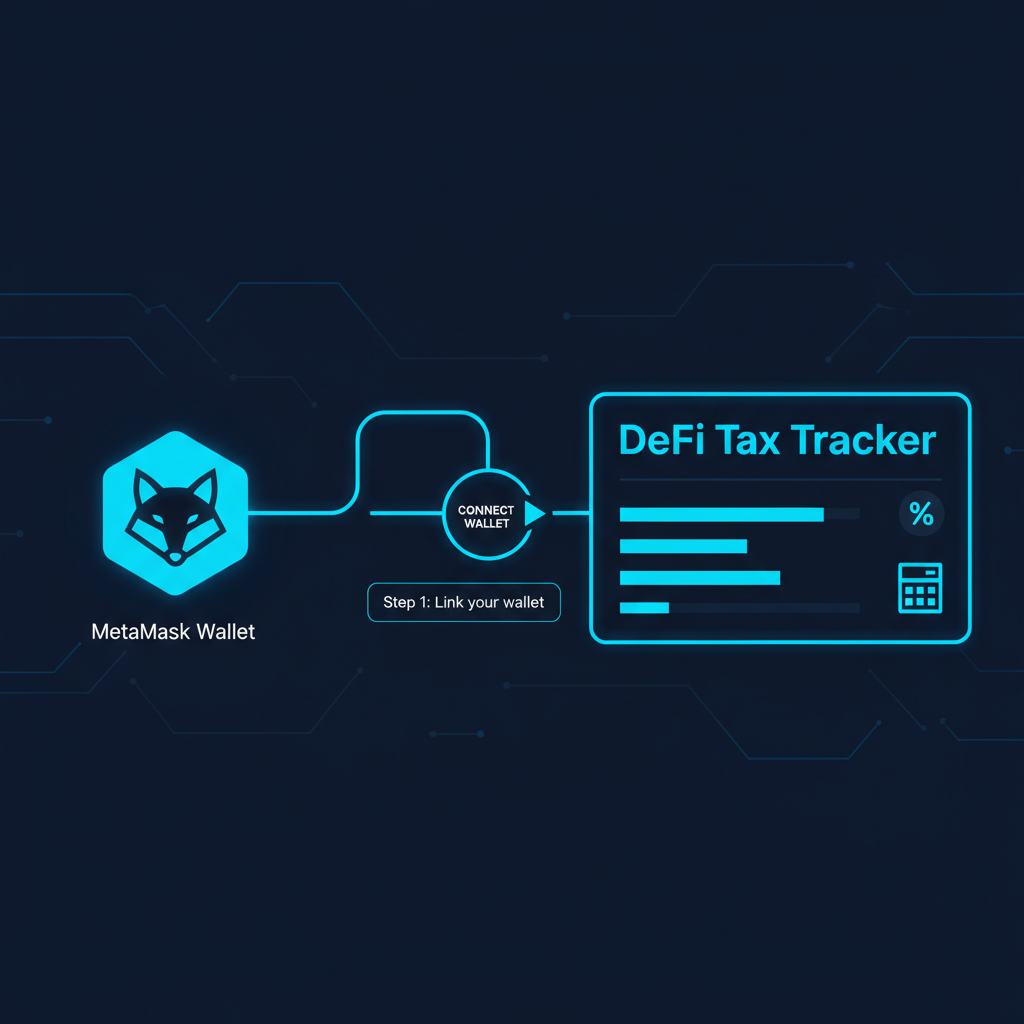
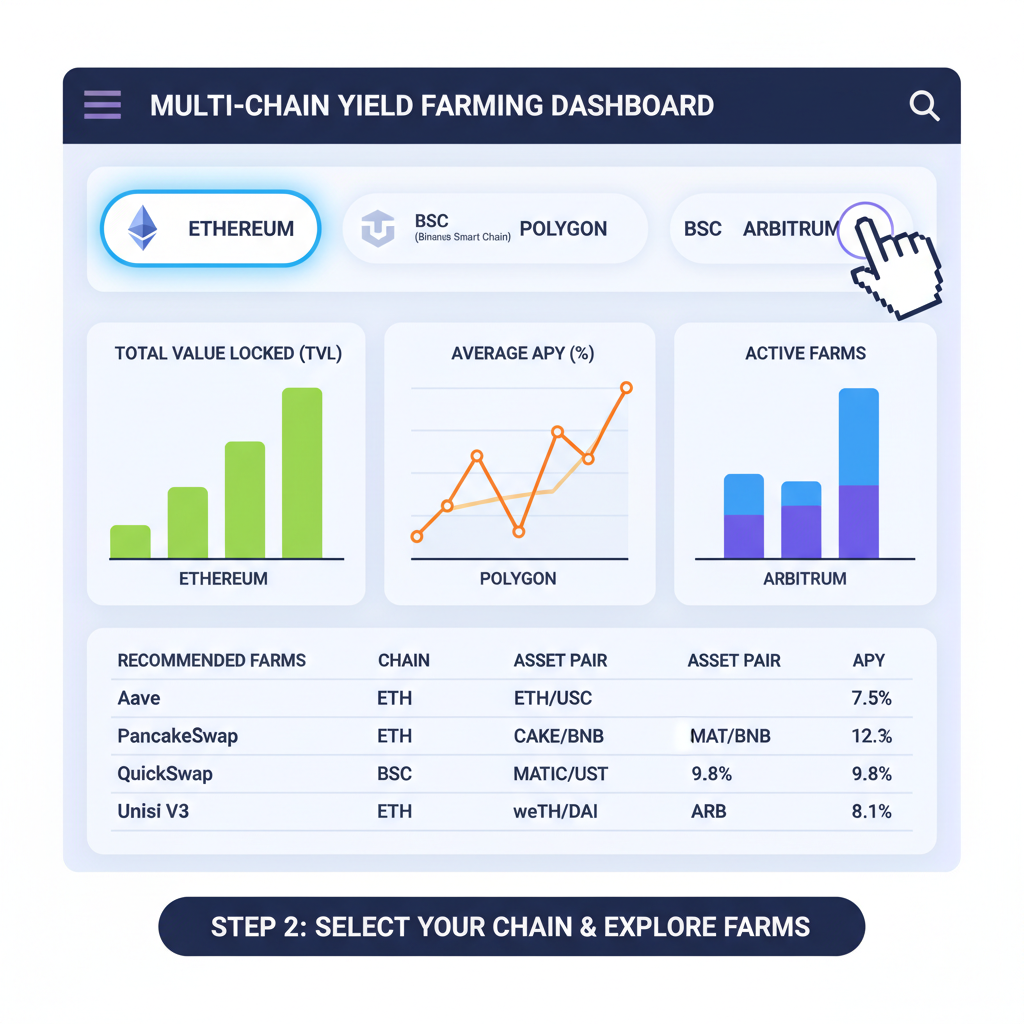
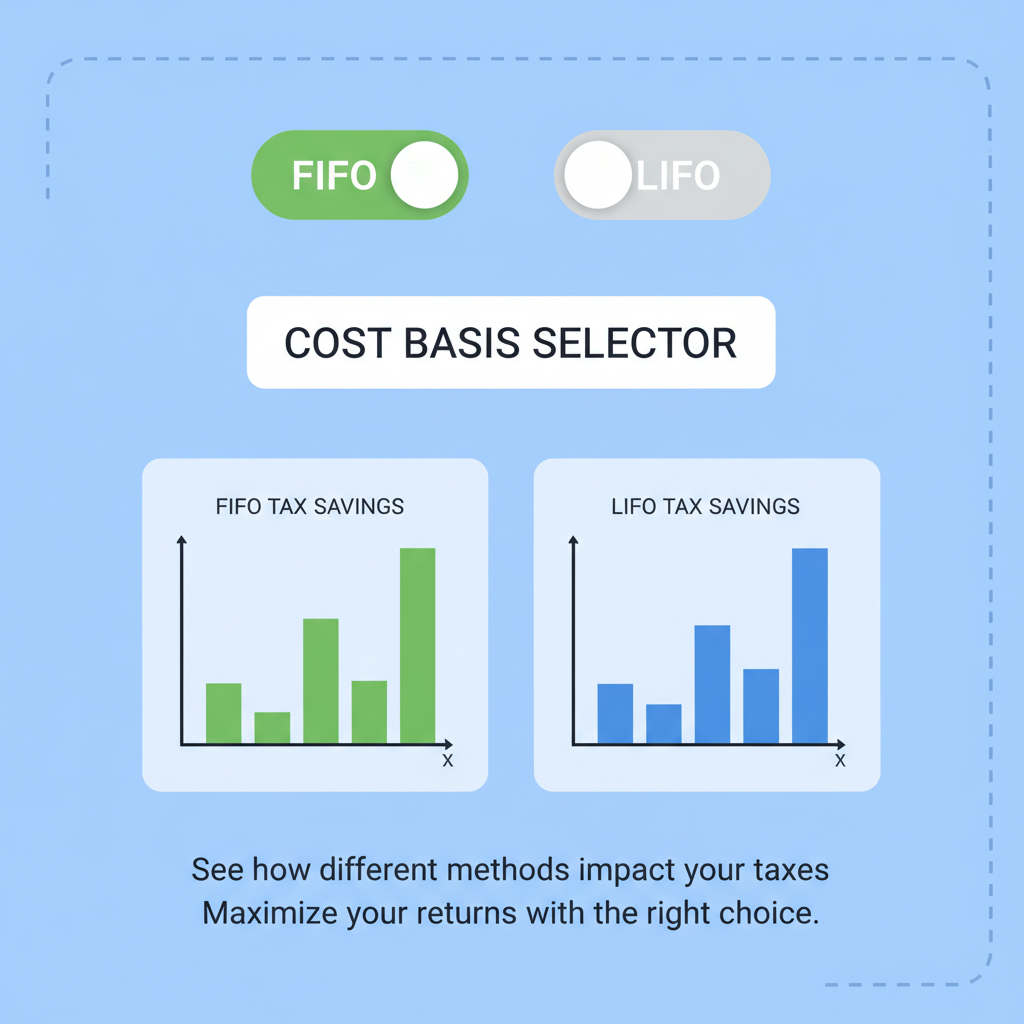
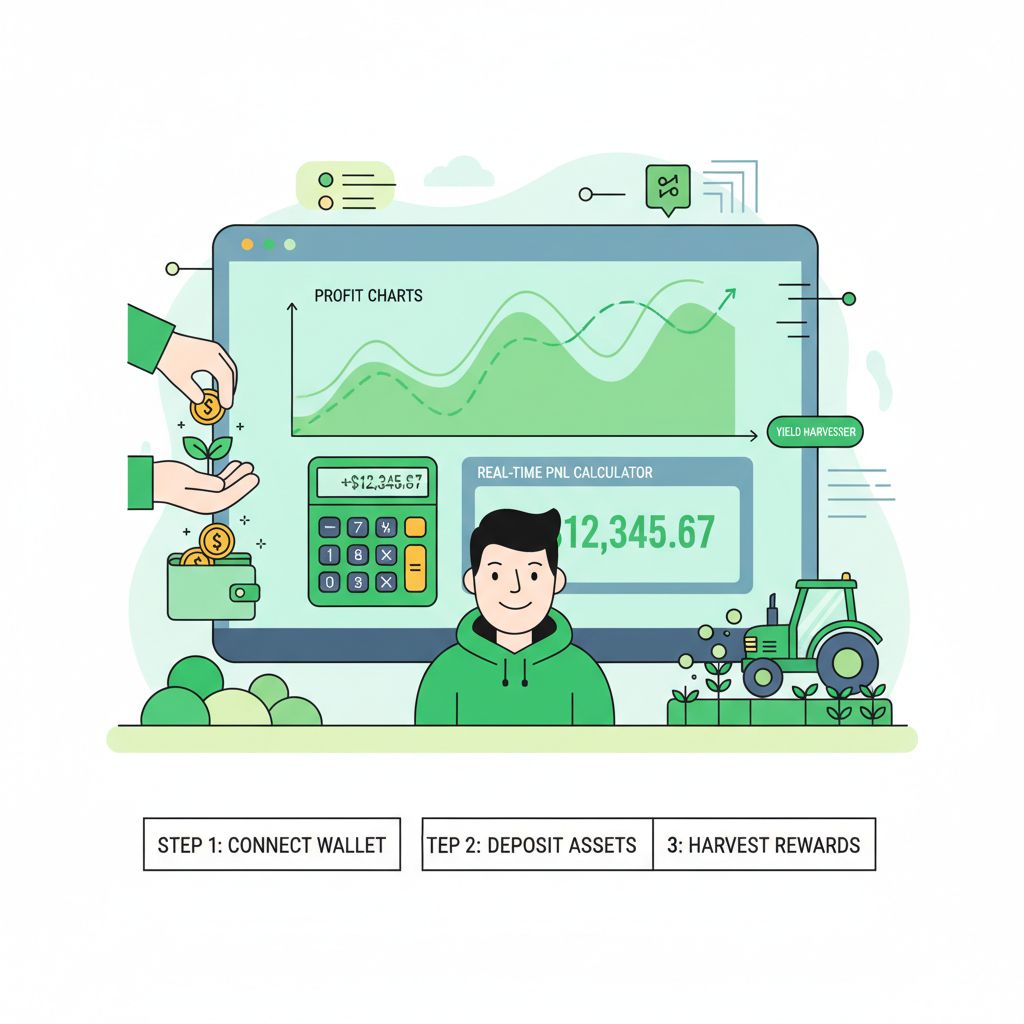
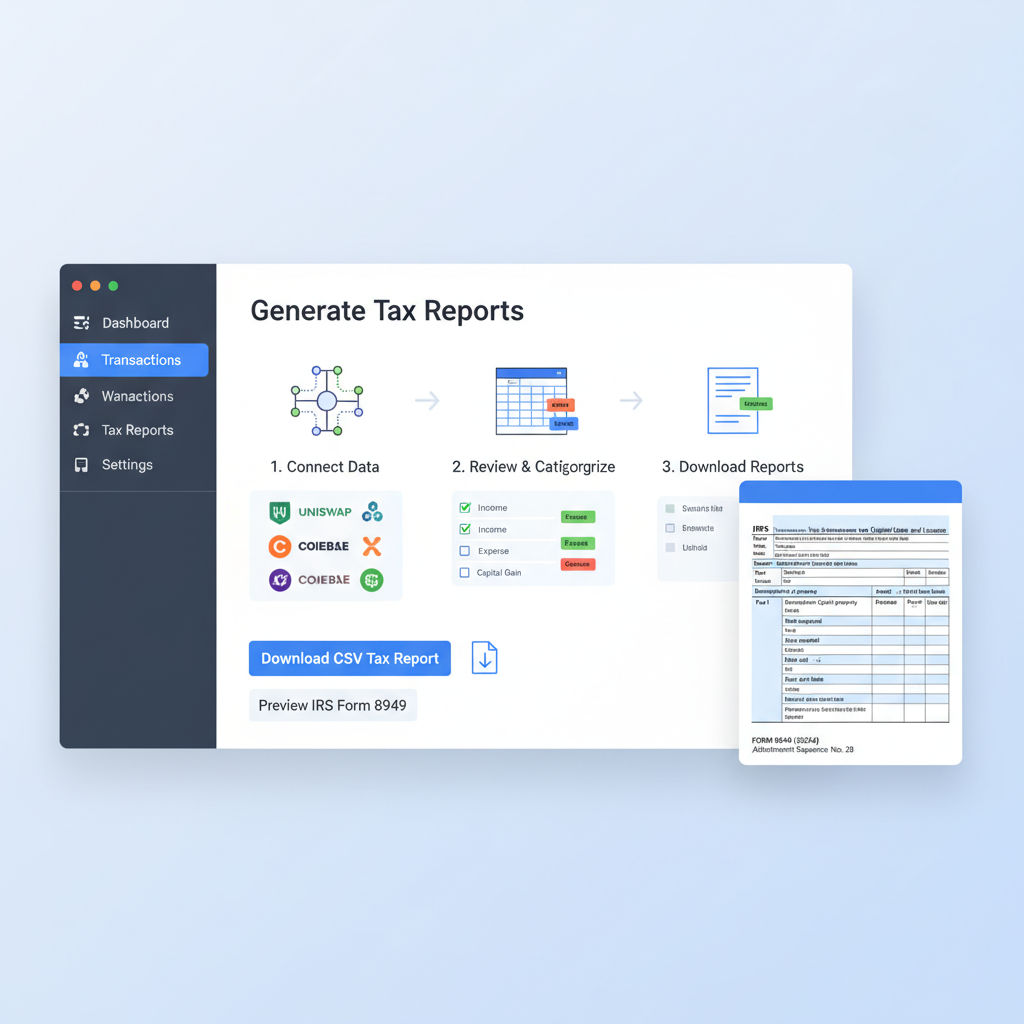
This workflow turned my weekly manual spreadsheets into 5-minute dashboards. Per FreedomTax, 80% of DeFi users botch lot matching; tools fix that, unlocking onchain PnL yield rewards alpha.

Pitfalls Exposed: Why DeFi Taxes Trip Up Even Pros
Impermanent loss? Taxed as disposal on rebalance. Airdrops? Income at claim. Compound rewards? Layered income events. Blockstats. app roasts legacy software for missing 7 DeFi killers: no MEV tracking, bungled flash swaps, ignored governance tokens. I've eaten 15% overtax from mislabeled Uniswap fees - lesson learned. 2026 IRS broker rules? DeFi wallets self-report or face 1099-K analogs via chain analysis firms like Chainalysis.
State taxes add grit: California's 13.3% top rate devours gains; Texas zero. Multi-state farmers? Apportion by residency. My hack: geo-tag txns in DefiTaxLots. com for nexus calcs.
Fortune favors the bold with data-backed entries. Arm your 2026 farms with onchain PnL trackers, wield LIFO like a weapon, and watch net yields explode. I've turned tax compliance into a competitive moat - you can too. Dive into DefiTaxLots. com, sync your wallet, and farm fearlessly.



No comments yet. Be the first to share your thoughts!