
Get your DeFi tax lots right
DeFi tax lots are the foundation of your 2026 compliance strategy. Without accurate cost basis data, you cannot distinguish between a short-term gain and a long-term holding. The IRS views every token swap, liquidity pool deposit, and staking reward as a taxable event. If your records are incomplete, the agency may apply the highest possible tax rate to your entire portfolio.
Start by gathering every transaction record from the past tax year. Centralized exchanges typically provide a CSV export or a Form 1099-DA, but DeFi protocols do not report to the IRS. You must rely on on-chain data. Use a reputable tax software that supports DeFi protocols to aggregate these transactions. Ensure the software correctly identifies your basis for each asset, including LP tokens and governance rewards.
Verify that your cost basis method is consistent. Most users should choose FIFO (First-In, First-Out) or Specific ID. FIFO is the default for many platforms and is generally accepted by the IRS, but Specific ID allows you to target high-cost lots for tax loss harvesting. Whichever method you choose, apply it uniformly across all your DeFi positions. Inconsistencies here are the most common cause of audit flags.
Finally, reconcile your wallet balances with your transaction history. If your software reports 10 ETH in staking rewards but your wallet shows a different balance, you have a gap. Investigate these discrepancies immediately. Missing data is not an excuse the IRS will accept. Clear, verified DeFi tax lots protect you from unnecessary penalties and overpayment.
Work through the steps
Optimizing tax lots in DeFi requires matching your on-chain actions with IRS reporting requirements. The 2026 landscape shifts away from protocol-level reporting toward user-side accountability. Your goal is to minimize immediate tax liability while maintaining accurate records for every swap, yield claim, or liquidity provision.
Start by identifying your acquisition method for each token. Whether you earned it through staking, liquidity mining, or an airdrop, the fair market value at the time of receipt establishes your cost basis. This number dictates your taxable gain when you eventually sell or swap.
1. Tag your initial cost basis
Record the USD value of the token at the exact second you received it. For staking rewards, use the price at the moment the tokens entered your wallet. For liquidity pool deposits, track the value of both assets provided. This data anchors your entire tax strategy.

Record the fair market value of tokens when they first enter your wallet. This establishes your cost basis for future gain calculations.
2. Choose a lot identification method
The IRS allows several methods for identifying which specific tokens you are selling. Most DeFi farmers use First-In, First-Out (FIFO) because it is simple and universally accepted. Under FIFO, the earliest acquired tokens are considered sold first. This often results in higher taxable gains if asset prices have risen significantly over time.
Consider Specific Identification if your tracking software supports it. This method lets you pick exactly which tokens to sell, allowing you to target lots with the highest cost basis to minimize capital gains. This requires meticulous record-keeping but offers greater control over your tax bill.
Decide between FIFO or Specific Identification. FIFO is standard; Specific ID requires detailed tracking but can lower your taxable gains.
3. Track impermanent loss and rebalancing
Liquidity providers face unique tax events when rebalancing positions. Each time you adjust your LP position, the IRS may view it as a sale of the underlying assets. Calculate the gain or loss on the withdrawn tokens before redepositing them. Failing to track these micro-transactions can lead to significant discrepancies in your final tax report.
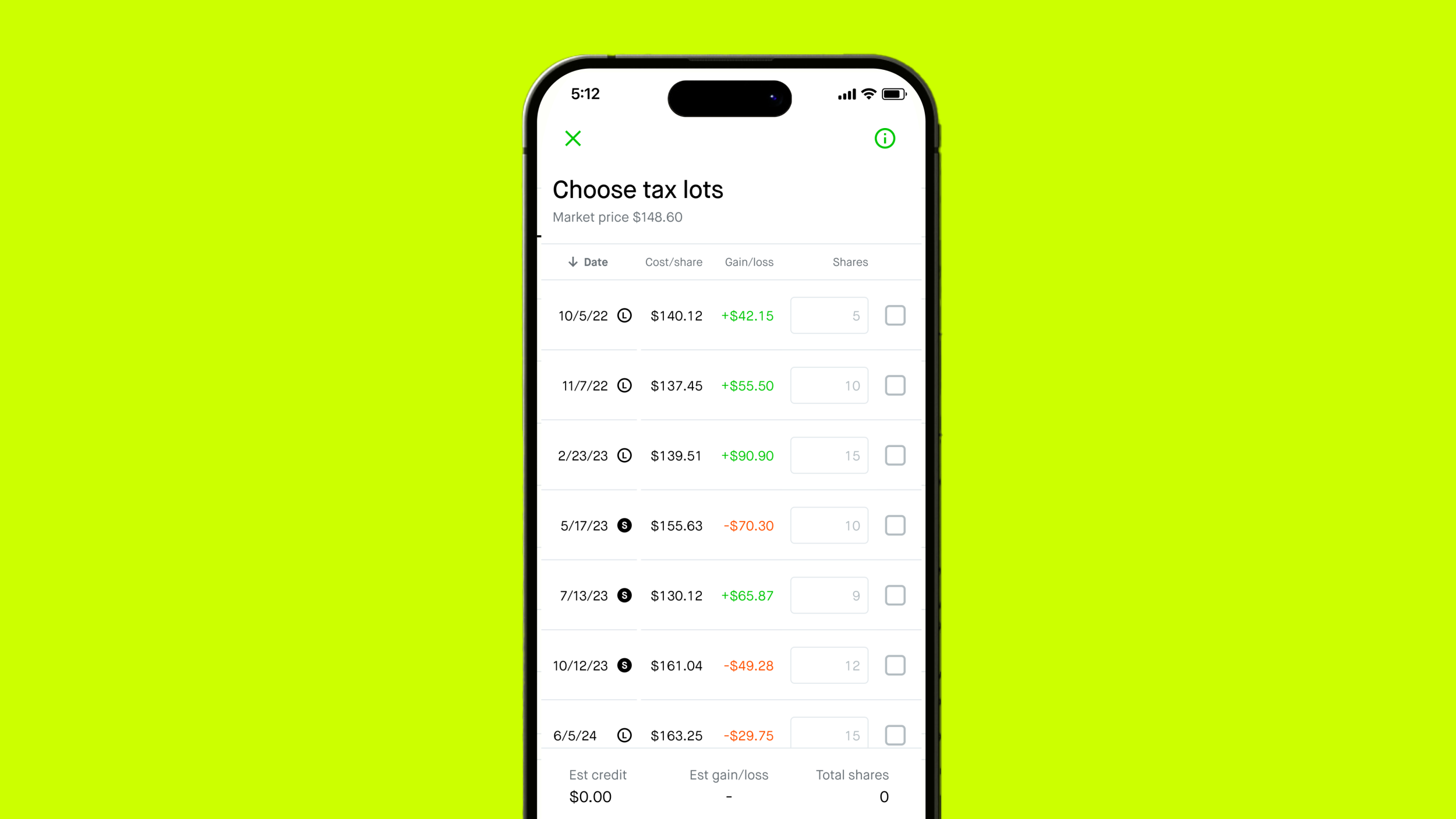
Rebalancing liquidity positions often triggers taxable events. Calculate gains on withdrawn assets before redepositing to maintain accurate records.
4. Harvest losses strategically
Tax-loss harvesting involves selling assets at a loss to offset gains elsewhere in your portfolio. In DeFi, this can be straightforward: swap your losing position for a stablecoin or a different asset. Ensure the new asset is not "substantially identical" to avoid wash sale rules, which currently do not apply to crypto but may change.
Use this strategy to reduce your net capital gains. If your losses exceed your gains, you can deduct up to $3,000 against ordinary income. Carry forward any remaining losses to future tax years. This is a critical tool for managing volatility in your DeFi yields.

Sell underperforming assets to offset gains. Up to $3,000 in net losses can offset ordinary income annually. Carry forward excess losses.
5. Reconcile with your tax software
Import your transaction history into a dedicated DeFi tax tool. Cross-reference the generated report with your exchange forms and on-chain data. Look for missing airdrops or unstaked rewards, which are common omissions. Verify that your cost basis calculations match your chosen lot identification method before filing.
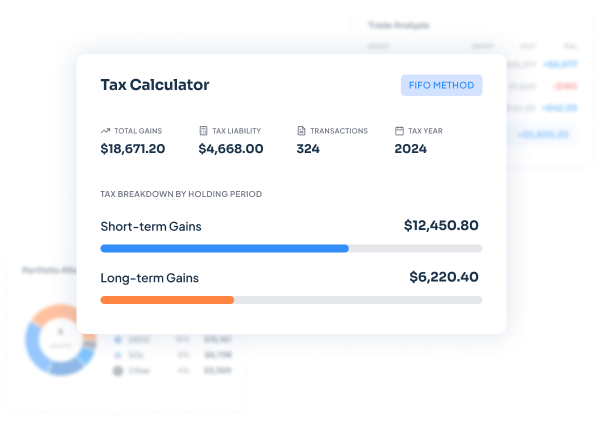
Import data into tax software. Verify cost basis calculations and check for missing airdrops or unstaked rewards before filing.
-
Record USD value at token receipt
-
Select FIFO or Specific ID method
-
Calculate gains on LP rebalancing
-
Harvest losses to offset gains
-
Reconcile report with tax software
Work through Optimize Tax Lots
No comments yet. Be the first to share your thoughts!