
Why hardware wallets matter for tax lots
Self-custody is no longer just about security; it is a tax compliance necessity. When you interact with decentralized finance protocols, you are not merely moving funds—you are generating a complex trail of taxable events. Every swap, liquidity provision, and yield claim triggers a cost basis calculation that must be accurate to avoid audits or penalties. This is where hardware wallets intersect with your bottom line.
The IRS treats digital assets as property, not currency. This classification, established in Notice 2014-21, means that every disposal of an asset is a taxable event. Whether you are swapping tokens on a decentralized exchange or harvesting yields from a lending pool, you must track the specific units being sold or exchanged. Without precise record-keeping, determining your gain or loss becomes nearly impossible.
A hardware wallet acts as the secure anchor for this process. By keeping your private keys offline, it ensures that the transactions you sign are exactly what you intended. More importantly, it provides the immutable transaction history required to map each DeFi interaction to a specific tax lot. When you later sell or trade, you can trace the asset back to its original purchase price, ensuring your tax lots are calculated correctly.
Without this level of visibility, you risk filing inaccurate returns. DeFi activities like yield farming often involve multiple layers of transactions that are easy to miss. A hardware wallet, combined with proper tracking software, gives you the clarity needed to manage these lots effectively. It transforms a chaotic stream of on-chain activity into a structured, audit-ready financial record.
Top hardware wallets for DeFi tracking
Tracking DeFi tax lots requires more than just storing tokens; it requires capturing the complex transaction history generated by decentralized exchanges, liquidity pools, and yield farming protocols. A hardware wallet serves as the secure foundation for this data, ensuring your private keys remain offline while you export transaction logs for tax software.
When selecting a device for DeFi, prioritize models that support the specific protocols you use. Not all wallets support the same smart contract interactions or DeFi apps. The best options for this workflow offer robust app store ecosystems and reliable CSV export capabilities, which are essential for calculating cost basis on thousands of DeFi transactions.
Ledger Nano X
The Ledger Nano X is a leading choice for DeFi users due to its Bluetooth connectivity and extensive app support. It allows you to manage tokens from multiple blockchains simultaneously, which is common in DeFi strategies that span Ethereum, Solana, and Polygon. The device supports the Ledger Live application, which provides a clean interface for viewing transactions and exporting data.
For tax purposes, the Ledger Live app allows you to export transaction history in CSV format. This data can be imported into major crypto tax software to help identify specific DeFi tax lots. The device's security model uses a secure element chip, ensuring that your private keys never leave the device during signing.
Trezor Model T
The Trezor Model T offers a touchscreen interface and open-source firmware, providing transparency for security-conscious users. It supports a wide range of DeFi protocols and allows you to sign transactions directly through the Trezor Suite. The device is particularly strong for users who interact with Ethereum-based DeFi applications regularly.
The Trezor Suite includes a transaction export feature that generates CSV files compatible with most tax calculation tools. This helps simplify the process of tracking DeFi tax lots by providing a clear record of every swap, stake, or liquidity provision event. The device also supports passphrase protection, adding an extra layer of security for your assets.
KeepKey
KeepKey focuses on simplicity and security with a large screen that displays transaction details clearly before signing. This is valuable for DeFi users who need to verify complex smart contract interactions. The device supports Bitcoin, Ethereum, and several other major cryptocurrencies, making it suitable for diverse portfolios.
While KeepKey has a more limited app ecosystem compared to Ledger or Trezor, it still supports the core DeFi protocols needed for most tax reporting. The device allows you to export transaction history, which can be used to calculate DeFi tax lots. Its straightforward design makes it a reliable option for users who prefer a no-frills approach to crypto security.



As an Amazon Associate, we may earn from qualifying purchases.
Feature comparison for DeFi tax tracking
The table below compares key features of the top hardware wallets for DeFi tax lot tracking. Consider your specific protocol needs and export requirements when choosing.
| Device | Connectivity | DeFi App Support | Export Format | Security Feature |
|---|---|---|---|---|
| Ledger Nano X | Bluetooth / USB | Extensive (Ledger Live) | CSV | Secure Element |
| Trezor Model T | USB-C | Extensive (Trezor Suite) | CSV | Open-source firmware |
| KeepKey | USB | Moderate | CSV | PIN protection |
Connect your hardware wallet to tax software
The bridge between cold storage and accurate tax reporting is the transaction history export. Because hardware wallets like Ledger and Trezor isolate private keys, they do not automatically push data to tax platforms. You must manually bridge the gap by exporting a raw transaction log and importing it into a calculation engine that understands DeFi tax lots.
This workflow ensures that every swap, yield farm entry, and liquidity pool exit is captured with the correct date, cost basis, and fair market value. Without this step, your DeFi tax lots remain invisible, leading to underreported income or incorrect capital gains calculations.
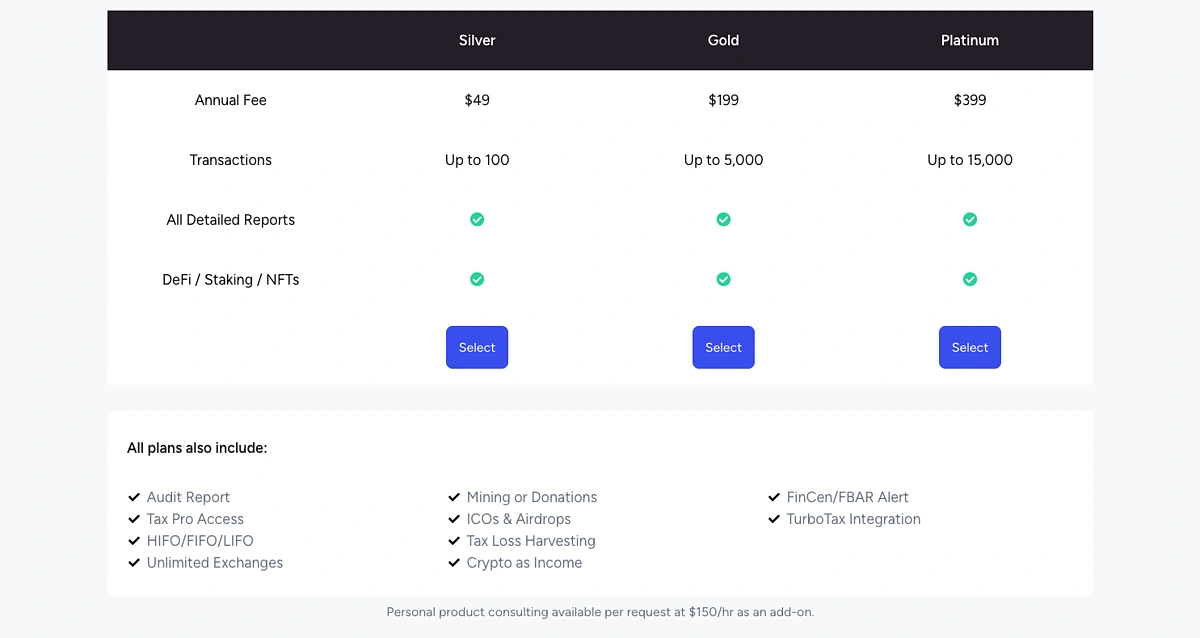
Connect your hardware wallet to its companion app (Ledger Live or Trezor Suite) on a desktop browser. Navigate to the transaction history or activity tab for the specific wallet address you use for DeFi. Look for an "Export" or "Download" option to generate a CSV or JSON file. This file contains the raw block data needed to reconstruct your DeFi tax lots.
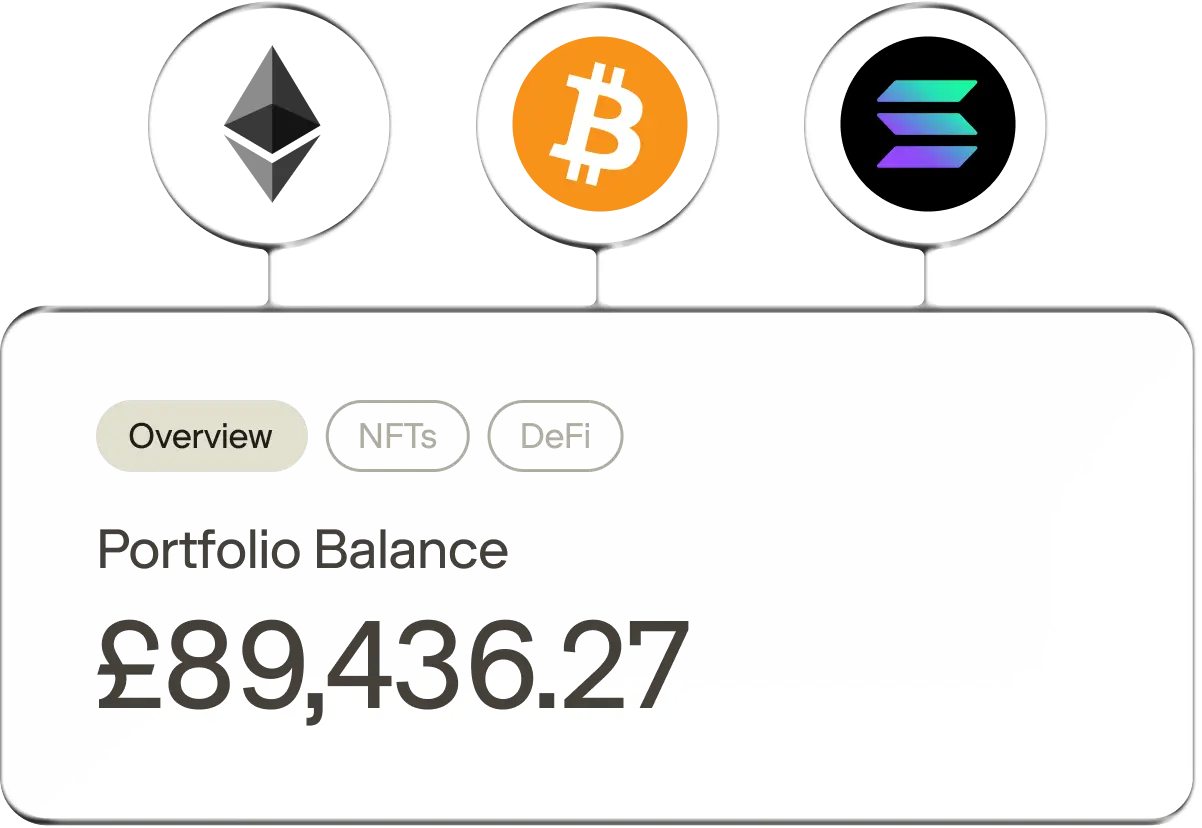
Upload the exported file to a tax software provider that supports complex DeFi protocols. Platforms like Koinly, CoinTracker, or TokenTax can parse raw CSVs to identify token swaps, staking rewards, and liquidity provider actions. Ensure the software is configured to recognize the specific blockchain network (e.g., Ethereum, Polygon, Arbitrum) where your assets reside.
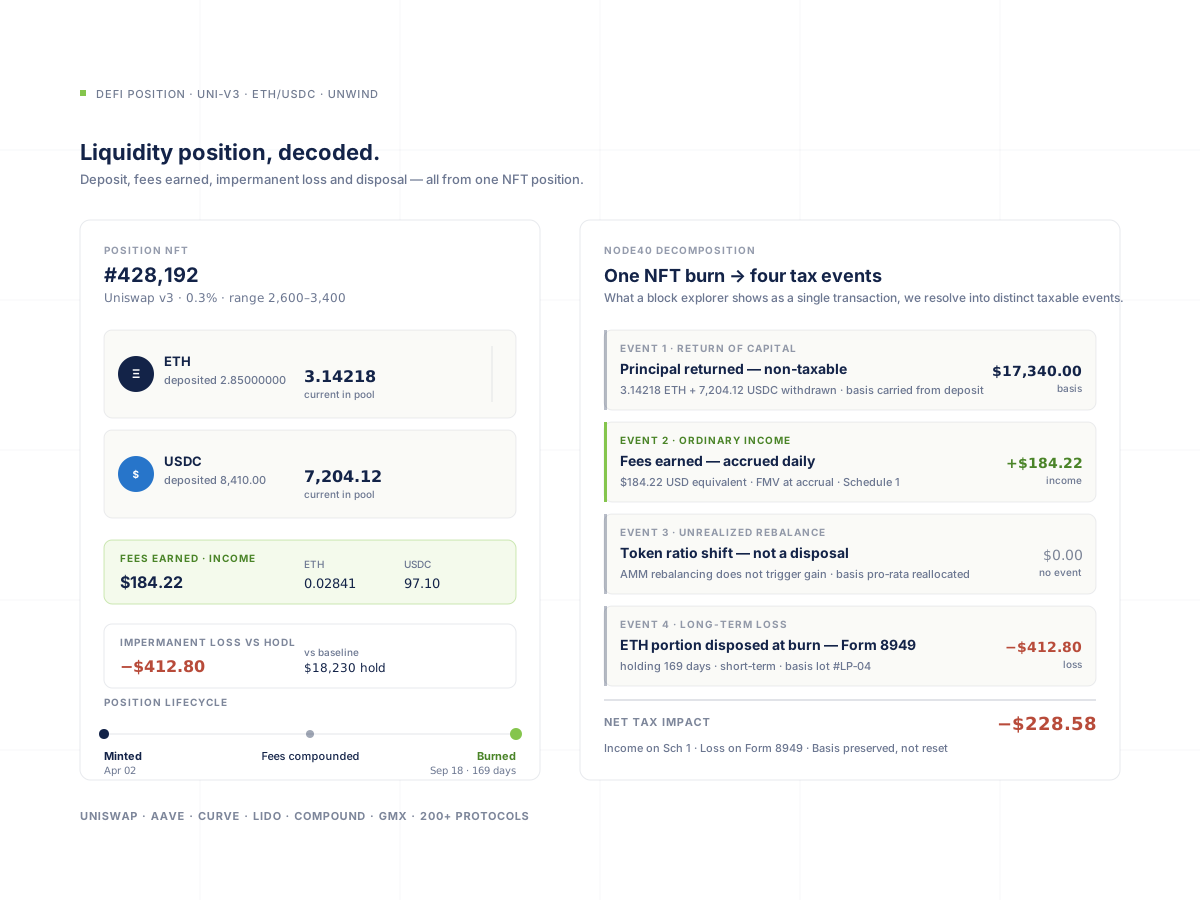
Review the imported transactions to confirm that each disposal is linked to the correct acquisition lot. DeFi activities like providing liquidity often involve multiple token pairs; the software must correctly identify which tokens were sold and at what fair market value. Cross-reference a sample of trades against your blockchain explorer (like Etherscan) to verify accuracy.
Once the data is imported, the software calculates your gains and losses based on the IRS definition of property. As noted in IRS Notice 2014-21, every disposal of a digital asset is a taxable event. This includes swapping tokens on a decentralized exchange or claiming staking rewards. The software will aggregate these into a summary report that you can attach to your tax return.
For a complete list of compatible tools, see our comparison of the best DeFi tax software.
Common DeFi tax lot mistakes to avoid
Tracking DeFi tax lots requires precision because the blockchain records every interaction, but it does not label them for IRS compliance. The most frequent error involves impermanent loss (IL). When you provide liquidity to a pool, the underlying tokens shift in value. Many wallets incorrectly calculate IL as a taxable event at the moment the imbalance occurs. In reality, the IRS treats this as a non-event until you withdraw your assets and dispose of the tokens. Reporting IL as income or capital gains prematurely creates phantom tax liabilities that are difficult to correct later.
Yield farming rewards present a different set of pitfalls. Staking rewards, liquidity mining incentives, and airdrops are classified as ordinary income, not capital gains. The taxable value is the fair market value of the tokens at the exact moment you receive them. A common mistake is ignoring these rewards because they were never "sold." Each reward creates a new tax lot with its own cost basis and acquisition date. If you farm across multiple protocols, failing to log these daily or weekly distributions will result in an incomplete cost basis, leading to inflated capital gains calculations when you eventually exit.
Another critical error is mixing up the cost basis method. DeFi transactions often involve complex swaps that can be interpreted as multiple trades. If you do not consistently apply a specific accounting method, such as First-In, First-Out (FIFO), your tax lots will be inconsistent. IRS Notice 2014-21 clarifies that crypto is property, meaning every disposal is a taxable event. You must distinguish between capital gains from swaps and ordinary income from yields. Using a specialized wallet tracker that maps these distinct events to specific tax lots is essential for accurate reporting.
Frequently asked questions about DeFi tax lots
What are DeFi taxes?
DeFi taxes depend on the transaction type. Swaps and liquidity pool exits trigger capital gains, while yield farming, staking rewards, and airdrops generate ordinary income. The IRS applies Notice 2014-21 to DeFi, treating crypto as property where every disposal is a taxable event IRS.
What are crypto tax lots?
Tax lots define the date, transaction size, and cost basis of a purchase or sale of an asset. Multiple purchases of the same asset generate distinct tax lots, and each tax lot has its own cost basis CoinTracker. Tracking these individually is essential for accurate reporting.
What is the IRS DeFi rule?
The DeFi Broker Rule, which required self-custodial digital asset wallet providers and other developers of noncustodial software to submit information reports to the IRS, was finalized at the end of 2024. This shifts compliance burdens toward software developers rather than individual users.
Is it better to sell in tax lots?
Yes. Selling specific tax lots allows you to manage your taxable income. You can choose to sell lots with lower cost bases to minimize gains, or use specific identification to offset gains with losses from other lots. Always document which lots you are selling.
No comments yet. Be the first to share your thoughts!