
The 2026 reporting landscape
The era of self-reported crypto taxes is ending. For the 2026 tax year, the IRS is rolling out Form 1099-DA, a comprehensive reporting requirement that fundamentally changes how digital asset transactions are tracked and audited. This is not a minor administrative update; it is a structural shift that closes the anonymity gap between decentralized finance (DeFi) activity and federal tax authorities.
Under the new rules, brokers and exchanges are required to report both the gross proceeds and the cost basis for covered digital assets. This means the IRS will receive a direct copy of your trading activity from major platforms like Coinbase and Kraken. The data is granular, capturing transactions across multiple chains and wallets where intermediaries are involved. For yield farmers, this creates an immediate compliance hurdle: your cost basis must be accurate, or you will face discrepancies that trigger audits.
Note: The transition from exchange-only reporting to full wallet-level basis tracking under the new 1099-DA rules means that manual tracking via spreadsheets is no longer viable for active traders. The volume of data and the complexity of DeFi yields require automated, verified cost basis methodologies.
The stakes are particularly high for DeFi participants. Unlike traditional equity markets, DeFi involves frequent token swaps, liquidity provision, and yield farming rewards that generate dozens of taxable events per month. With the IRS now receiving direct data on these transactions, the margin for error has effectively vanished. Investors who previously relied on the "don't ask, don't tell" approach of early crypto adoption now face a landscape where every transaction is potentially verifiable.
This shift demands a proactive approach to tax lot identification. Strategies like First-In, First-Out (FIFO) or Specific Identification must be applied consistently and documented rigorously. Failure to do so does not just risk underpayment penalties; it risks exposing your entire portfolio to scrutiny when the reported cost basis does not match the IRS's records.
Cost basis methods compared
When the IRS treats cryptocurrency as property, every swap, deposit, or withdrawal triggers a taxable event. How you calculate the cost basis of that specific asset determines your tax liability. For yield farmers moving assets across wallets and protocols, the accounting method you choose is not just a bookkeeping preference—it is a strategic lever that impacts cash flow and tax deferral.
The three primary methods—FIFO, LIFO, and Specific ID—handle asset identification differently. While the IRS requires consistency once a method is selected, DeFi’s complexity often pushes traders toward Specific ID. However, the administrative burden of tracking individual tokens across multiple chains can be prohibitive. Understanding the trade-offs between these approaches helps you align your strategy with both your technical capabilities and tax goals.
| Method | Tax Impact | Complexity | DeFi Suitability |
|---|---|---|---|
| FIFO | Highest current-year gains in bull markets; oldest assets sold first | Low; automatic in most tax software | Best for simple, long-term holds |
| LIFO | Lower current-year gains if prices are rising; newest assets sold first | Medium; requires strict lot tracking | Useful for high-frequency yield farming |
| Specific ID | Maximum flexibility; choose lots to minimize or maximize gains | High; requires detailed transaction tagging | Ideal for complex DeFi strategies and rebalancing |
First-In, First-Out (FIFO) is the default method for most jurisdictions and tax software. It assumes the earliest acquired tokens are the first ones sold or swapped. In a rising market, this results in lower cost basis figures and higher capital gains. While FIFO is the easiest to automate, it offers no strategic advantage for DeFi users who frequently rebalance positions.
Last-In, First-Out (LIFO) assumes the most recently acquired tokens are disposed of first. This method can reduce taxable gains in bull markets by matching high-cost recent purchases against sale proceeds. However, LIFO requires meticulous tracking of new lots, which can be challenging when interacting with automated liquidity pools or staking contracts that generate fractional rewards.
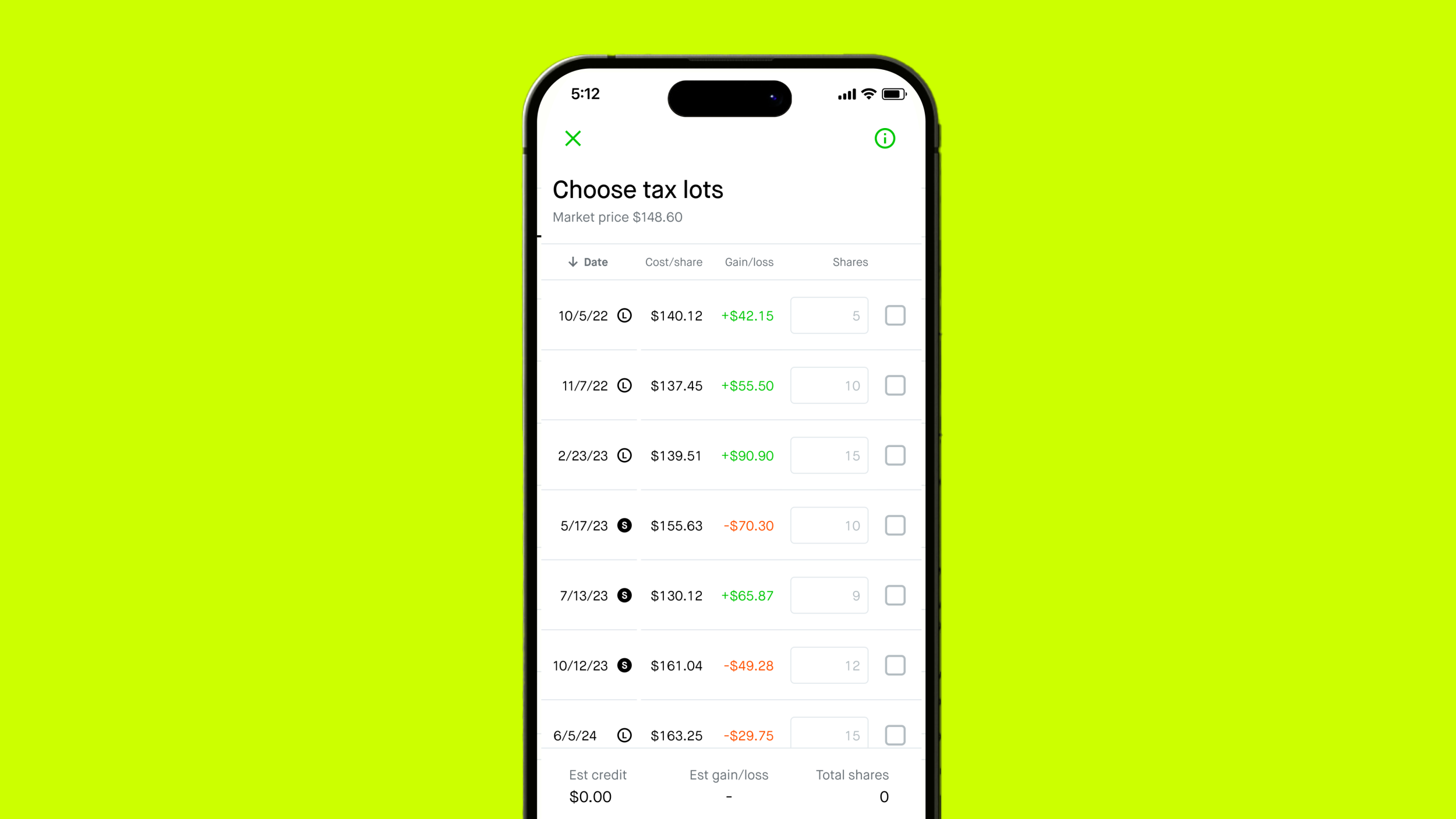
Specific Identification allows you to select exactly which tokens are being sold from your available lots. This method offers the highest level of control, enabling you to harvest losses or defer gains strategically. For DeFi users, Specific ID is often the most powerful tool, but it demands robust tracking software capable of identifying tokens by transaction hash or unique identifier across multiple chains.
Automated tracking tools
Manual spreadsheet tracking collapses under the weight of DeFi. A single liquidity provision event can generate dozens of sub-transactions, including liquidity provision, reward claims, and impermanent loss adjustments. Tax software bridges this gap by connecting directly to wallet addresses and decentralized exchanges to aggregate activity across chains.
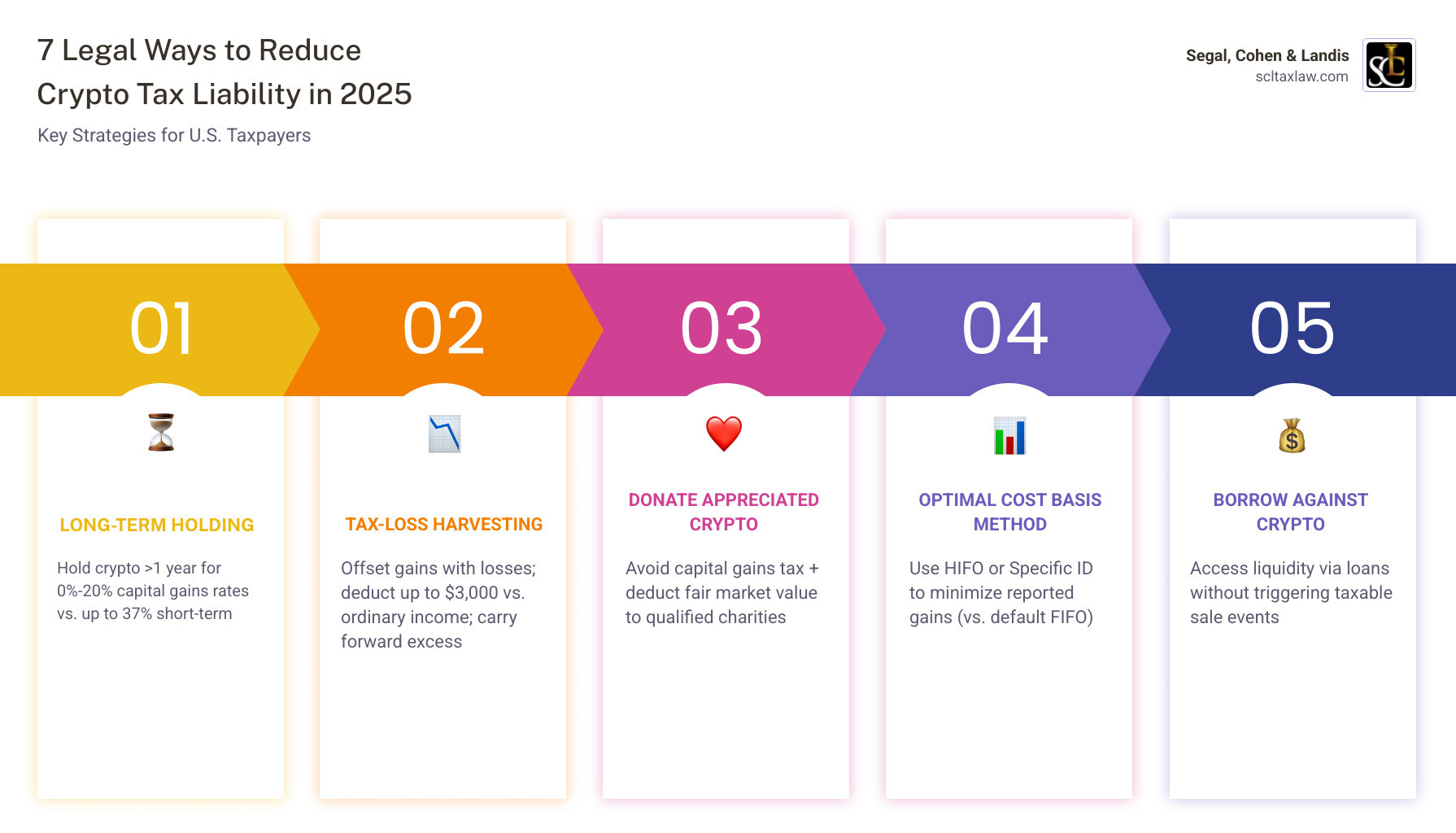
The primary value proposition of these tools is automated lot identification. When you sell a position, the software must determine which specific tokens you sold to calculate the correct cost basis. Advanced platforms support specific accounting methods like FIFO (First-In, First-Out) or HIFO (Highest-In, First-Out), ensuring you apply the most tax-efficient strategy to your yield farming gains.
For the 2026 tax year, the stakes are higher due to Form 1099-DA reporting requirements. Brokers and centralized exchanges now report gross proceeds and cost basis to the IRS. Your DeFi tracking tool must reconcile on-chain activity with these off-chain reports to prevent discrepancies that trigger audits.
The best tools handle high-frequency transactions without lag. They parse complex smart contract interactions, such as staking rewards or airdrops, and classify them correctly as income or capital gains. This automation reduces the risk of human error, which is the most common cause of underreported crypto income.
When selecting a platform, prioritize those with active development teams and clear support for the latest DeFi protocols. The landscape changes rapidly, and outdated software may miss new token standards or exchange integrations. A robust tool updates its database frequently to capture new yield farming opportunities and their associated tax implications.
| Feature | Basic Tools | Advanced DeFi Tools |
|---|---|---|
| Multi-chain support | Limited (1-2 chains) | Full (EVM, Solana, L2s) |
| Lot identification | Manual FIFO only | Automated HIFO/FIFO/LCFO |
| DeFi protocol support | Generic token swaps | Pools, staking, airdrops |
| Tax form generation | Standard 1099 | Schedule D, Form 8949 |
Yield farming tax events
Yield farming transforms simple token swaps into a complex web of taxable events. Every interaction with a smart contract—depositing liquidity, collecting rewards, or removing assets—can trigger a capital gains calculation. For 2026, the introduction of Form 1099-DA means brokers must report gross proceeds and cost basis for assets acquired after January 1, 2025. This shift eliminates the ability to hide farming activity in the shadows of decentralized exchanges.
Liquidity provision is not merely a holding strategy; it is an active disposal event. When you deposit tokens into a liquidity pool, you are effectively selling those tokens to the pool in exchange for LP tokens. This creates a taxable event based on the fair market value at the time of deposit. Managing these lots requires precise tracking, as the cost basis of your original assets is transferred to the LP position, which then fluctuates with pool dynamics.
Rewards earned from farming protocols are treated as ordinary income at their fair market value upon receipt. Whether you receive new governance tokens or a share of trading fees, the value at the moment you can claim or compound them is taxable income. This income establishes a new cost basis for those reward tokens. When you later sell them, you calculate capital gains or losses based on that initial income value, not the original deposit value.
Imperman loss adjustments further complicate tax lot management. While impermanent loss itself is not a direct taxable event, the underlying rebalancing of positions in volatile markets creates multiple disposal and acquisition events. Each rebalance may trigger a taxable swap, altering your cost basis for the remaining holdings. Without automated tracking, these micro-transactions become nearly impossible to reconcile accurately.
Compliance checklist
The 2026 tax season introduces Form 1099-DA, a new reporting requirement that forces the IRS to receive direct copies of your trading activity from major brokers. This shift removes the ambiguity of previous years. If your DeFi tax lots are not properly tracked, you risk discrepancies that trigger audits or result in overpaying taxes on unrealized gains. You need a rigorous system to reconcile your on-chain activity with these new broker reports.

Download your Form 1099-DA from centralized exchanges and cross-reference it against your DeFi wallet history. Focus on cost basis calculations for assets acquired after January 1, 2025. Discrepancies here are the most common source of IRS flags.
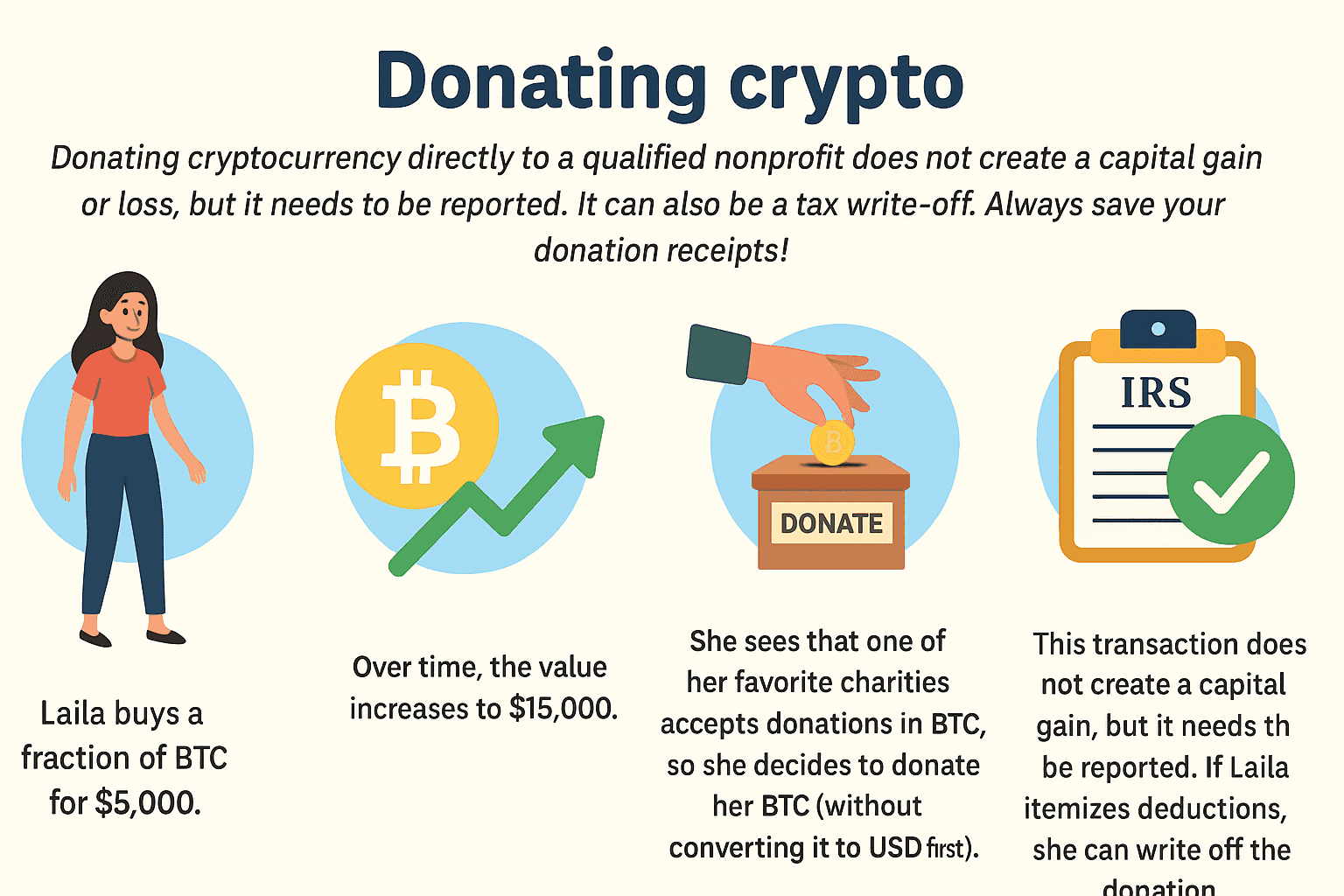
Free tokens from airdrops or blockchain forks are taxable income at the moment of receipt. Many investors fail to report these because they did not actively acquire them. Record the fair market value of every airdrop token on the day you received it.
Yield farming often involves complex token swaps and liquidity provision. Use a dedicated tax software that supports DeFi protocols to calculate your cost basis accurately. Ensure your software distinguishes between liquidity provision rewards and trading fees.
While the IRS wash sale rule does not currently apply to cryptocurrency because it treats virtual currencies as property rather than securities, this could change. Keep detailed records of all sales and repurchases. If regulations shift, your historical data will protect you from double taxation or disallowed losses.
Common defi tax: what to check next
The 2026 tax landscape is shifting under new reporting standards. Form 1099-DA now requires brokers like Coinbase and Kraken to report both gross proceeds and cost basis for assets acquired after January 1, 2025. This means your on-chain activity is no longer invisible to the IRS Guardarian.
Another frequent concern involves the wash sale rule. Currently, the IRS treats virtual currencies as property, not securities. This distinction means the wash sale rule does not apply to cryptocurrency, allowing you to claim losses even if you repurchase the same asset within 30 days TokenTax.
No comments yet. Be the first to share your thoughts!