
Why DeFi tax lots 2026 tracking matters now
The regulatory landscape for decentralized finance has shifted permanently. While the IRS ultimately repealed the broad "broker" definition that would have forced DeFi protocols to report directly on users, the obligation to track cost basis has not vanished. Instead, it has moved squarely onto the wallet holder. Starting with 2026 transactions, the new Form 1099-DA requires full cost basis reporting for covered digital assets, meaning you must prove your original investment to calculate accurate gains or losses.
This change eliminates the "wild west" era of DeFi tax compliance. Previously, many users relied on the fact that exchanges didn't track basis for on-chain swaps. Now, the IRS receives a copy of every 1099-DA filed by covered intermediaries, and if your wallet is flagged or audited, you must produce the underlying lot data to match those reports. Without precise lot tracking, you cannot distinguish between long-term and short-term holdings, nor can you accurately offset gains with losses.
Manual tracking is no longer viable for active DeFi users. The volume of transactions—swaps, liquidity provision, yield farming, and bridging—creates thousands of data points that are impossible to reconcile by hand. A single missed lot can inflate your taxable income significantly or trigger an audit for underreporting. You must treat every on-chain swap as a taxable event and maintain a rigorous, automated record of your cost basis to ensure compliance with the 2026 reporting standards.
Connect wallets to an automated tracker
The first actionable step in tracking DeFi tax lots is selecting software capable of ingesting on-chain data from EVM and Solana environments. Manual tracking is insufficient for the volume of transactions generated by liquidity pools, staking rewards, and cross-chain bridges. Automated trackers reduce the risk of calculation errors that trigger IRS scrutiny.
Select a platform that explicitly supports the protocols you use. The software must parse smart contract interactions to identify cost basis events accurately. If a tool cannot ingest data from your specific liquidity pool or staking contract, it will fail to calculate your tax liability correctly.
Once selected, connect your wallet address to the tracker. This allows the software to pull your complete transaction history directly from the blockchain. Verify that the sync completes fully before proceeding. Incomplete data ingestion leads to missing cost basis records, which the IRS may interpret as unreported income.

Select a platform that supports your specific DeFi protocols, including liquidity pools and staking contracts on EVM or Solana networks. Manual tracking is insufficient for high-frequency DeFi activity.
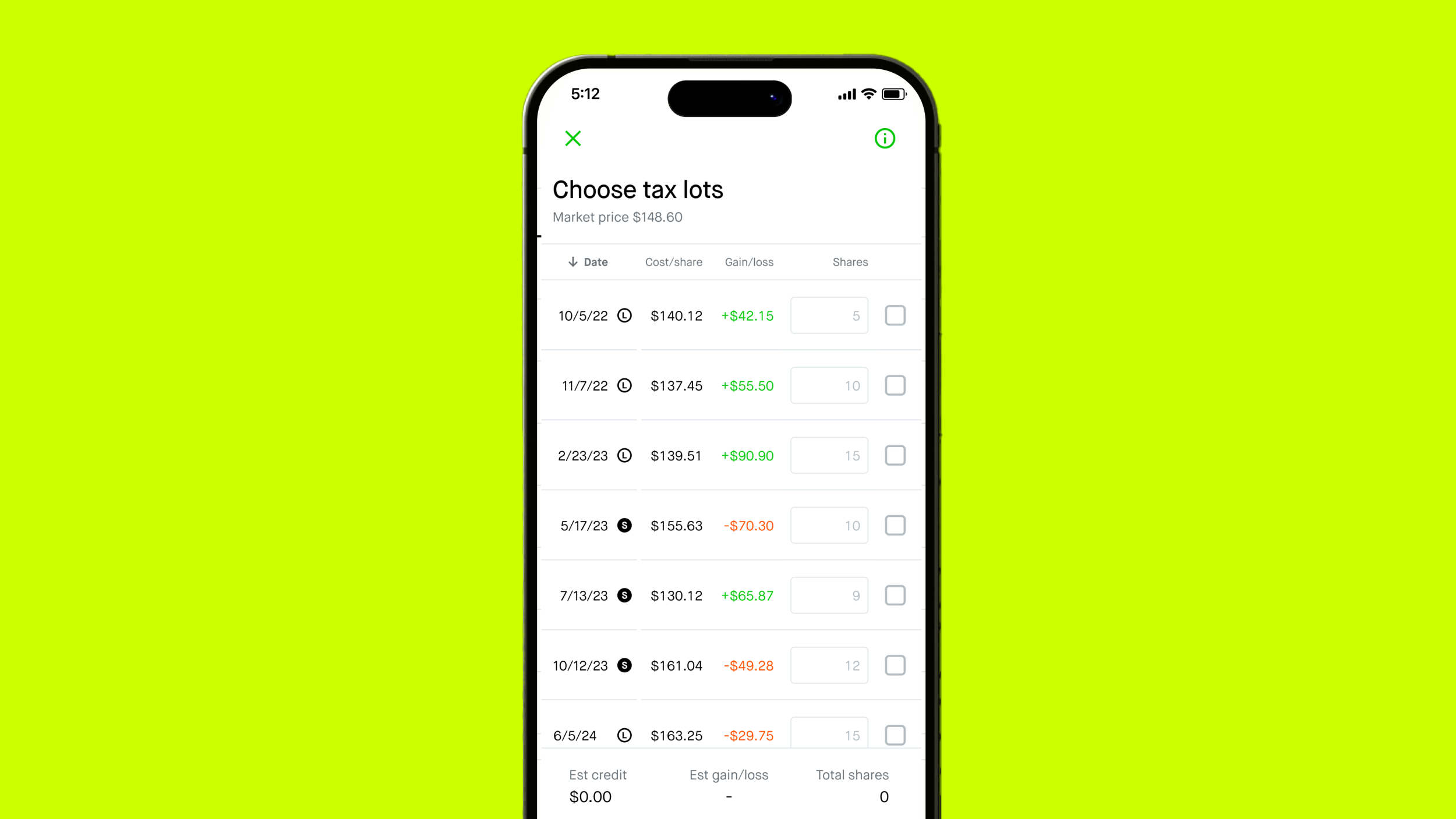
Authorize the software to ingest your transaction history by linking your wallet address. This pulls on-chain data directly from the blockchain to ensure no transactions are missed.

Wait for the initial sync to complete and verify that all relevant transactions are recorded. Incomplete data ingestion leads to missing cost basis records, which the IRS may interpret as unreported income.
Assign cost basis methods to your lots
The IRS treats virtual currency as property, not currency. This classification means every sale, trade, or exchange of DeFi tokens triggers a taxable event. To calculate the gain or loss accurately, you must assign a specific cost basis method to each lot of tokens you acquire. Without a consistent method, your tax reporting becomes ambiguous and vulnerable to audit.
You must choose one of three primary methods and apply it consistently across all your DeFi transactions for the tax year.
FIFO (First-In, First-Out)
Under the FIFO method, the tokens you acquired earliest are considered the first ones sold or traded away. This is the default method required by the IRS if you do not specify another method on your tax return. For active DeFi traders, FIFO often results in higher short-term capital gains because older, lower-cost tokens are disposed of first. While simple to track, it may not always yield the lowest tax liability.
LIFO (Last-In, First-Out)
The LIFO method assumes that the most recently acquired tokens are the first ones sold. This approach can be advantageous in a rising market, as it matches recent, higher-cost purchases against current proceeds, potentially lowering your taxable gain. However, the IRS requires strict documentation to prove which specific tokens were moved during each transaction. You cannot switch from FIFO to LIFO mid-year without IRS permission.
Specific Identification
Specific ID allows you to identify exactly which tokens are being sold or traded. This method offers the most control over your tax outcome, letting you match high-cost lots against high-proceeds sales to minimize gains. To use Specific ID, you must maintain detailed records at the time of each transaction, including the date, time, and unique identifier of the specific lot. This method is often preferred by sophisticated DeFi users but demands rigorous record-keeping.
Once you select a method, your tracking software or ledger must tag each incoming token lot with that method. When you interact with a decentralized exchange or liquidity pool, the system must automatically assign the cost basis to the outgoing tokens based on your chosen rule. Failure to track this level of detail can lead to incorrect gain/loss calculations and potential penalties.
Handle complex DeFi events like staking
Staking rewards, liquidity pool deposits, and airdrops create tax lots with their own cost basis. The IRS treats these as ordinary income at fair market value when received. You must track each event separately. Failure to do so triggers audits and penalties.
Staking rewards
Staking rewards are taxable as ordinary income. The basis is the fair market value on the receipt date. When you sell, calculate capital gains from that basis. The IRS requires precise timing for each reward distribution.
Liquidity pool deposits and withdrawals
Depositing into a liquidity pool is not a taxable event. Withdrawing creates a taxable sale. The LP tokens represent your share of the pool. When you redeem them, you are selling those shares. Calculate gains from the original deposit basis to the redemption value.
Airdrops
Airdrops are taxable as ordinary income. The basis is the fair market value when you control the tokens. If you sell immediately, the gain is minimal. If you hold, future sales trigger capital gains. Track each airdrop separately with its own date and value.
Tracking requirements
You must maintain detailed records for each event. Include date, time, value, and transaction hash. Use a tax software that supports DeFi protocols. Manual tracking is error-prone and risky. The IRS can demand proof of basis for every lot.
Verify Reports Before Filing Form 1040
Before you transmit your tax return, you must treat your DeFi tax lot report as a legal document under audit. The 2026 filing season introduces new reporting requirements, including IRS Form 1099-DA, which demands precise cost basis tracking for every on-chain trade [[src-serp-3]]. A single mismatch between your exported data and the IRS’s records can trigger an audit or result in overpayment. Follow this verification sequence to ensure your data holds up against scrutiny.

Export your final transaction report in a standard, non-proprietary format such as CSV or PDF. Ensure the export includes all relevant metadata: transaction hashes, timestamps, asset types, and the specific cost basis method used (e.g., FIFO or Specific ID). This document serves as your primary evidence trail.

If you traded on centralized exchanges that issued Form 1099-B, compare your DeFi report against those official IRS filings. Any discrepancy between your internal lot tracking and the exchange’s reported basis must be resolved before filing. The IRS receives these forms directly, so unexplained gaps will be flagged automatically.

Scan your wallet history for any on-chain interactions that your tax software may have missed. Common omissions include yield farming rewards, staking income, or NFT sales. Missing transactions are a frequent cause of underreporting. Verify that every incoming asset is classified correctly as income or capital gain.

Ensure your cost basis method is applied consistently across all transactions. Switching methods mid-year without explicit justification can lead to disallowed deductions. If you are using FIFO (First-In, First-Out), verify that the oldest lots are correctly matched against your sales.

Once verified, transfer the cleaned data to Form 8949. This form is the bridge between your DeFi activity and your Form 1040. Double-check that the totals on Form 8949 match the summary report exactly. Any mismatch here will cause processing delays with the IRS.
-
Verify all wallets are synced
-
Check for unclassified transactions
-
Confirm cost basis method is consistent
-
Export Form 8949 data
The 2026 filing season is expected to be a "minefield" for investors who fail to reconcile their data properly [[src-serp-6]]. By following this verification protocol, you reduce the risk of penalties and ensure your tax liability is calculated accurately. Do not rely on memory; rely on the exported, audited report.
No comments yet. Be the first to share your thoughts!