
Understand the new 1099-DA rules
The 2026 tax year marks a fundamental shift in how the IRS tracks cryptocurrency activity. With the introduction of Form 1099-DA, centralized exchanges and certain brokers are now required to report detailed transaction data directly to the government. This replaces fragmented reporting methods and closes the gap that previously allowed unreported gains to go unnoticed.
For DeFi users, this change is particularly consequential. The IRS is increasingly looking at wallet-level cost basis reporting, meaning your activity on decentralized exchanges (DEXs) and liquidity pools is no longer invisible. If you rely solely on memory or basic spreadsheets, you are likely under-reporting your tax liability. The new rules require precise tracking of every swap, bridge, and airdrop.
This shift demands a more rigorous approach to record-keeping. You must now reconcile your on-chain history with the data sent by centralized entities. Failure to do so can result in penalties for inaccurate filings. Start by identifying which of your wallets have interacted with reportable brokers and prepare to audit your entire DeFi footprint.
Export transaction data from wallets
The foundation of any defensible tax lot calculation is raw, unaltered data. If you rely on exchange summaries or third-party aggregators that omit DeFi interactions, you are building your basis on a fractured record. In 2026, the IRS expects you to report every taxable event, including swaps on decentralized exchanges, liquidity provision rewards, and staking distributions. Missing a single export can leave you unable to match gains against losses, turning a simple reporting error into a costly audit risk.
You must gather this data directly from the source: your self-custody wallets and the DeFi protocols you used. The goal is to produce a complete CSV or JSON export that covers every network you touched. This data serves as the raw material for your cost basis software, ensuring that no hidden gains slip through the cracks of manual entry.
1. Export data from self-custody wallets
Start with the wallets that held your assets. Most major self-custody providers allow you to download a full transaction history. This includes not just simple transfers, but also internal swaps and bridge transactions that occurred within the wallet interface. When exporting, ensure you select the full date range for the tax year. Do not filter by "active" transactions only; dormant addresses often contain forgotten airdrops or small staking rewards that are still taxable.

Log in to your wallet provider’s dashboard or mobile app. Look for settings labeled "Export," "Transaction History," or "Account Activity." For example, MetaMask provides a straightforward export function under its settings menu. Choose the CSV or JSON format to ensure compatibility with tax calculation software. Verify that the export includes all networks you used, such as Ethereum, Arbitrum, or Optimism.

Wallet exports often show a "swap" or "interaction" but lack the granular details needed for tax lots. You must also export data directly from the DeFi protocols you used. Go to the dashboard of the DEX (like Uniswap or SushiSwap) or lending platform (like Aave or Compound) where you interacted. Most platforms provide a "History" or "Portfolio" tab with an export button. Download these files separately, as they contain the specific token pairs and reward amounts that your wallet might only list as generic contract interactions.
Combine all exported files into a single master folder. Check for duplicates by looking at transaction hashes (TXIDs). A single swap might appear in both your wallet export and the DEX history. Remove these duplicates to avoid double-counting your gains. Ensure every transaction has a timestamp, the token symbols involved, and the amount transferred. If any file is missing critical columns, you will need to re-export with different filters or use a blockchain explorer to manually fill in the gaps.
Once you have these exports, you have the raw material for accurate cost basis tracking. Without this complete dataset, you cannot claim losses or accurately calculate gains, leaving you exposed to IRS scrutiny. The next step is to import this data into a cost basis calculator that supports 2026 regulations.
Calculate cost basis on Layer 2 networks
Layer 2 networks like Arbitrum, Optimism, and Base process transactions cheaply and quickly, but this efficiency creates a high-volume data problem for tax reporting. When you bridge assets from Ethereum mainnet to a Layer 2, you are not just moving funds; you are creating a new on-chain identity for those assets. If you do not correctly link the mainnet deposit to the Layer 2 withdrawal, your cost basis tracking breaks, potentially inflating your taxable gains.
Step 1: Identify and Tag Bridge Transactions
The first step is to isolate all bridging events. A bridge transaction is a taxable event only if it involves a swap or a fee paid in a different token. Simply moving ETH from Mainnet to Base via the official bridge is generally a non-taxable transfer of property, provided you maintain the same cost basis. However, if you use a third-party bridge that performs an automatic swap, that swap is a taxable disposal.
Locate the transaction hash on the Layer 2 explorer (e.g., Arbiscan or Optimistic Etherscan). Look for interactions with the official bridge contracts. Verify that the asset type and amount match your mainnet deposit exactly. If the bridge charged a fee in a different token, record that fee as a separate disposal event.

In your tax software, manually link the mainnet deposit transaction to the corresponding Layer 2 withdrawal. This ensures the cost basis carries over correctly. If your software does not auto-detect this link, use the transaction hash and timestamp to create a manual pair. Failure to link these events will result in the L2 assets being treated as "free" or "unknown" cost basis, triggering a phantom gain when you eventually sell.
Layer 2 activity often results in hundreds of small transactions. Choose a consistent lot identification method, such as First-In-First-Out (FIFO) or Last-In-First-Out (LIFO), and apply it to all Layer 2 disposals. The IRS requires consistent application of accounting methods. Switching methods mid-year without filing Form 3115 can lead to audit flags.
Step 2: Exclude Internal Transfers
High-frequency trading on Layer 2s often involves moving assets between your own wallets or to different DeFi protocols. Ensure you exclude internal transfers between your own controlled wallets from your taxable income. These are not sales or trades. However, if you interact with a smart contract that requires a "approval" transaction, verify that no value was transferred. Approval transactions are non-taxable but can clutter your report if not filtered correctly.
Step 3: Verify Against Form 1099-DA
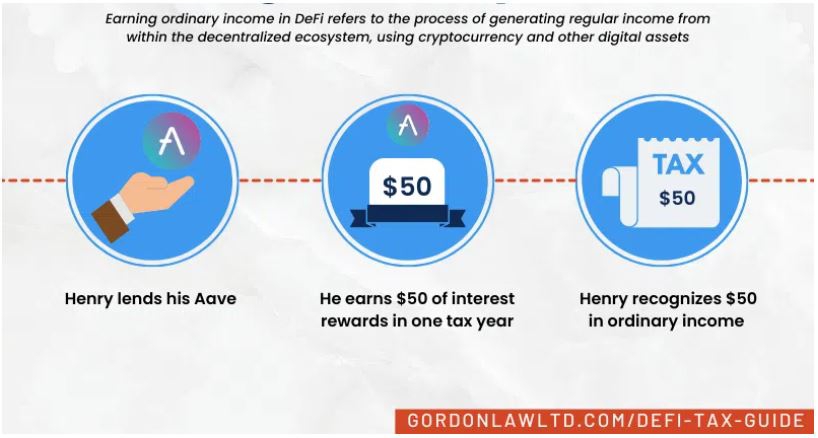
The new Form 1099-DA, expected to be fully enforced in 2026, will report broker transactions, including those from many centralized exchanges that support Layer 2 withdrawals. Cross-check your calculated cost basis against the 1099-DA data. Discrepancies often arise from unreported airdrops or staking rewards on Layer 2 networks, which are taxable as ordinary income at receipt [src-serp-2]. Ensure all taxable events are captured before finalizing your return.
L2 Cost Basis Verification Checklist
-
Bridge fees paid in native tokens are recorded as disposal events.
-
Mainnet deposits are manually linked to L2 withdrawals in tax software.
-
FIFO or LIFO method is consistently applied to all L2 disposals.
-
Internal wallet transfers are excluded from taxable events.
-
All 1099-DA data is reconciled with on-chain activity.
Identify tax loss harvesting opportunities
Tax loss harvesting is the process of selling underperforming assets to realize a capital loss, which can then offset capital gains elsewhere in your portfolio. In the volatile DeFi landscape, this is not merely a strategy for reducing liability; it is a mechanism for preserving capital during market downturns. For 2026 filers, the IRS has intensified scrutiny on crypto transactions, making precise identification of these opportunities critical.
Start by auditing your open positions across all layers. Identify tokens or liquidity provider (LP) shares that have dropped in value below your original cost basis. These are your candidates. Do not wait for a recovery; the opportunity exists only when the asset is currently trading lower than your entry price. This is especially relevant for volatile L2 tokens or governance tokens that may have suffered significant drawdowns since acquisition.
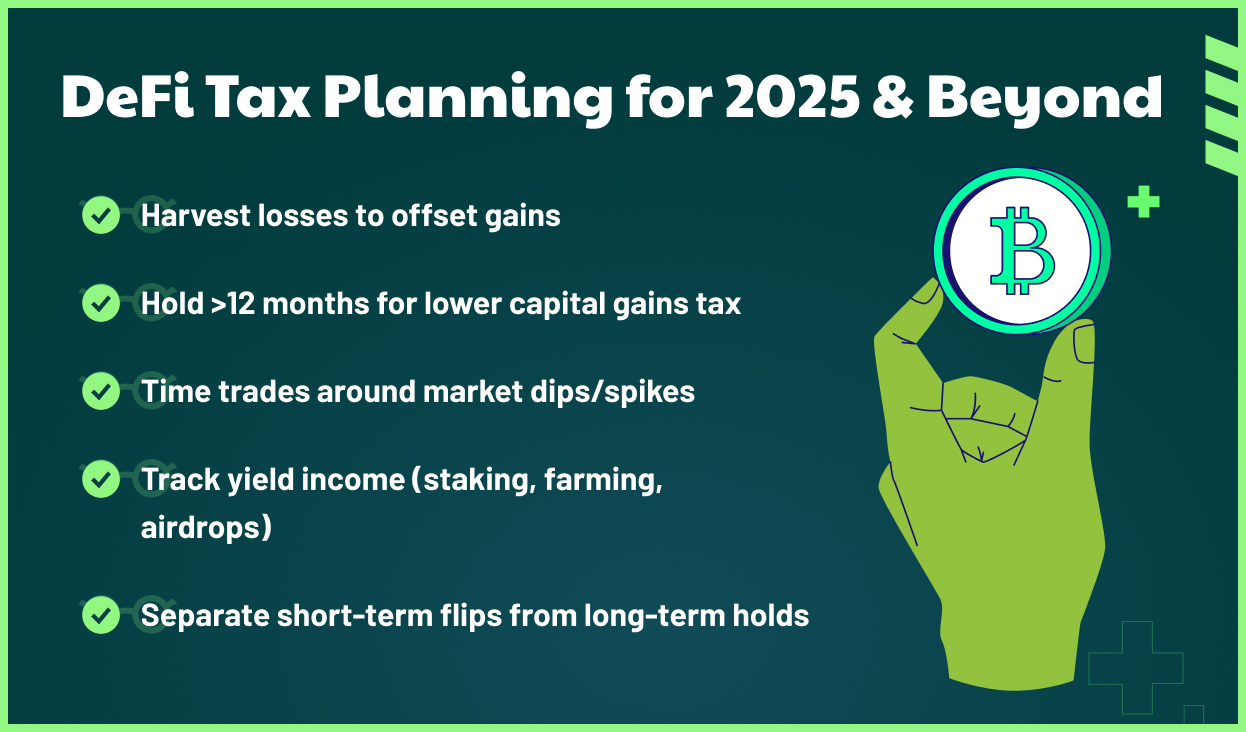
Once you have identified a candidate, verify that you are not violating the wash sale rule. The IRS does not currently explicitly apply the wash sale rule to cryptocurrencies, but this is a rapidly evolving area of tax law. To remain compliant and avoid future disputes, wait at least 30 days before repurchasing the same or a "substantially identical" asset. If you need exposure to the asset, consider a similar but distinct token or a synthetic derivative that does not trigger the rule.
Compare the tax impact of harvesting now versus holding. Use a comparison table to weigh the immediate tax benefit against the potential upside of a recovery. If the tax savings outweigh the expected recovery, execute the sale. Keep detailed records of the sale transaction, including the date, price, and realized loss, to support your tax reporting.
| Action | Tax Impact | Risk | Timing |
|---|---|---|---|
| Sell & Harvest | Realize loss, offset gains | Loss of exposure, potential rebound | Immediate |
| Hold | No current tax benefit | Further depreciation | Wait for recovery |
| Wash Sale (30-day repurchase) | Loss disallowed by IRS | Compliance violation | Within 30 days |
After selling, document the transaction in your tax software. Ensure the loss is correctly categorized as short-term or long-term based on your holding period. This data will be crucial when filing your 2026 tax return, particularly if you receive a Form 1099-DA that may not accurately reflect your cost basis.
Import and Reconcile Your Tax Lots
The final step in your DeFi tax preparation involves importing your calculated cost basis data into your tax software and reconciling it against the incoming Form 1099-DA reports from centralized exchanges. This process is not merely a formality; it is the critical verification stage where errors are caught before they become IRS discrepancies.
Begin by importing your CSV or API-generated lot data into your tax software. Ensure the software recognizes the transaction types correctly, particularly distinguishing between swaps, liquidity provision events, and airdrops. Most modern platforms will auto-match transactions against exchange data, but you must manually review any unmatched entries. Unmatched transactions often indicate missing data from decentralized protocols or wallets, which the IRS will still expect you to report.
Next, compare your imported data against the 1099-DA forms received from centralized exchanges. As noted by MetaMask, the 2026 reporting landscape introduces new complexities with Form 1099-DA, which may contain inaccuracies or omissions. If your calculated cost basis differs from the exchange's report, prioritize your own records, as they are typically more accurate for DeFi-specific transactions. Document any discrepancies clearly in your tax software’s notes field.
Finally, run a discrepancy check. Look for duplicate entries, incorrect dates, or mismatched cost basis methods. If the software flags a conflict, investigate the source of the error. Once reconciled, review the final summary to ensure it aligns with your total gains and losses. This reconciliation step is essential for a defensible tax position in the 2026 filing season, which experts describe as a "minefield" for crypto investors.
No comments yet. Be the first to share your thoughts!