

DeFi traders in the UK have long navigated a tax minefield when dipping into lending pools and liquidity provision. Every deposit or token swap inside these protocols could trigger a capital gains tax event under current HMRC rules, turning what should be seamless yield farming into a nightmare of disposals and calculations. Enter the proposed 'no gain, no loss' (NGNL) regime - a breath of fresh air that defers tax until you actually cash out, aligning rules with economic reality.

This shift promises to slash administrative headaches for UK DeFi tax no gain no loss compliance, letting you focus on optimizing returns rather than fretting over phantom gains. As someone who's guided investors through multi-asset mazes for over a decade, I see NGNL as a pivotal win, especially when paired with robust FIFO LIFO DeFi tax lots tracking tools like those at DefiTaxLots. com.
Why Current Rules Trip Up DeFi Lending and Pools
Picture this: you deposit ETH into an Aave lending pool or provide liquidity to a Uniswap V3 position. Under today's HMRC guidance, that move often counts as a disposal, forcing you to calculate gains based on market value at that instant. Interest accrues? Another disposal. Rebalancing your pool? Rinse and repeat. These micro-events pile up, distorting your true profit and loss while demanding meticulous records.
Sources like GOV. UK and Deloitte's TaxScape highlight how this treats DeFi as a series of taxable swaps, even when your underlying assets haven't budged economically. It's inefficient and punitive, deterring retail participation in high-yield strategies. No wonder compliance costs soar - onchain PnL tracking becomes essential just to stay audit-ready.
Breaking Down the NGNL Proposal for Everyday Traders
The UK government's consultation, summarized on GOV. UK, floats NGNL relief specifically for crypto lending and staking in DeFi setups. Deposits into protocols or AMMs won't spark immediate CGT; instead, tax kicks in only on genuine disposals like sales, trades, or withdrawals. This defers liability until you realize an actual gain or loss, mirroring traditional finance treatments.
Industry heavyweights such as Aave and Binance back it, arguing it cuts burdens and reflects real economics. Exclusions loom for tokenized real-world assets or securities, keeping the focus on pure crypto plays. For liquidity providers, this means uninterrupted pool participation without tax drag on every rebalance. It's empowering - suddenly, DeFi lending tax tracking simplifies dramatically.
Benefits of NGNL Rules
- Deferred CGT on DeFi deposits & withdrawals – tax only on actual disposals.

- Reduced record-keeping – fewer taxable events in lending pools & AMMs.

- Aligned with economic reality – CGT matches true gains/losses, not pool actions.
- Boosts UK DeFi adoption – welcomed by Aave & Binance for user clarity.

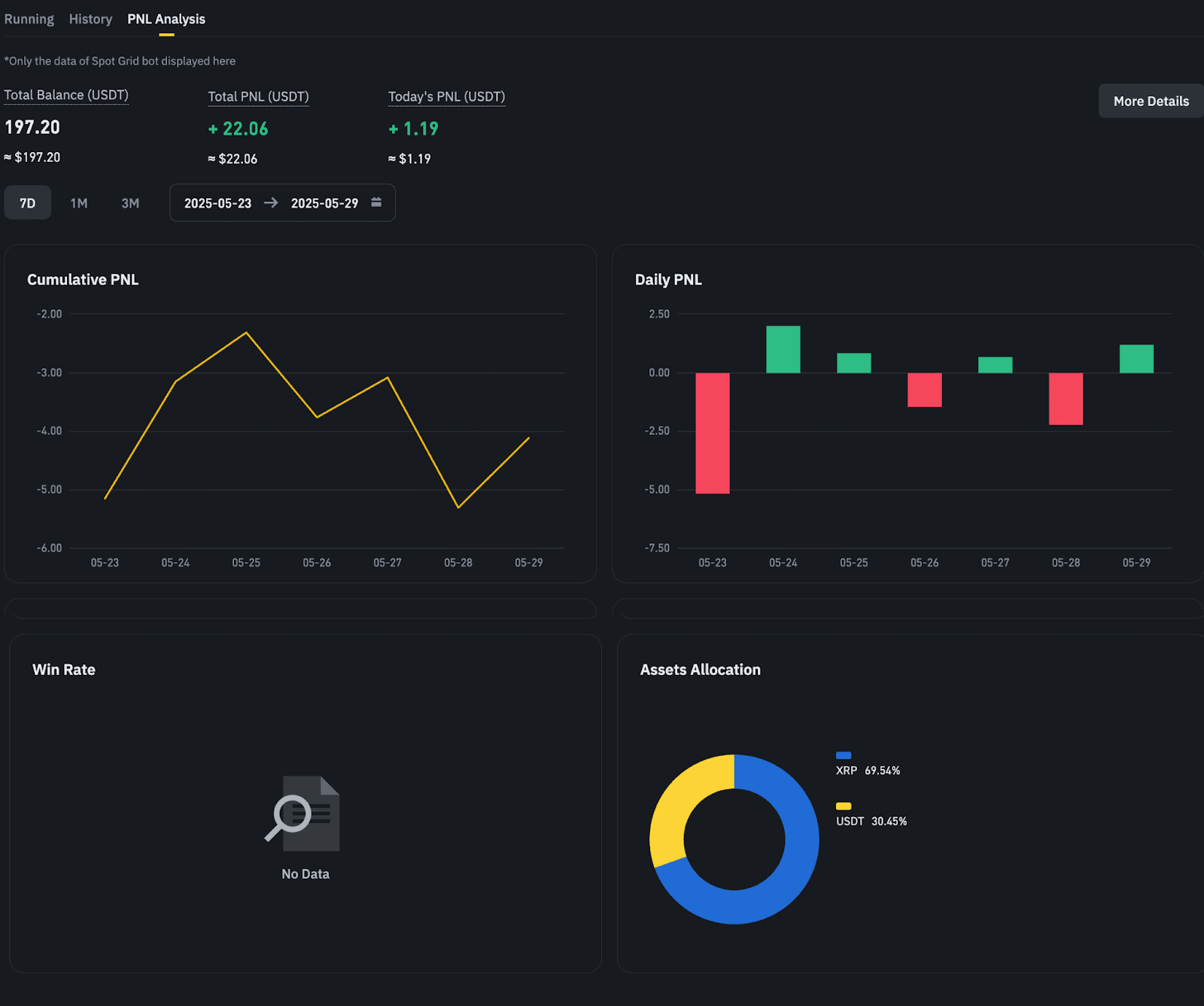
- Easier on-chain PnL visualization – streamlines tracking under Section 104 pooling.
UK's Section 104 Pooling Meets FIFO LIFO Realities
While NGNL handles the 'when' of taxation, the 'how' hinges on cost basis methods. The UK mandates Section 104 pooling for cryptoassets: all holdings of a token merge into one pool with an average acquisition cost. Sell some? You tap the pool's average, prorating the basis.
This averages out volatility better than strict FIFO (first in, first out) or LIFO (last in, first out), but DeFi's complexity demands more. Wrapped tokens, LP positions, and yield-bearing assets fragment pools, making pure averaging tricky. That's where FIFO LIFO DeFi tax lots shine - tools like DefiTaxLots. com let you simulate both alongside pooling, previewing tax outcomes for strategic trades.
For lending pools, NGNL plus pooling means your deposited assets carry over their pooled basis intact until withdrawal. Track onchain PnL in real-time, and you're set for compliant reporting. I advocate hybrid tracking: use pooling for HMRC filings, but FIFO/LIFO previews to optimize entries and exits amid volatile DeFi liquidity pool taxes.
Hybrid approaches let you stress-test scenarios: enter a lending pool under pooling rules, but model FIFO for high-volatility exits or LIFO during bull runs. DefiTaxLots. com excels here, offering real-time onchain PnL UK crypto dashboards that visualize tax lots across methods, ensuring you're never caught off-guard by HMRC scrutiny.
Real-World Example: Lending ETH in Aave Under NGNL
Let's walk through a scenario. You acquire 10 ETH at an average pooled cost of £2,500 each via Section 104. Deposit into Aave for lending - under NGNL, no CGT on deposit. Earn interest in aETH (wrapped ETH); rehypothecation or compounding stays tax-deferred. Withdraw after six months? Your basis carries over unchanged. Sell half at market value: calculate gain from the pool's average, not fragmented lots.
This simplicity empowers bolder strategies. Without NGNL, each wrap or unwrap could spawn taxable events, eroding yields through compliance friction. Now, focus on APYs and impermanent loss mitigation in DeFi liquidity pool taxes. Tools auto-match onchain txns to pools, flagging deferred events for seamless reporting.
Navigating Edge Cases and Best Practices
Not all DeFi fits neatly. Flash loans, leveraged positions, or cross-chain bridges might still trigger disposals outside NGNL scope. Tokenized RWAs get excluded, treated as securities under existing rules. My advice: layer onchain tracking religiously. DefiTaxLots. com's FIFO/LIFO simulators reveal hidden tax drags, like LIFO favoring short-term holders in rising markets by assigning higher bases to sales.
Best practice? Maintain separate wallets for DeFi experiments versus HODL stacks to isolate pools. Run quarterly reconciliations, projecting DeFi lending tax tracking under multiple methods. This proactive stance turns tax from foe to ally, optimizing net yields post-compliance.
Government consultations continue, with stakeholder input shaping final legislation by Autumn Budget 2025 or beyond. Stay vigilant - rules evolve, but core principle endures: tax economic reality, not protocol mechanics.
Empower Your DeFi Journey with Precision Tools
In this shifting landscape, precision tracking is your edge. DefiTaxLots. com integrates multi-chain data for instant PnL, tax lot previews in FIFO, LIFO, or Section 104 pooling, and export-ready HMRC reports. No more spreadsheets or guesswork; visualize FIFO LIFO DeFi tax lots as you trade, spotting opportunities like tax-efficient pool rotations.
I've seen traders double yields by timing exits around basis previews, all while staying compliant. NGNL amplifies this: defer taxes, compound freely, report accurately. Whether supplying liquidity on Curve or lending stables on Compound, robust tools bridge DeFi innovation with UK tax clarity.
Armed with NGNL insights and smart tracking, UK DeFi users reclaim control. Dive into pools confidently, harvest yields without tax turbulence, and build wealth on solid, compliant foundations. Your trades deserve this clarity - seize it now.




No comments yet. Be the first to share your thoughts!