
New 2026 reporting rules
The IRS is shifting the burden of cost basis calculation from centralized exchanges to you. Starting in 2026, Form 1099-DA will capture cryptocurrency transactions, but it will not automatically tell you which specific tokens you sold or what you originally paid for them. This gap means manual lot tracking is no longer optional—it is critical for DeFi users who want to minimize their tax liability.
Under the new rules, exchanges and reporting agents must submit transaction data to the IRS. However, this data often lacks the granular details required to calculate accurate gains or losses, especially for complex DeFi activities like liquidity provision, staking rewards, or cross-chain swaps. Without a clear record of your specific lot identification method, the IRS may default to First-In, First-Out (FIFO) calculations, which can result in higher taxable gains compared to Specific ID methods.
Note: The shift to Form 1099-DA expands reporting beyond just exchange trades to include wallet-level transactions, making accurate record-keeping essential for DeFi participants.
To navigate this change, you must establish a rigorous tracking system before the 2026 tax year begins. This involves documenting the date, time, amount, and fair market value of every transaction, as well as the specific cost basis for each lot you sell. By maintaining detailed records, you can choose the most tax-efficient lot identification method, such as Specific ID, to offset gains with losses or utilize lower-cost lots strategically.
The stakes are high. Inaccurate reporting can lead to audits, penalties, and interest charges. By understanding the new Form 1099-DA requirements and implementing a robust lot tracking strategy, you can ensure compliance while optimizing your tax outcome.
Choose your lot method
Selecting between FIFO and Specific ID determines how the IRS calculates your cost basis when you sell DeFi assets. This choice directly impacts your taxable gains, especially in a volatile market where asset prices swing wildly.
FIFO (First-In, First-Out) assumes you sell the oldest assets first. This method is simple and often required by exchanges if you do not specify otherwise. In a rising market, FIFO typically results in higher capital gains because older, lower-cost assets are sold first. This can push you into a higher tax bracket sooner.
Specific ID allows you to identify exactly which tokens you are selling. You can choose to sell the most recent purchases to minimize gains if prices have dropped, or select specific lots to harvest losses. This method offers maximum control but requires meticulous record-keeping. You must track the acquisition date, cost basis, and sale price for every single transaction.
The IRS requires you to report your cost basis method consistently. If you switch methods, you may need to file Form 3115. With the 2026 introduction of Form 1099-DA, exchanges will report transaction data, but the accuracy of your specific lot identification remains your responsibility.
Track lots in your wallet
Accurate tax reporting starts with identifying which specific tokens you sold. The IRS requires you to track the cost basis of every asset, and relying on exchange summaries is no longer sufficient for DeFi users. Exchanges report via Form 1099-DA, but these forms often contain errors or omit peer-to-peer transactions. You must maintain your own records to ensure compliance and avoid overpaying taxes on gains you never realized.
Tracking lots in your wallet involves linking every transaction to a specific acquisition date and price. This process allows you to use methods like Specific ID to minimize your tax liability. Follow this sequence to import and tag your DeFi lots correctly.

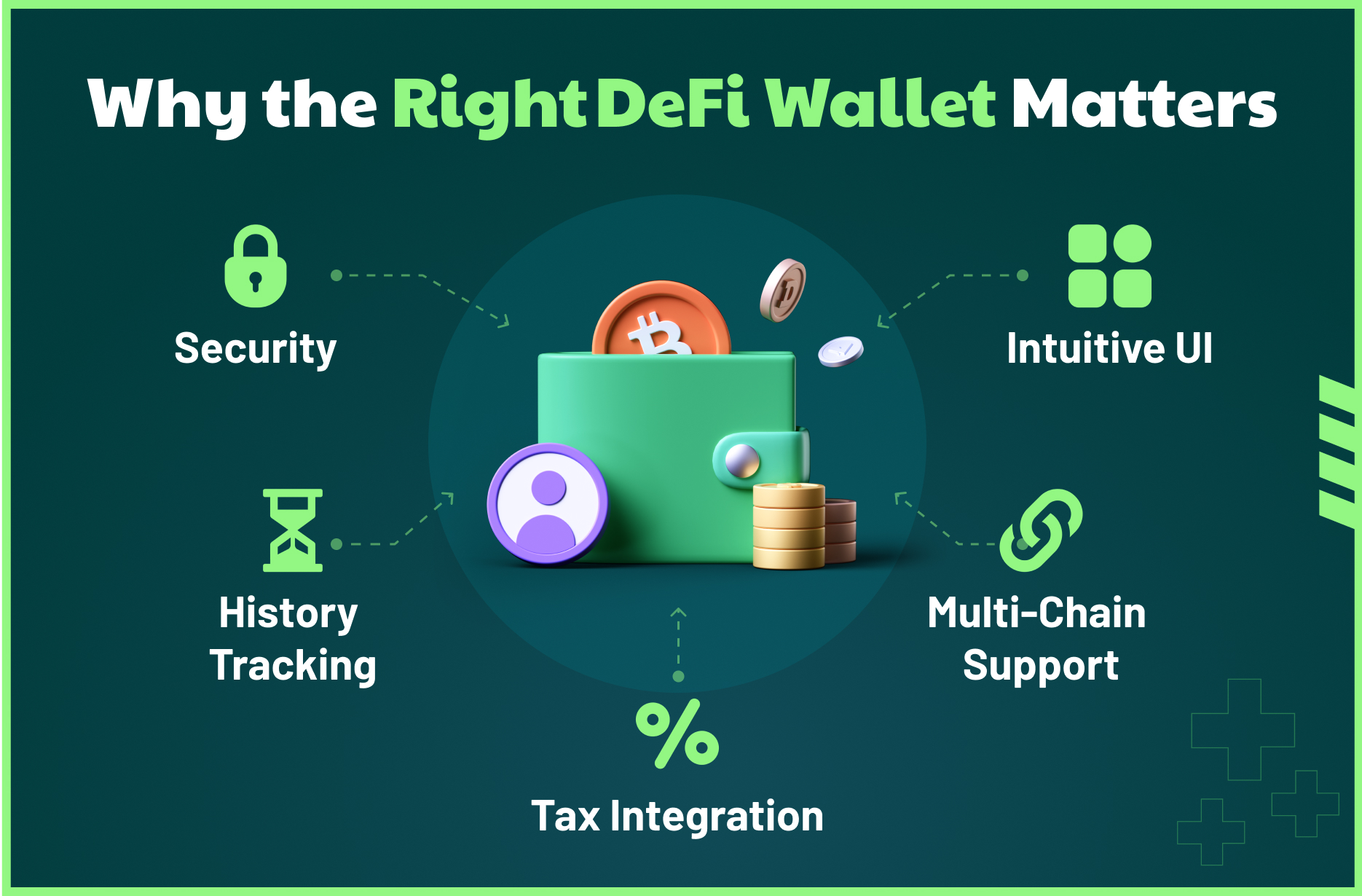
Begin by exporting raw transaction data from every wallet and protocol you used. Most DeFi wallets, such as MetaMask, allow you to download CSV files of your transaction history. Ensure you capture the full date, time, token address, amount, and transaction hash. This raw data is the foundation for all lot tracking.
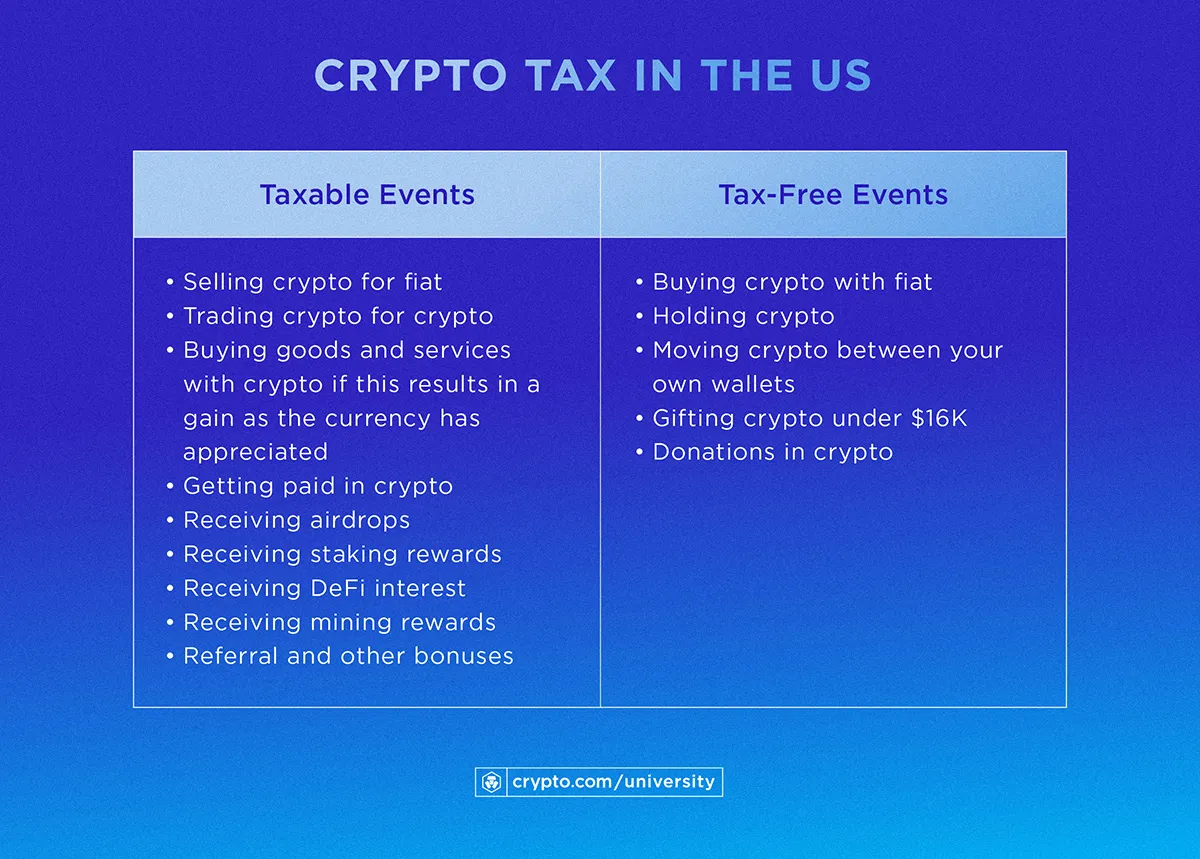
Upload your CSV exports to a reputable DeFi tax software. Look for tools that support multi-chain analysis and can automatically fetch on-chain data to fill in missing details. The software will parse your transactions and create a preliminary list of all your token acquisitions and disposals.

This is the critical step for reducing gains. Instead of using FIFO (First-In, First-Out), select the Specific ID method. When you sell a token, choose the specific purchase lot you want to dispose of. You can target older lots with high cost basis to offset gains, or newer lots to manage your taxable income for the year.
Review the calculated cost basis for every transaction. Ensure the software correctly accounts for gas fees, which are part of your cost basis when acquiring tokens. Double-check that any staking rewards or airdrops are recorded as income at their fair market value on the date received. Inaccurate cost basis leads to incorrect tax forms.

Finally, compare your internal records against the Form 1099-DA received from exchanges. Discrepancies are common. If your records show more transactions or different values, use your internal lot tracking data to support your tax return. This reconciliation is your primary defense against IRS audits regarding crypto transactions.
Maintaining this level of detail protects you from the inaccuracies of exchange reporting. By tracking lots in your wallet, you ensure that every gain and loss is accounted for correctly, giving you full control over your tax outcome.
Harvest losses before year-end
Use Specific ID lot identification to selectively sell losing positions before December 31. This method lets you target the assets with the highest unrealized losses to offset your capital gains, lowering your tax bill for the 2026 tax year.
1. Identify the most profitable and losing lots
Review your transaction history to find the specific lots that generated gains. Then, identify the specific lots for the same asset that are currently underwater. You need the exact acquisition dates and cost basis for these losing positions to ensure they qualify for Specific ID.
2. Execute the sale with Specific ID selected
When you sell the losing asset, your exchange or tax software must use the Specific ID method. Select the exact lot you want to close. Do not use FIFO (First-In, First-Out), which automatically sells your oldest shares first and may not offer the best tax benefit. Selling the specific losing lot locks in the capital loss immediately.
3. Watch the wash sale rule closely
The wash sale rule prevents you from claiming a loss if you buy the same or "substantially identical" asset within 30 days before or after the sale. In DeFi, this is tricky. If you sell an Ethereum position at a loss, buying back ETH or a liquid staking derivative like stETH within the window disqualifies the loss. Wait at least 31 days before repurchasing to keep the deduction valid.
4. Offset gains and carry forward remaining losses
Apply the realized losses against your capital gains. If your losses exceed your gains, you can use up to $3,000 of the remaining loss to offset ordinary income. Any leftover loss carries forward to future tax years indefinitely. This step is critical for managing your tax liability across multiple years.
5. Verify calculations before filing
Double-check your lot identification records. Ensure the Specific ID selections match your trade confirmations. Inaccurate records can lead to IRS audits or disallowed deductions. Keep detailed logs of every sale, the lot ID selected, and the resulting loss for your 2026 tax filing.
Common lot tracking mistakes
DeFi tax lots are easy to mismanage when you are juggling multiple chains and protocols. A single error in your lot tracking can turn a small gain into a large tax bill, or worse, create a basis mismatch that the IRS cannot reconcile. The 2026 reporting rules under Form 1099-DA require accurate cost basis data, and exchanges will not fix your internal DeFi records for you. You must track every swap, stake, and bridge yourself to avoid these costly pitfalls.
Mixing exchange and DeFi basis
Many traders assume that their cost basis on a centralized exchange (CEX) carries over automatically to a decentralized exchange (DEX). It does not. When you withdraw assets from an exchange to a DeFi wallet, you must manually record the withdrawal as a disposition if you sold or swapped them, or as a transfer if you simply moved them. Failing to separate these two environments often leads to double-counting gains or losing track of your original purchase price entirely. Always keep a distinct ledger for on-chain activity.
Ignoring gas fees in cost basis
Gas fees are not just expenses; they are part of your cost basis for specific lots. When you swap tokens on Uniswap or provide liquidity on Aave, the ETH or SOL you spend on gas is added to the cost of the tokens you received. If you ignore these fees, your cost basis is too low, and your taxable gain is artificially inflated. The IRS treats gas fees as part of the acquisition cost of the new asset. Track every transaction hash and note the gas paid to ensure your basis is accurate.
Failing to update basis after swaps
A frequent error occurs when traders swap Token A for Token B and forget to update the lot tracking for Token A. The original purchase price of Token A remains in your records, but the asset no longer exists. You must close out the old lot and establish a new basis for Token B based on the fair market value at the time of the swap. If you do not update this, you will have "ghost lots" that distort your capital gains calculations. Use a tool that automatically adjusts basis after every trade to prevent this drift.
No comments yet. Be the first to share your thoughts!