

In the relentless churn of DeFi cycles, where liquidity pools swell and impermanent loss lurks like a shadow, 2026 brings a sharper edge to every trade: tax lots. As a macro strategist who's tracked commodities through booms and busts, I've seen how onchain data reveals patterns that offchain regulations scramble to match. With IRS rules locking FIFO as the default for crypto since January 2025, DeFi traders face a pivotal choice between administrative ease and tactical tax optimization. Platforms like DefiTaxLots. com cut through the noise, delivering real-time onchain PnL across chains, FIFO/LIFO calculations, and compliant reports that turn compliance into a competitive advantage.
FIFO's Grip Tightens: Default Method in DeFi's Multi-Chain Maze
First-In, First-Out assumes your oldest crypto lots sell first, a method that shines when assets age into long-term capital gains territory. Sources like CoinLedger highlight how FIFO unlocks lower tax rates on holdings matured over a year, ideal in bull markets where early buys at $1,000 Ethereum now fetch premiums. Yet, in DeFi's frenetic swaps and yields, this simplicity masks pitfalls. Uncle Kam notes FIFO's administrative edge, no lot-tracking mandates, but for yield farmers juggling Uniswap V3 positions across Ethereum, Arbitrum, and Base, it often inflates short-term gains taxes.
FIFO vs LIFO Comparison: Pros/Cons, Bull/Bear Impacts, Tax Examples for DeFi Traders
| Aspect | FIFO | LIFO | |||
|---|---|---|---|---|---|
| Pros | ✅ IRS default method (mandated unless Specific ID elected) ✅ Administrative simplicity (no lot tracking) ✅ Qualifies older lots for long-term capital gains (0-20%) | ✅ Reduces gains in bull markets (sells recent high-cost basis first) ✅ Defers taxes on long-held lots | |||
| Cons | ❌ Higher taxable gains in bull markets (sells oldest low-cost basis) ❌ Less optimization flexibility | ❌ Requires Specific Identification & detailed onchain records ❌ Risky in bear markets (sells recent lots first) | Bull Market Impact (📈 Rising Prices) | ❌ Higher short-term gains/taxes | ✅ Lower gains (recent high basis matches high sale price) |
| Bear Market Impact (📉 Falling Prices) | ✅ Potentially lower losses (older basis) | ❌ Higher losses/taxes (recent low basis with low sale price) | |||
| Tax Rate Examples (US 2026, Hypothetical $10k Gain) | Short-term (≤1yr): 10-37% ($1k-$3.7k tax) Long-term (>1yr): 0-20% ($0-$2k tax) | Usually short-term: 10-37% (LIFO often yields smaller $5k gain: $500-$1.85k tax) | DeFi Trader Notes | Default for compliance; easy onchain PnL tracking | Needs tools like Koinly/CoinLedger for lot-specific tracking & audit reports |
DefiTaxLots. com's multi-chain tax reporting automates this, visualizing PnL with FIFO layers to spot overtaxed lots before filing. I've relied on it for long-range views, correlating onchain flows with macro trends like Bitcoin's cycle peaks.
LIFO Emerges as DeFi's Tactical Counterplay
Flip the script with Last-In, First-Out: newest buys dispose first. CoinTracker and TokenTax describe LIFO as FIFO's mirror, excelling when recent high-cost basis lots offset gains in rising markets. CryptoTaxAudit warns it's risky in downtrends, potentially crystallizing losses on pricier recent entries, but for DeFi traders farming during pumps, it slashes taxable events. In 2026's regulatory squeeze, Specific Identification offers flexibility, yet demands records LIFO sidesteps partially.
In bull markets, LIFO can reduce gains but watch downtrends - CryptoTaxAudit
Awaken Crypto Tax Software points out LIFO often yields highest taxes in bulls if not paired with HIFO, yet for pure DeFi plays, its recency bias aligns with impermanent loss hedging. Platforms like Koinly boast 95% accuracy in audits, but DefiTaxLots specializes in onchain precision, tracking tax lots from wallet to harvest without CSV imports.
Real-Time Onchain PnL: The Bridge Between FIFO, LIFO, and Compliance
Cycles repeat, but tax rules evolve. CoinTracking details how methods like OPTI or HIFO minimize liability, yet IRS defaults to FIFO absent specifics. Reddit threads from r/CryptoTax echo Coinbase users debating HIFO recalcs, underscoring DeFi's need for granular tracking. DefiTaxLots. com stands out with real-time dashboards, FIFO/LIFO toggles, and audit trails for multi-wallet DeFi empires.
Imagine a 2026 yield farm: You stake at Ethereum's peak, harvest amid volatility. FIFO taxes the 2024 vintage low-basis lot, hiking short-term rates; LIFO hits the fresh stake, deferring pain. Onchain PnL trackers reveal this delta instantly, empowering crypto tax optimization DeFi style.
DeFi's volatility demands more than rote calculations; it calls for foresight. As cycles crest toward what feels like Bitcoin's next leg up, I've positioned using DefiTaxLots. com to layer FIFO baselines against LIFO hypotheticals, revealing tax drags before they compound. This dual-view approach turns regulatory hurdles into strategic levers, especially with multi-chain tax reporting syncing Ethereum liquidity to Solana yields seamlessly.
Bull vs Bear Plays: Scenario Breakdown for DeFi Tax Lots
In bull runs, FIFO rewards patience, maturing cheap 2024 entries into long-term gains at 0-20% rates versus short-term's 37% bite. But LIFO shines for active traders: offload those pumped-in lots first, minimizing realized profits on farms harvested mid-rally. CryptoTaxAudit nails it-FIFO hikes bull market taxes, while LIFO defers them, though bear markets flip the script. Recent buys at peaks become losses under LIFO, accelerating write-offs, whereas FIFO preserves low-basis gems for recovery. For DeFi yield chasers, this pivot matters: a Uniswap V3 position entered at Ethereum's $4,000 summer high versus a 2023 $2,000 bag alters your 2026 bill dramatically.
Bull/Bear Market Scenarios: FIFO vs LIFO Tax Outcomes & PnL Deltas for DeFi Trades
| Scenario | Trade Type | FIFO Gain/Loss | LIFO Gain/Loss | Delta (FIFO - LIFO) | Tax Advantage |
|---|---|---|---|---|---|
| 📈 Bull Market | ETH Swap | +$15,000 | +$4,000 | +${11,000} | LIFO (lower taxable gains) |
| 📈 Bull Market | Yield Farm | +$12,000 | +$3,000 | +${9,000} | LIFO (lower taxable gains) |
| 📉 Bear Market | ETH Swap | -${3,000} | -${12,000} | +${9,000} | LIFO (higher losses for offsets) |
| 📉 Bear Market | Yield Farm | -${2,500} | -${9,500} | +${7,000} | LIFO (higher losses for offsets) |
Awaken's analysis underscores HIFO's edge-minimizing costs via highest-basis sales first-yet IRS scrutiny demands Specific ID records, a paperwork nightmare absent automation. Bitget's Koinly reviews confirm 95% accuracy for basics, but DeFi's onchain nuance, from flash loans to oracle feeds, exposes gaps. DefiTaxLots. com bridges this, its onchain PnL tracker DeFi-native, pulling tax lots directly from mempools for crypto tax optimization DeFi demands.
HIFO and Beyond: Advanced Tactics in 2026's Regulatory Arena
HIFO tempts with lowest taxes, selling priciest lots to slash gains, per TokenTax and CoinTracking. Reddit's r/CryptoTax debates rage-Coinbase HIFO users recalculating to FIFO pre-filing amid 2025 audits. Yet for DeFi trader tax guide 2026, Specific ID reigns if documented, letting you cherry-pick lots per trade. Uncle Kam champions FIFO's simplicity sans instructions, but I've seen pros overpay sans tools. LIFO, per CoinTracker, counters rising markets by prioritizing fresh, costly entries, aligning with DeFi's high-turnover ethos.
Picture this narrative arc: Early 2026, Solana DeFi booms; you LP at highs, exit amid pullback. FIFO taxes vintage SOL from 2024's dip, inflating short-term hits; LIFO claims the recent stake, netting losses to offset elsewhere. DefiTaxLots visualizes these forks in real-time, multi-chain tax reporting across 20 and networks, FIFO/LIFO toggles yielding IRS-ready CSVs. No more Koinly import fumbles-its onchain precision correlates wallet flows with macro cycles I've chased since commodities' 2011 crush.
Strategic 5-Step DefiTaxLots Setup: Master FIFO/LIFO Onchain PnL for DeFi Traders

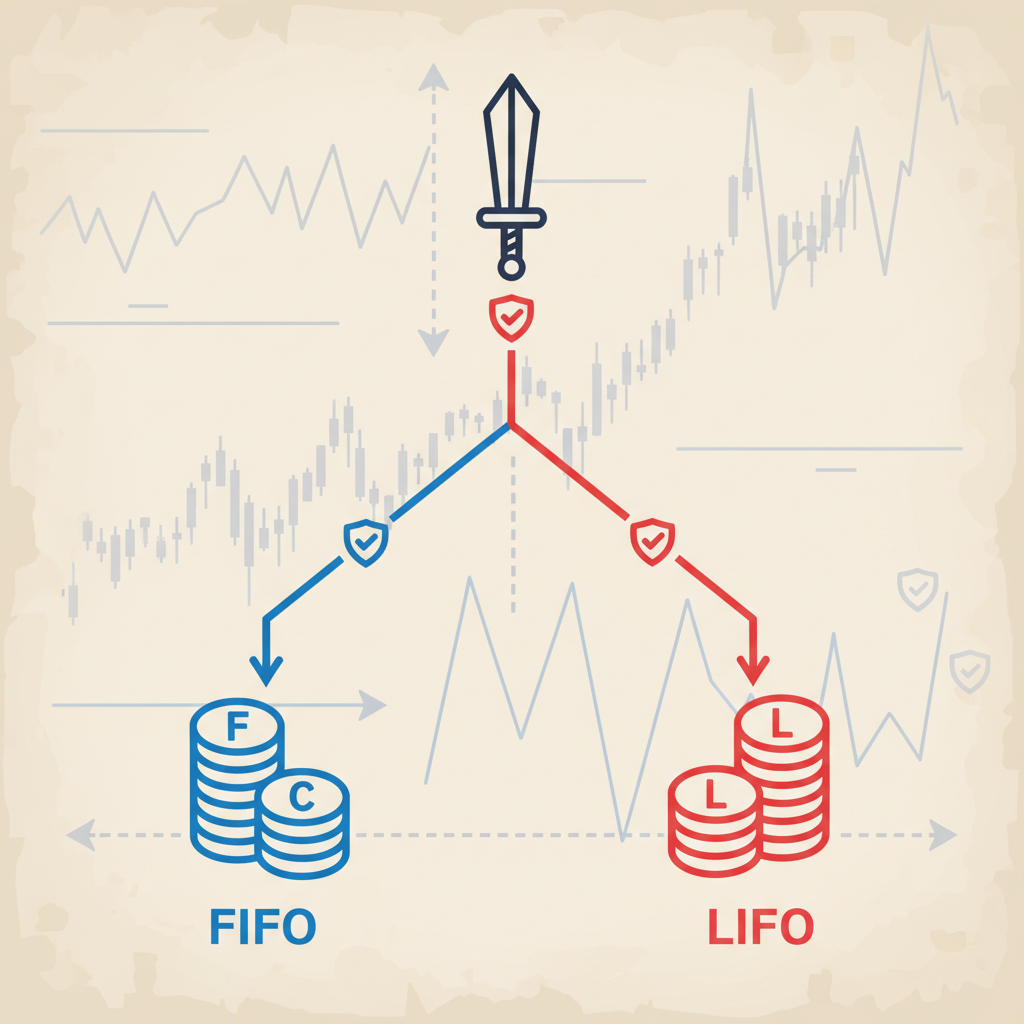



Over 16 years, patterns emerge: regulations lag onchain truth. 2026's FIFO mandate forces adaptation, but LIFO's tactical edge, paired with tools like DefiTaxLots, reframes taxes as positioning signals. Track precisely, and DeFi tax lots FIFO LIFO become your cycle navigator-optimizing not just returns, but survival through the next unwind.




No comments yet. Be the first to share your thoughts!