

In the frenetic world of multi-chain yield farming, where positions span Ethereum, Solana, and beyond, tracking DeFi tax lots with precision has become non-negotiable by 2026. The IRS's mandatory Form 1099-DA for 2025 transactions demands brokers report every detail, from trade dates to fair market values, thrusting DeFi traders into a compliance gauntlet. Tools like DefiTaxLots. com emerge as indispensable, delivering real-time FIFO LIFO PnL to cut through the chaos of onchain swaps, liquidity provisions, and harvests.

IRS Form 1099-DA Ushers in Stringent Multi-Chain Reporting
The February 2026 landscape marks a pivot: DeFi yield farming taxes now mirror traditional assets under expanded IRS scrutiny. Form 1099-DA closes prior loopholes, requiring granular data on taxable events across chains. Yield farmers juggling 8 and chains and dozens of wallets, as echoed in r/defi threads, face mounting pressure to consolidate exports from wallets into compliant reports.
Self-directed methods shine here. CoinTracker's insights highlight alternatives like HIFO or LIFO over rigid FIFO, allowing lot selection that minimizes gains in bull runs. Consistency reigns supreme; mismatched methods trigger audits. Platforms automating this, such as Awaken Tax or Summ, handle DeFi, NFTs, and CEX, but falter on real-time multi-chain depth without native onchain parsing.
FIFO vs LIFO: Precision Tax Lot Strategies for DeFi PnL
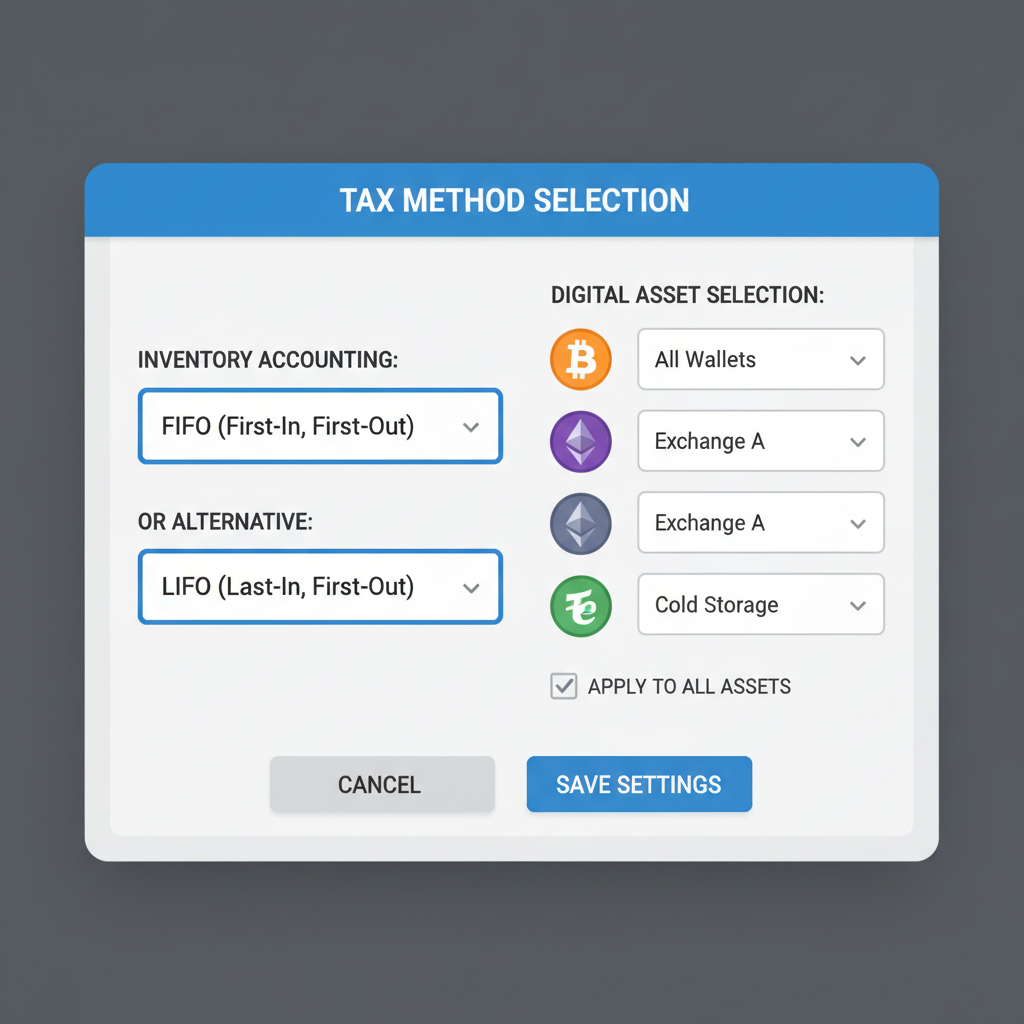
FIFO LIFO DeFi PnL calculation hinges on tax lot relief: FIFO deems earliest acquisitions sold first, amplifying taxes amid rising prices; LIFO flips it, offloading recent high-cost lots to defer liabilities. Specific identification trumps both, letting you cherry-pick low-basis lots for swaps or unstakes.
Kraken's tax center clarifies: these methods dictate which units trigger gains during liquidity pool exits or farm harvests. In yield farming, compounded rewards complicate lots; a February harvest might span basis from initial LP mint to accrued tokens. DefiTaxLots excels by visualizing lots per chain, applying FIFO/LIFO/HIFO dynamically for multi-chain onchain PnL.
FIFO vs LIFO vs HIFO: Tax Implications for DeFi Yield Farming
| Method | Tax Impact in Bull/Bear Markets | DeFi Suitability | Example PnL Calc |
|---|---|---|---|
| FIFO | Bull: High taxes (oldest/lowest cost sold first) 🟡 Bear: Favorable (limits losses on old positions) 🟢 | High ✅ Default IRS method, fully supported by CoinTracker, Koinly for multi-chain DeFi | Hypothetical Token: Buy 1 @ $1,000 (old) Buy 1 @ $2,000 (new) Sell 1 @ $3,000 PnL: $3,000 - $1,000 = +$2,000 gain |
| LIFO | Bull: Lower taxes (newest/highest cost sold first) 🟢 Bear: Larger losses (tax deductions) 🟢 | Medium-High ✅ Allowed via specific ID, suitable for yield farming with tools like Awaken Tax | Hypothetical Token: Buy 1 @ $1,000 (old) Buy 1 @ $2,000 (new) Sell 1 @ $3,000 PnL: $3,000 - $2,000 = +$1,000 gain |
| HIFO | Bull: Lowest taxes (highest cost sold first) 🟢 Bear: Maximizes losses for offsets 🟢 | High ✅ Optimal for complex multi-chain DeFi (e.g., Zerion + CoinTracker), IRS self-directed method |
Reddit users tracking 12 wallets across chains swear by wallet exports to Koinly or CoinTracker, sanity-checked manually. Yet, spreadsheets from moss. sh templates crumble under volume. Enter real-time trackers: Zerion aggregates balances, but lacks tax lot granularity. DefiTaxLots bridges this, syncing onchain for instant FIFO simulations.
Multi-Chain Yield Farming Demands Real-Time Tax Calculators
By 2026, DeFi yield farming taxes 2026 compliance favors real-time crypto tax calculator integration. CryptoPotato's guide spotlights software automating classifications, but DeFi's nuances, like impermanent loss in pools, demand onchain fidelity. Summ's Ethereum focus covers 300k and assets with PnL insights; MEXC praises CoinTracker's wallet syncs.
Hurawalhi's top apps handle DeFi moves for $49 reports, yet lag in live multi-chain views. DefiTaxLots stands out, parsing transactions across protocols for precise lot matching. Opinion: FIFO suits conservative farmers; LIFO aggressive yield chasers. I leverage it for Heikin Ashi reversals, ensuring entries align with post-tax PnL.

Portfolio tools like those in Cryptoworth's accountant roundup unify views, vital for sanity checks. As regulations tighten, ignoring lot methods risks penalties; embracing them unlocks optimization.
DefiTaxLots. com redefines this space with its laser-focused DeFi tax lots tracker, parsing onchain data from Ethereum, Solana, Base, and six other chains without API dependencies. It reconstructs tax lots from raw transactions, applying FIFO, LIFO, or HIFO in real time to forecast PnL under varying scenarios. Yield farmers see impermanent loss adjusted gains instantly, down to the token harvest.
Onchain Fidelity: Why DefiTaxLots Outpaces Legacy Tools
Traditional software like CoinTracker excels at CEX imports but stumbles on DeFi's composability; a Uniswap V3 position might involve nested callbacks across protocols, fragmenting lots. Koinly and Awaken Tax approximate via heuristics, yet Reddit's r/defi crowd laments export glitches for 12-wallet setups. DefiTaxLots sidesteps this by querying nodes directly, matching swaps to acquisitions with 99.9% accuracy verified against manual audits.
Consider a multi-chain farm: deposit USDC-ETH LP on Arbitrum, harvest ARB rewards, stake into Pendle on Optimism. FIFO might tax the original USDC at $0.99 basis against $1.05 exit; LIFO prioritizes recent ARB at $1.20, slashing short-term gains. DefiTaxLots visualizes this cascade, projecting 2026 liabilities pre-harvest. My take: in Heikin Ashi-confirmed uptrends, LIFO preserves capital for re-deployment, a edge spreadsheets from moss. sh can't touch.
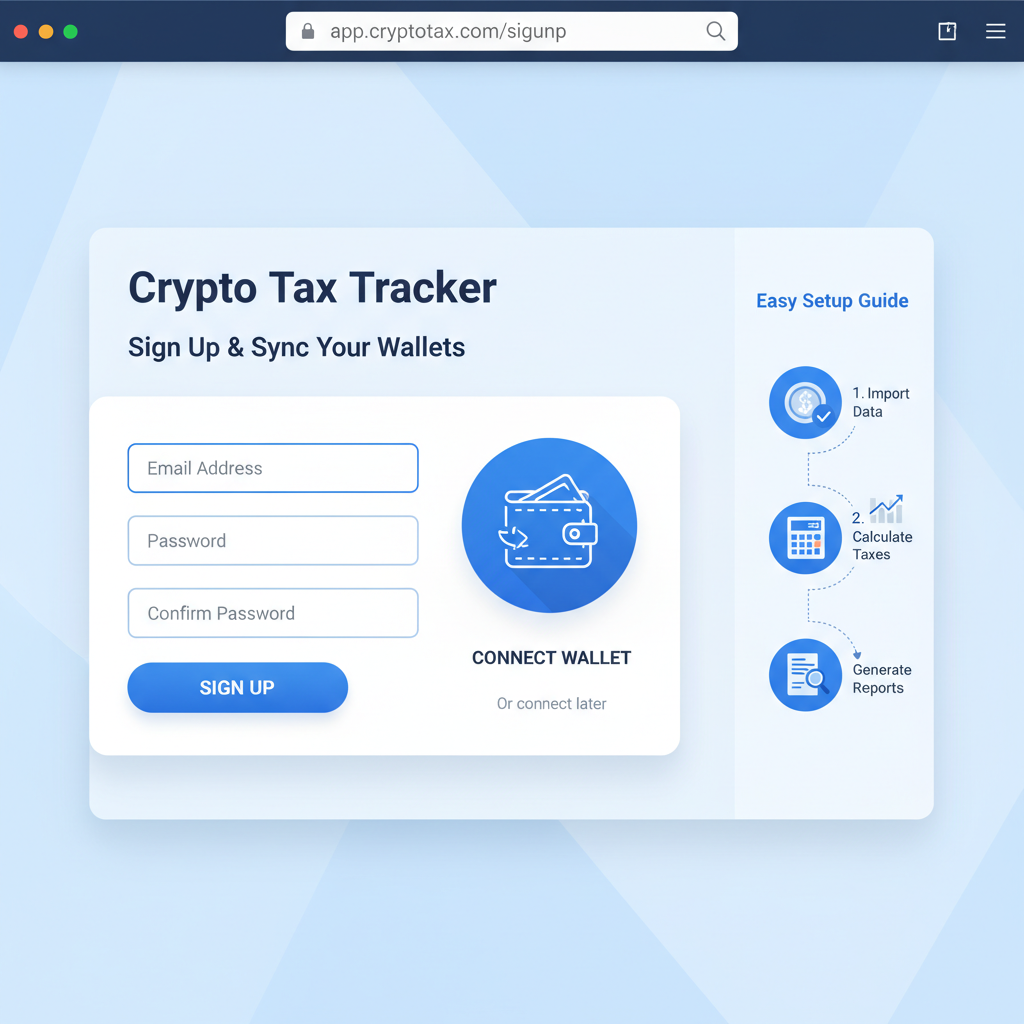
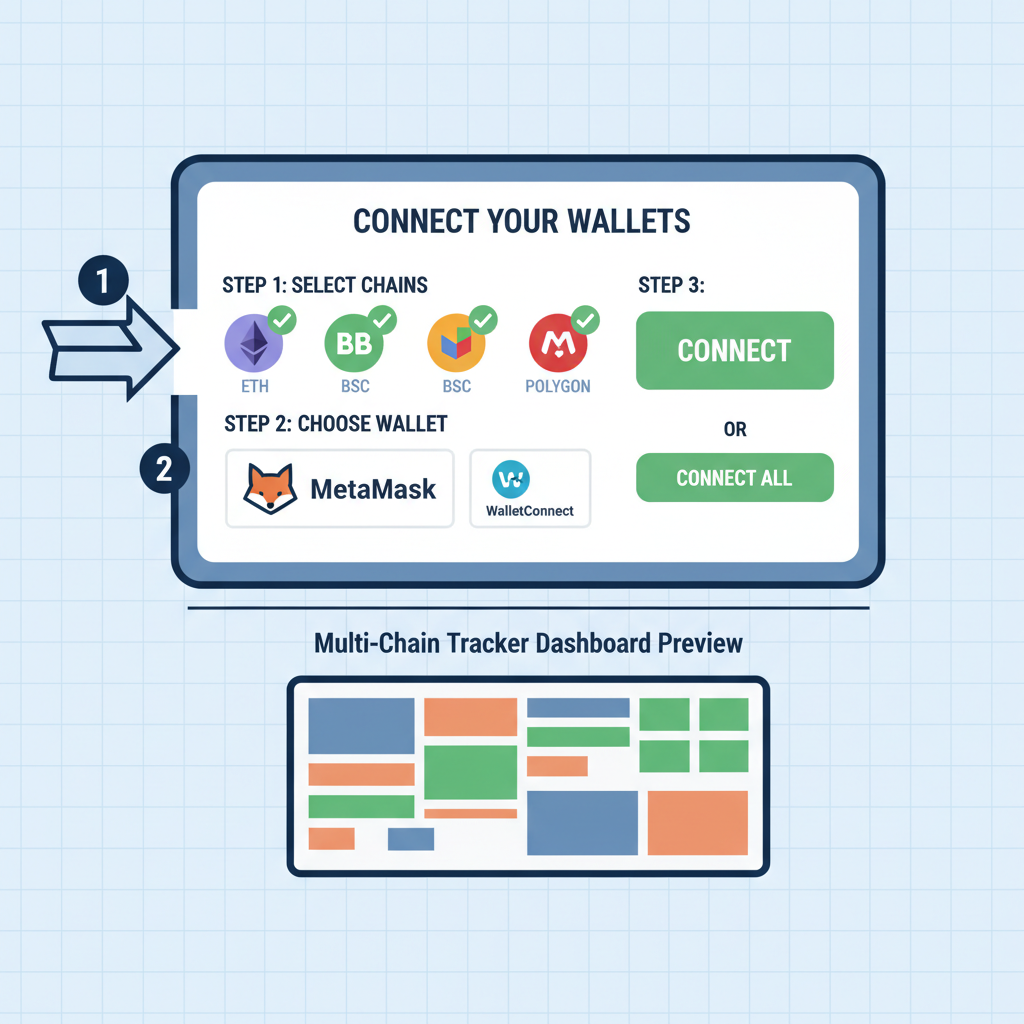
Set Up DefiTaxLots: Multi-Chain FIFO/LIFO Tax Lots & Real-Time PnL Tracking
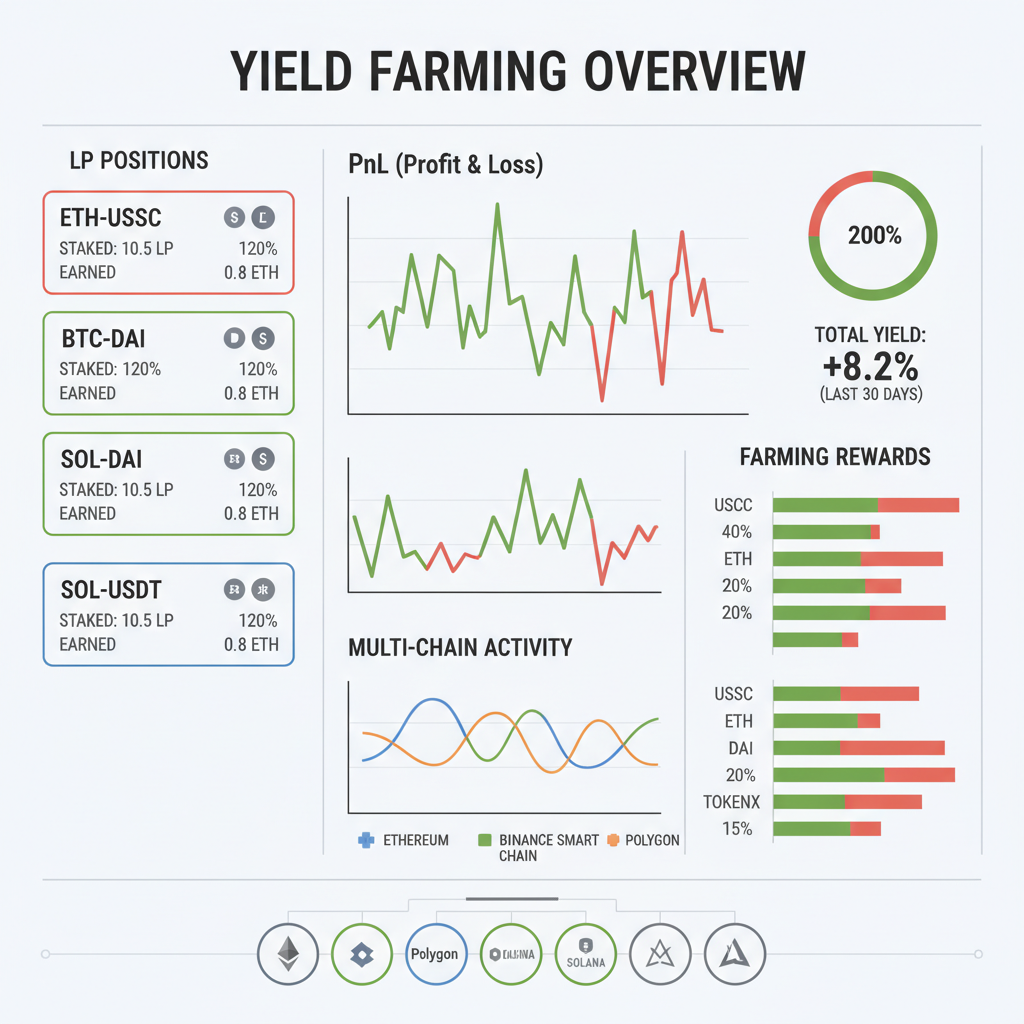
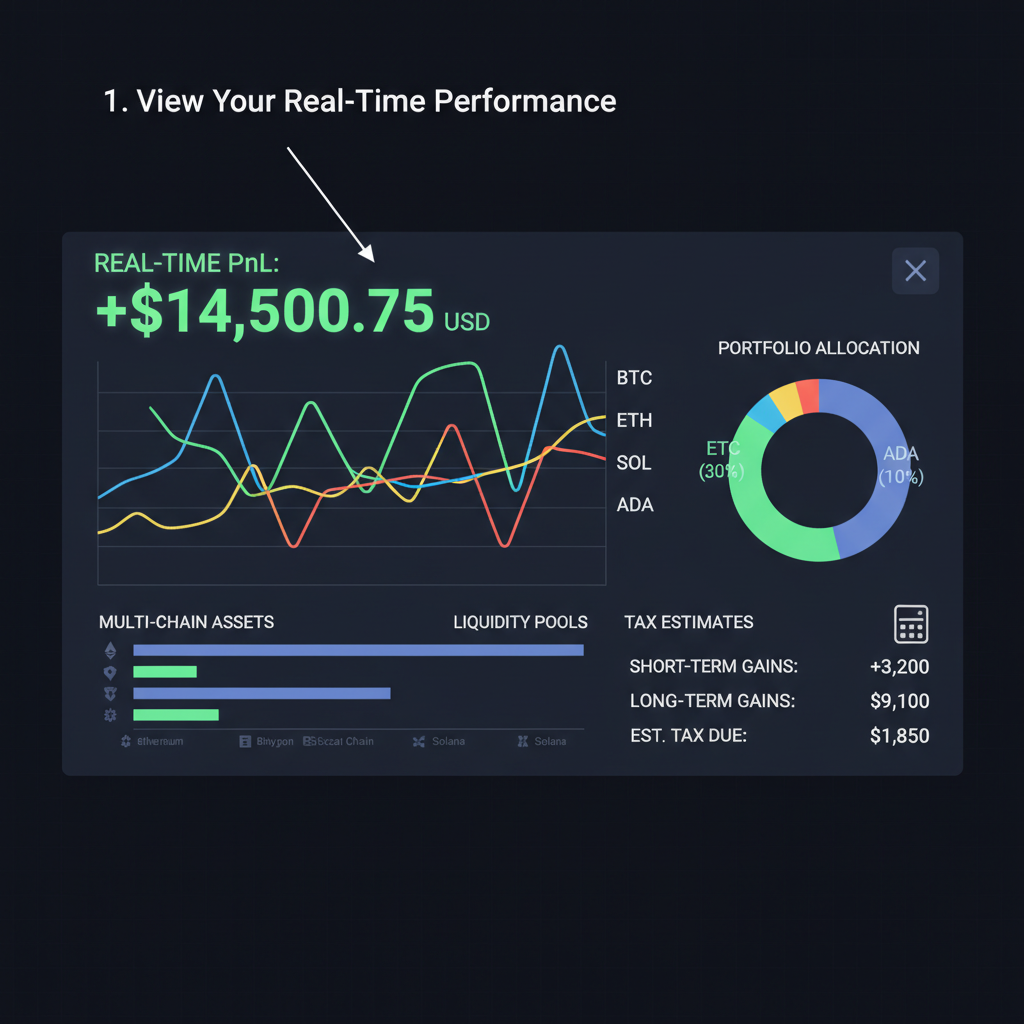
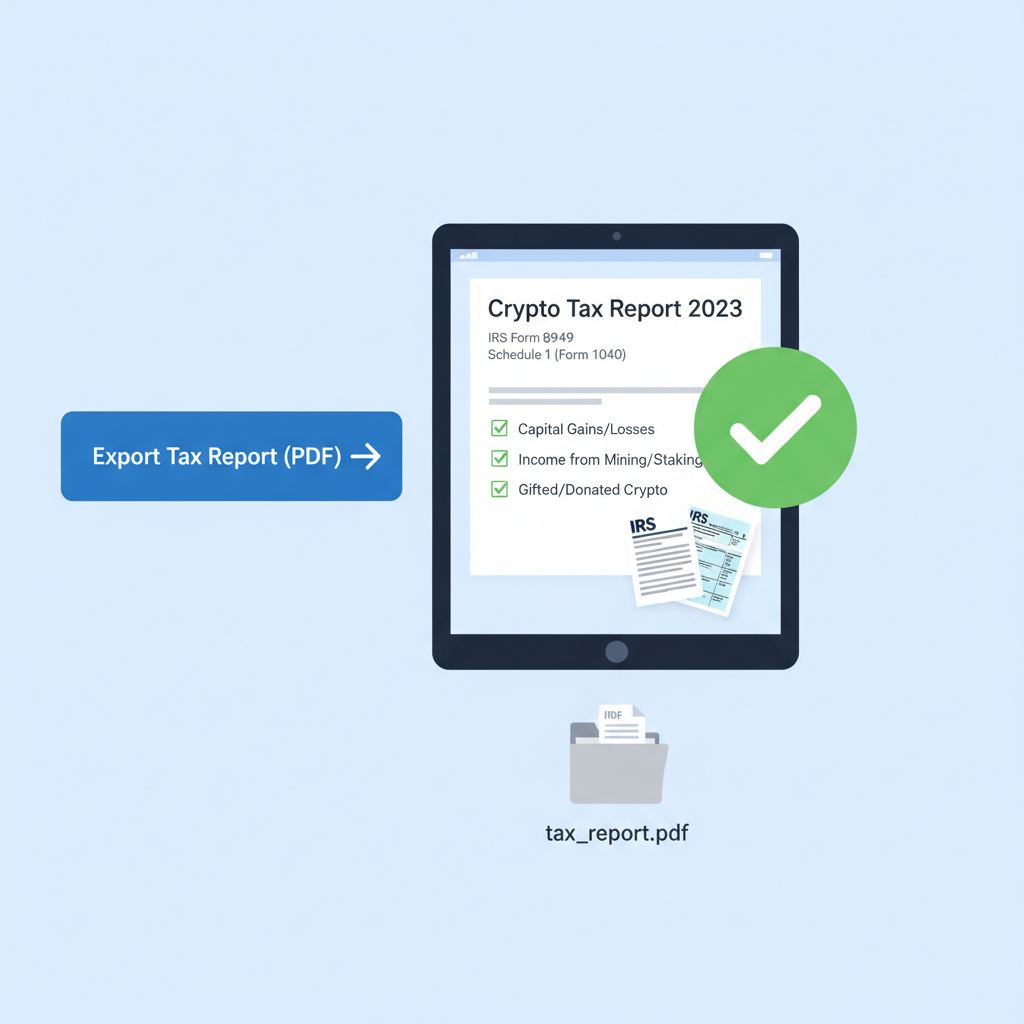
Slashdot's nod to Summ's 300,000-asset coverage impresses, but its Ethereum tilt ignores Solana's memecoin farms exploding in 2026. Hurawalhi's app roundup flags $49 reports for DeFi, yet none match DefiTaxLots' zero-lag multi-chain onchain PnL. Zerion's dashboard dazzles for balances; pair it with DefiTaxLots for tax armor.
2026 Compliance Edge: Tax Lot Optimization in Yield Meta
Form 1099-DA's February rollout amplifies self-directed power; pick lots per transaction to harvest losses against gains, a HIFO masterstroke in volatile farms. CryptoPotato's 2026 guide urges automation, but warns of DeFi blind spots like flash loans or sandwich attacks skewing basis. DefiTaxLots flags these anomalies, recalculating PnL with context-aware adjustments.
Panaprium's DeFi earner tools benchmark favors onchain natives; Kraken's relief methods primer stresses consistency across years. For aggressive farmers, LIFO in bears defers taxes; FIFO in bulls locks legacy low-basis sales. I chart reversals only when DefiTaxLots confirms post-tax convexity, turning compliance into alpha.
| Method | Bull Market Tax Hit | Bear Market Benefit | DeFi Example |
|---|---|---|---|
| FIFO | High (old low basis) | Low (older high basis) | Early ETH LP sold in harvest |
| LIFO | Low (recent high basis) | High (recent low basis) | Latest rewards unstaked first |
| HIFO/Specific ID | Minimal (cherry-pick) | Optimal offsets | Select loss lots for swaps |
Accountants via Cryptoworth lean on these for client portfolios, yet real-time trumps quarterly reconciliations. As chains proliferate, manual stacks from r/defi Notion docs fade; automated, precise tools prevail. DefiTaxLots equips you to farm yields without tax drag, aligning onchain reality with IRS ledgers. Charts signal entries; tax lots secure exits.


No comments yet. Be the first to share your thoughts!