

In the dynamic realm of decentralized finance, yield farming stands as a powerful engine for compounding returns, drawing savvy investors into protocols like Yearn Finance and Convex. These yield aggregators tirelessly shift assets across liquidity pools and vaults, chasing the highest APYs. But this automation breeds complexity when tax season arrives. Rewards accrue as ordinary income, swaps trigger capital gains, and auto-compounding blurs cost basis lines. For long-term holders, ignoring these nuances risks audits and penalties, underscoring the need for defi fifo automation to tame yield farming tax lots.
Consider a typical Yearn vault: you deposit USDC, it migrates to high-yield farms on Fantom or Arbitrum, harvesting tokens like CRV or FXS. Each harvest is taxable income at fair market value. Withdrawals or zaps compound the issue, layering new cost bases atop originals. Manual spreadsheets falter here; onchain data, immutable and precise, offers the antidote through automated FIFO tracking.
Unraveling Taxable Events in Auto-Compounding Strategies
Yield farming's allure lies in its hands-off nature, yet tax authorities view every reward as immediate income. The IRS, for instance, treats staking yields and liquidity incentives identically to interest. Auto-compounding vaults exacerbate this: reinvested rewards create layered positions, each with distinct acquisition dates and bases. FIFO dictates selling oldest lots first, aligning with chronological inflows but often inflating short-term gains during bull runs.
I've seen portfolios balloon from Yearn's v3 vaults on Ethereum, only for tax prep to reveal overlooked events. Airdrops from Convex boost ecosystem liquidity but add taxable income. Governance token claims? More layers. Without onchain yield taxes tools, reconciling EVM traces across chains like Polygon or Optimism becomes a herculean task.
Key Taxable Events in DeFi Yield Farming
- Rewards as Income: Yield farming rewards from protocols like Yearn Finance are taxed as ordinary income at fair market value when received.
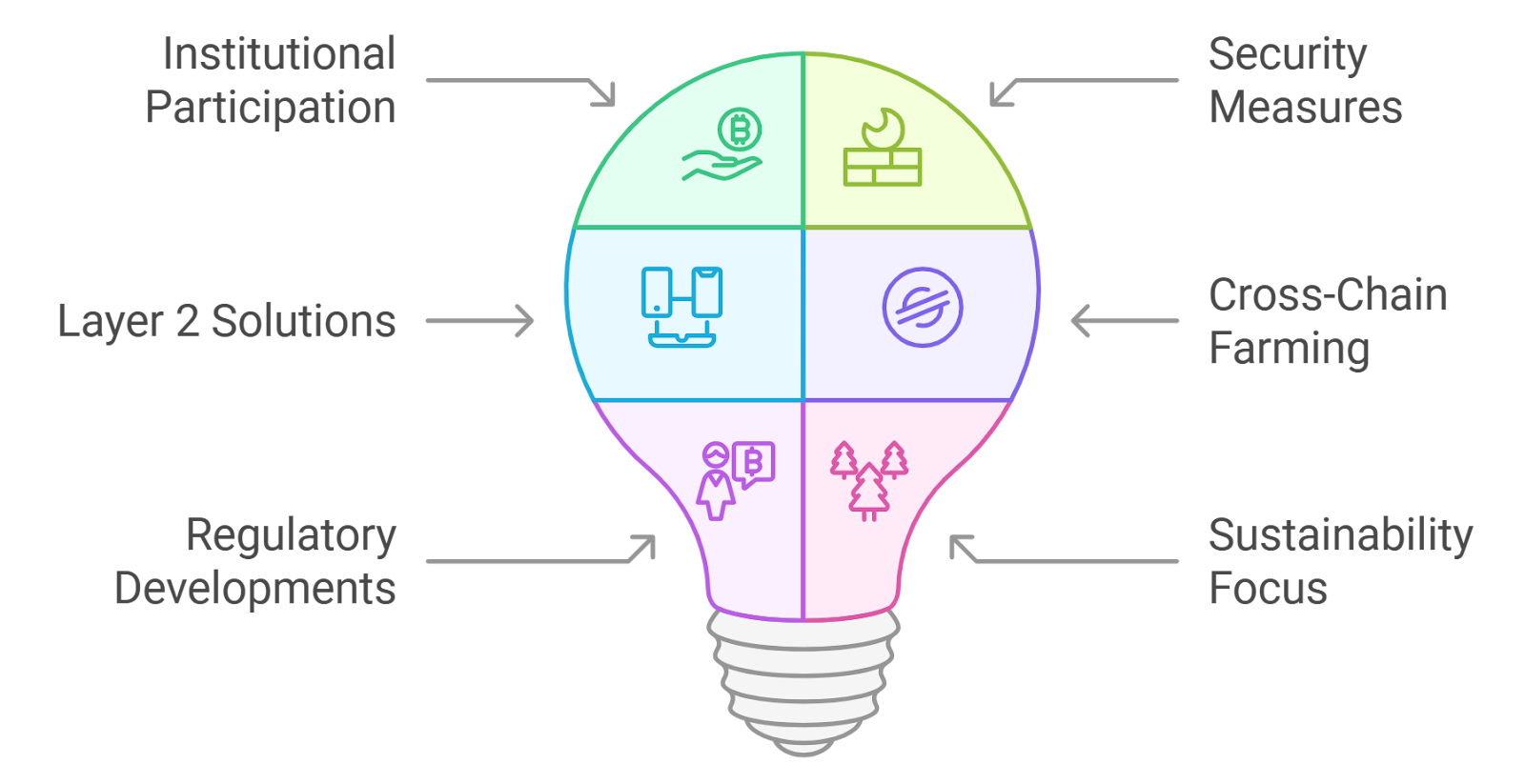
- Swaps for Capital Gains: Token swaps in liquidity provision or optimization trigger capital gains/losses based on cost basis vs. sale value.
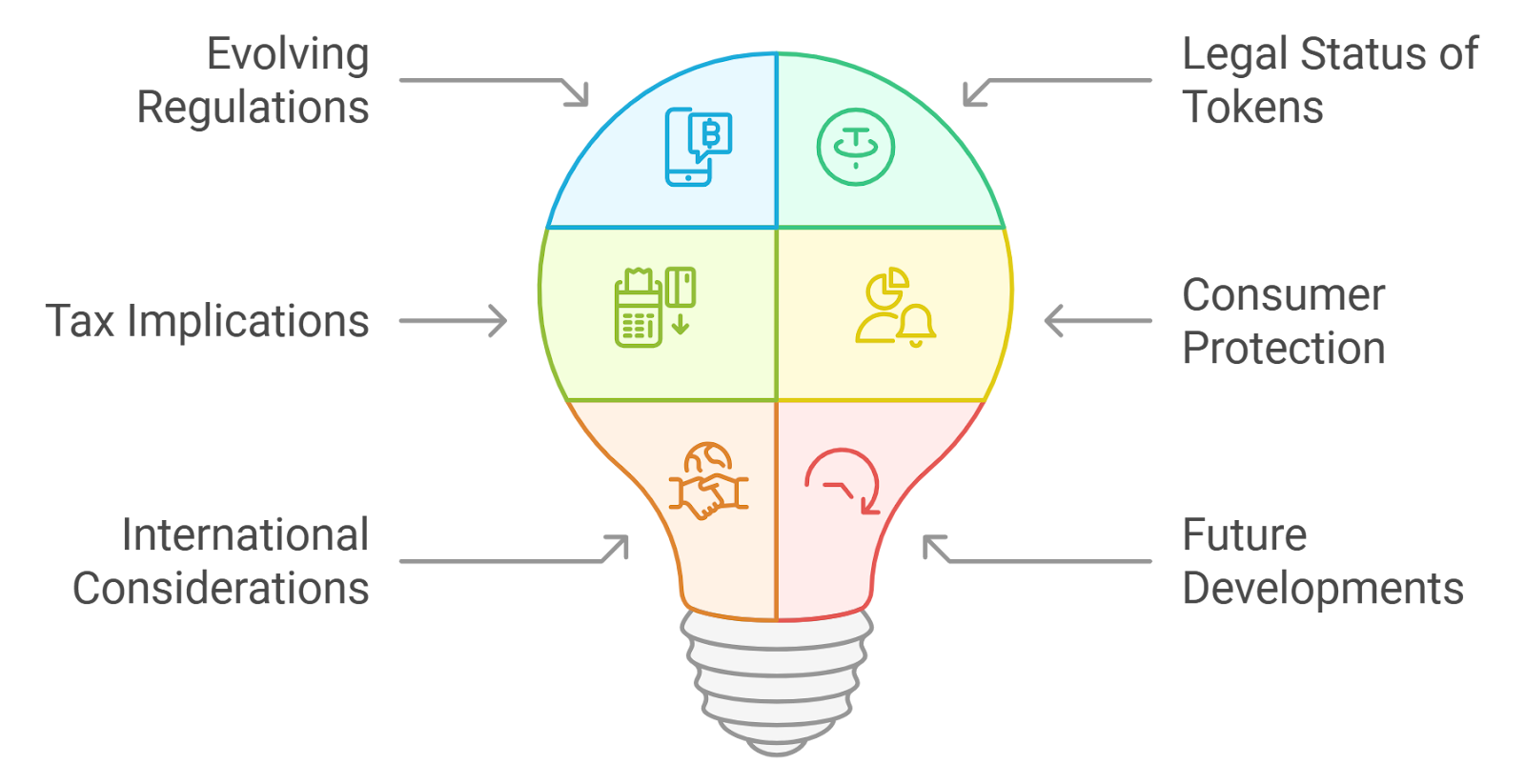
- Auto-Compounds Resetting Basis: Automatic reinvestments in vaults like Beefy or Yearn create income events and new cost basis for compounded positions.
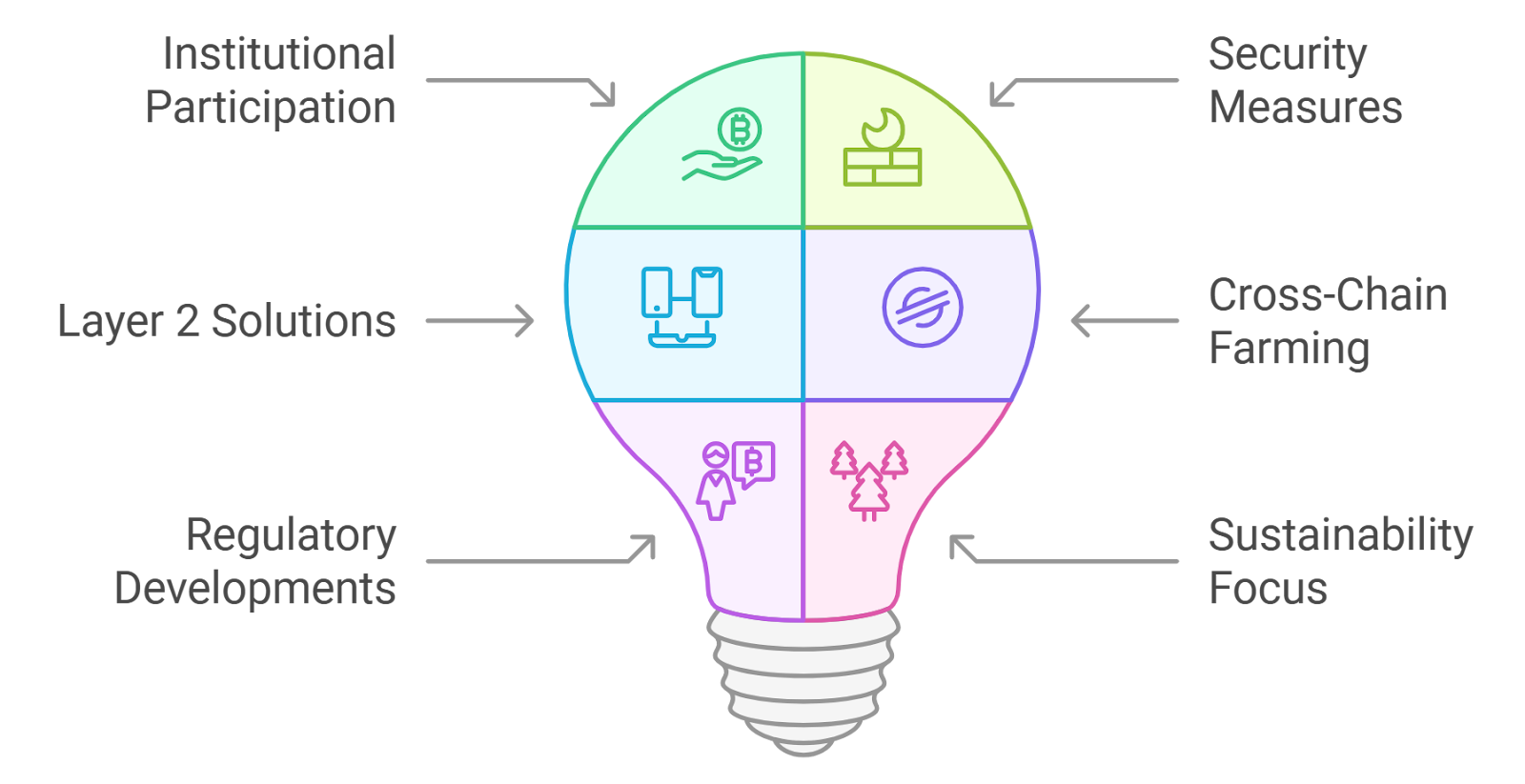
- Airdrops: Unsolicited airdrops of governance tokens from DeFi protocols are taxable as income at receipt fair market value.

- Liquidity Exits: Withdrawing from liquidity pools may realize capital gains/losses on the original deposit plus accrued rewards.
Why FIFO Prevails in Onchain Tax Lot Management
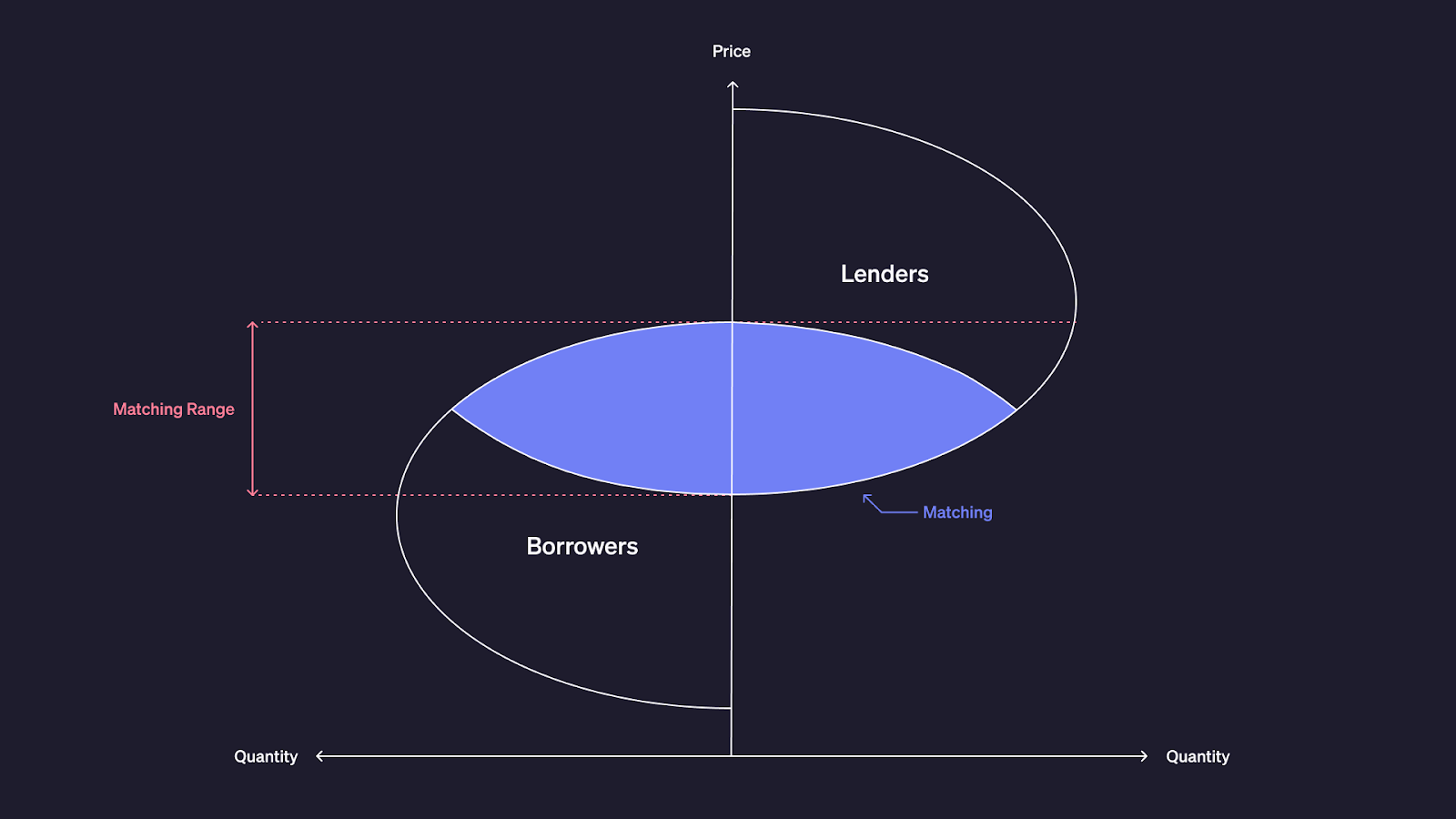
FIFO's appeal stems from its simplicity and default status in many jurisdictions. In DeFi, where transactions fragment across DEXes and bridges, onchain FIFO automation reconstructs lots from blockchain primitives: transfer logs, approval events, emission schedules. Platforms pulling raw data sidestep wallet aggregator pitfalls, delivering audit-grade reports.
Take Beefy Finance: cross-chain vaults compound hourly, generating hundreds of micro-transactions weekly. FIFO sequentially matches disposals to earliest acquisitions, preserving holding periods for qualified dividends where applicable. Contrast this with LIFO's recency bias, which suits volatile farms but invites scrutiny. As a fundamental investor, I favor HIFO for multi-year stacks to minimize liabilities, yet FIFO's transparency builds compliance muscle essential for cycles ahead.

DefiTaxLots. com excels here, indexing real-time PnL with FIFO precision across 20 and chains. Its engine decodes vault shares, attributes rewards to specific blocks, and visualizes lot waterfalls. No more reconciling subgraph queries or Dune dashboards; upload wallet, select method, export 1099 forms.
Integrating Yield Aggregators into Seamless Tax Workflows
Yearn's strategist rotations and Convex's CRV lockers amplify yields but multiply vectors. Harvest Finance auto-sells rewards into stables, crystallizing gains periodically. Idle Finance tiers risk-adjusted pools. Each demands granular tracking. DefiTaxLots bridges this by natively supporting aggregator contracts, auto-classifying emissions versus principal.
Fundamental analysis reveals patterns: high-APY farms often precede token dumps, pressuring FIFO gains. Yet holding through cycles, as I advocate, turns tax drag into strategic alpha. Automate yearn convex pnl today, and position for sustainable DeFi participation. Picture dashboards charting realized versus unrealized, lot ages color-coded, projections under varying methods. This isn't mere compliance; it's portfolio intelligence fueling better decisions.




No comments yet. Be the first to share your thoughts!