

In the ever-shifting sands of DeFi, where onchain PnL dances with regulatory tides, 2026 marks a pivotal turn for legal crypto tax avoidance. As a veteran watcher of stable yields and macro trends, I've seen traders chase short-term flips only to stumble on tax season pitfalls. True value, however, lies in measured strategies that align onchain PnL strategies with IRS compliance. With per-wallet tracking now law and FIFO looming mandatory, DeFi investors must pivot to FIFO LIFO optimization and beyond, using tools like DefiTaxLots. com for real-time tax lot precision.
Per-Wallet Cost Basis: The New DeFi Reporting Frontier
Starting January 1,2025, the IRS demands cost basis on a per-wallet basis, slicing through the old habit of pooling holdings across exchanges or self-custody setups. Each wallet becomes its own ledger, forcing DeFi traders to track swaps, liquidity provisions, and yields separately. This granularity hits yield farmers hardest; a Uniswap position in Wallet A can't offset losses from Wallet B's Aave stake without meticulous records. Yet, herein lies opportunity for DeFi tax minimization. By isolating high-basis lots per wallet, you set the stage for targeted sales that trim taxable gains. DefiTaxLots. com shines here, visualizing onchain PnL across chains in real time, ensuring no wallet slips through.
Comparison of FIFO vs LIFO vs Specific ID Cost Basis Methods (2026 IRS Rules)
| Method | Description | DeFi Pros | Tax Impact | Record-Keeping Needs | ||||||||||
|---|---|---|---|---|---|---|---|---|---|---|---|---|---|---|
| FIFO (First-In, First-Out) | Assumes oldest crypto assets are sold first. Mandatory from Jan 1, 2026, unless Specific ID used in real-time (per IRS rules). Tracks per-wallet basis from 2025. | Simple chronological matching suits onchain DeFi PnL tracking; less flexible for complex swaps/yield farming. | Often higher taxable gains in rising markets (short-term rates up to 37%); no choice of lots. | Moderate: Chronological order by wallet; software automates. | LIFO (Last-In, First-Out) | Assumes newest assets sold first. Eliminated post-2025; not allowed under 2026 IRS rules without Specific ID. | Matches recent high-cost DeFi entries (e.g., post-yield farming); useful for volatile onchain positions. | Potentially lower gains if recent buys at peaks; higher taxes if markets fall. | Moderate to high: Reverse chronological per wallet; detailed tx history needed. | Specific ID (Specific Identification) | Select specific units/lots sold (e.g., highest cost basis). Allowed in 2026 if identified at/before sale time. | Max flexibility for DeFi: Pick lots from liquidity pools, staking rewards; optimizes onchain PnL. | Lowest taxes: Minimize gains via high-basis selection; enables tax-loss harvesting. | High: Meticulous per-tx records (date, cost, wallet, ID at sale); IRS-compliant software essential. |
Overlooked wallets breed audit risks, but proactive tracking turns compliance into advantage. I've advised clients who, by wallet-specific auditing, uncovered hidden losses worth tens of thousands in offsets.
Mandatory FIFO from 2026: Resisting the Default with Precision
Come January 1,2026, FIFO becomes the IRS default for crypto unless you opt for Specific Identification at sale time. LIFO and HIFO, once favorites for minimizing gains in volatile DeFi, fade unless backed by ironclad, contemporaneous records. FIFO assumes oldest buys sell first, often inflating gains in bull runs where early low-basis coins exit. For onchain traders, this upends strategies; a 2021 ETH at $2,000 basis sells before your 2025 dip buy at $3,500, spiking short-term taxes on leveraged positions.
5 Steps for Spec ID FIFO/LIFO in DeFi
- 1. Real-Time Lot SelectionMeticulously identify and select specific crypto lots—prioritizing highest cost basis—via tax software right before DeFi trades to comply with IRS real-time Specific Identification rules, optimizing gains like LIFO/HIFO.
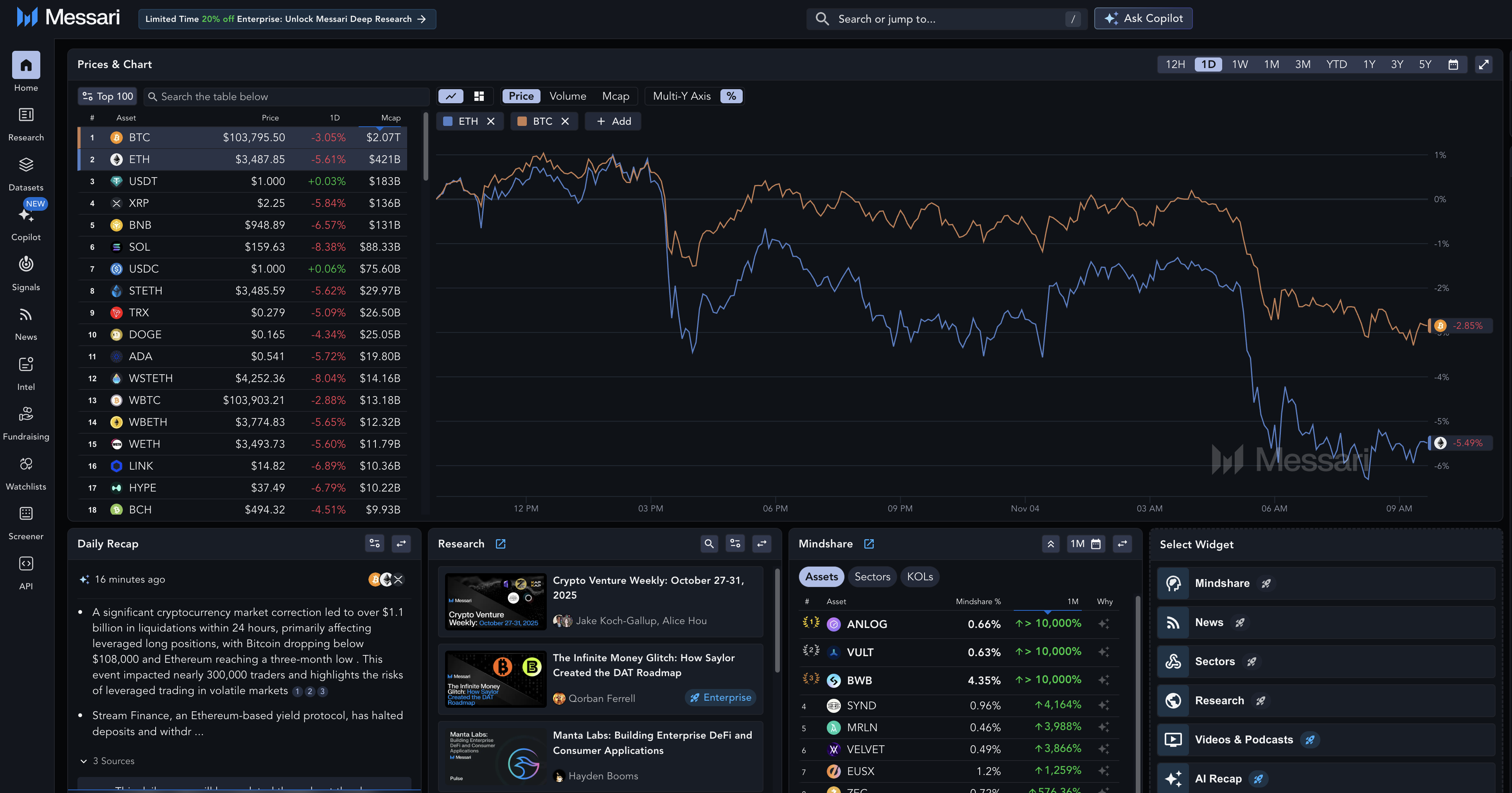
- 2. Wallet TaggingLabel each DeFi wallet distinctly in your tax platform to enforce per-wallet cost basis tracking, as required since 2025, preventing cross-wallet aggregation.
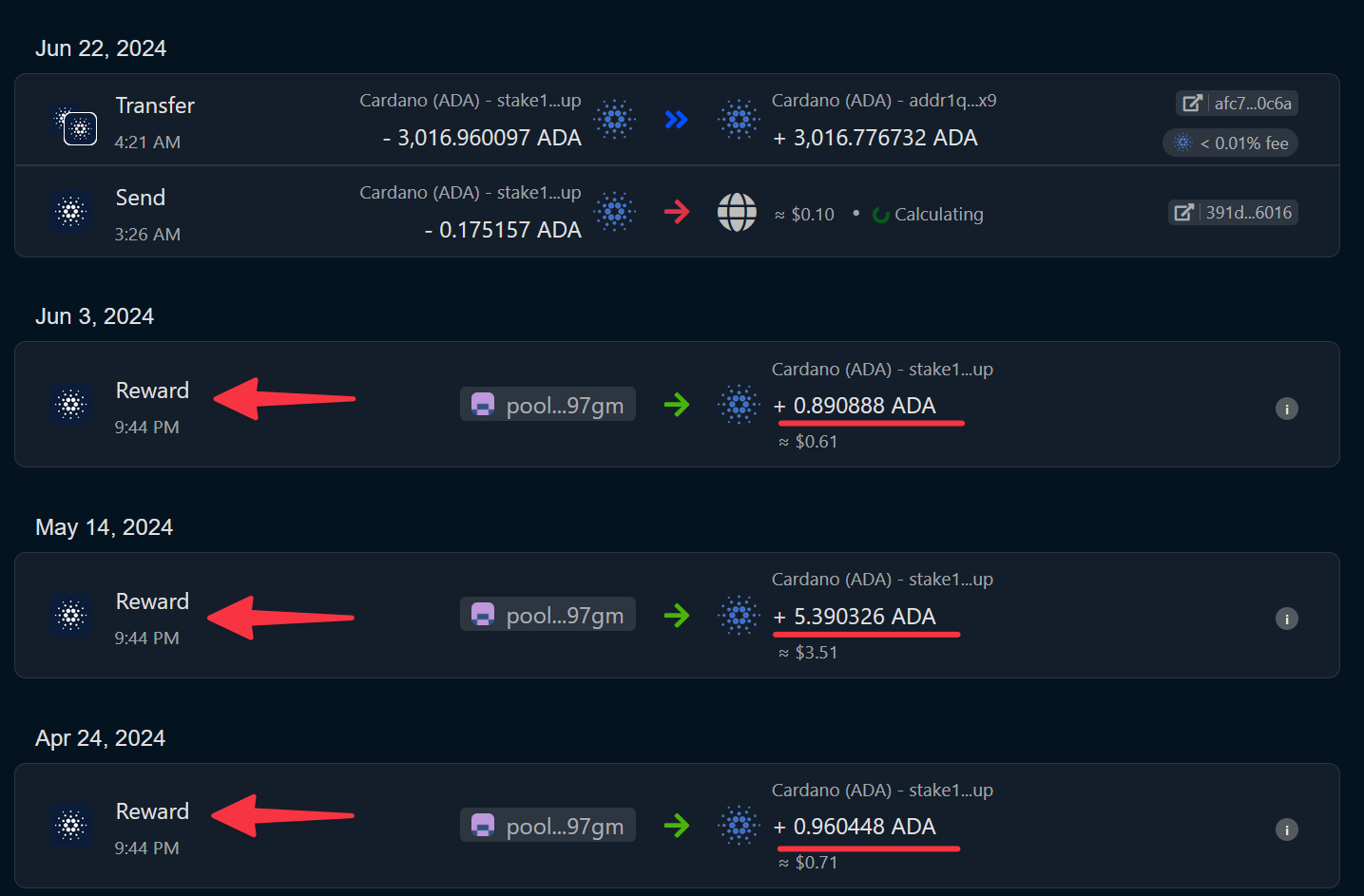
- 3. Software IntegrationConnect DeFi wallets like MetaMask to tools such as CoinLedger or CoinTracker for seamless onchain import and Spec ID support.

- 4. Sale DocumentationRecord precise lot details—purchase date, cost, tx hash—linked to each sale instantly, using software or blockchain explorers like Etherscan for verifiable onchain proof.
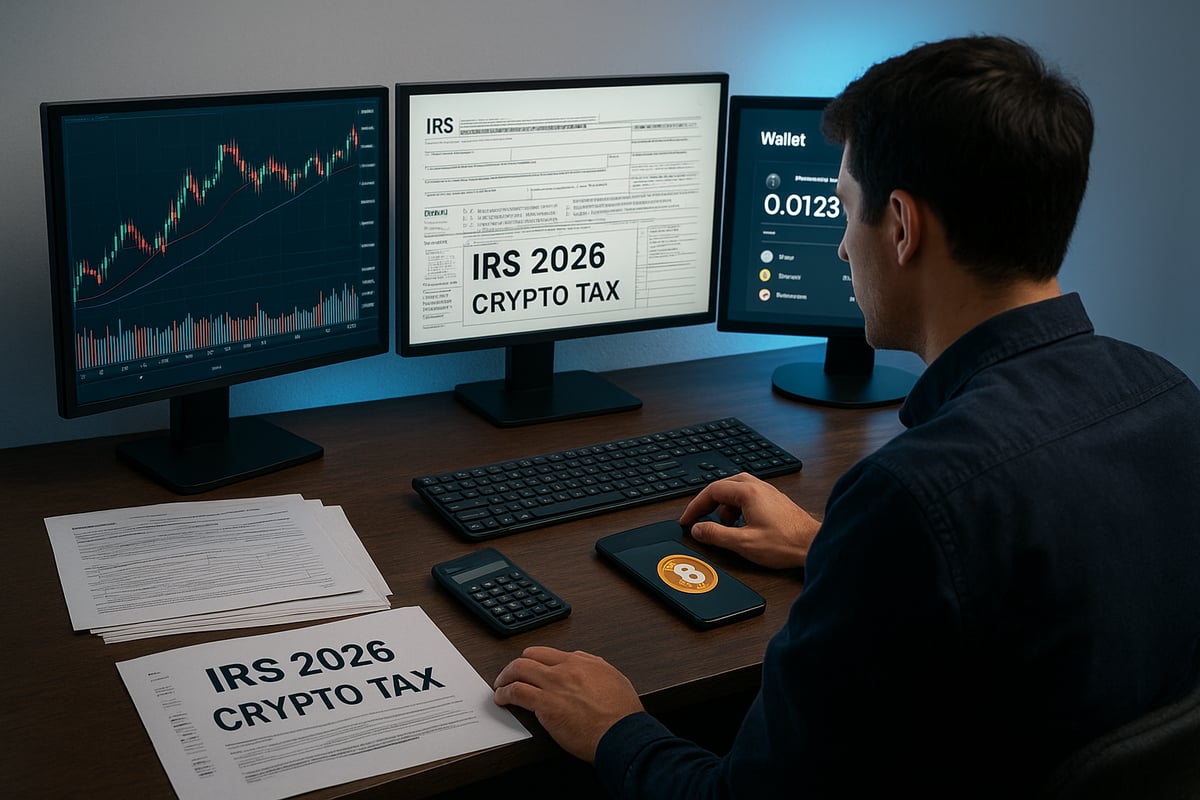
- 5. Audit PreparationGenerate detailed reports quarterly, archive tx histories, and engage a crypto tax attorney to fortify records against IRS scrutiny under 2026 FIFO mandates.

Resistance demands discipline. Specific ID lets you cherry-pick high-basis lots, mimicking HIFO's edge legally. Pair this with DefiTaxLots. com's FIFO/LIFO simulators, and you forecast tax hits before bridging to CEX for fiat ramps. My experience with commodities echoes this: patience in basis selection yields compounded returns, tax-adjusted.
Tax-Loss Harvesting in DeFi: Harvest Wisely
With wash-sale rules sidelined for crypto, tax-loss harvesting remains a cornerstone of DeFi tax tracker global playbooks. Sell underwater LP tokens or perps at year-end, claim losses against gains, then reposition via new wallets or chains. The IRS eyes 'economic substance, ' so space repurchases 31 and days or alter strategies genuinely; no mere round-trips. In DeFi's sprawl, harvest across protocols: dump a fading memecoin bag to offset BTC yields, all while monitoring onchain PnL for macro alignment.
Consider a trader with $50k unrealized losses in a Solana DEX position amid ETH longs. Harvesting not only zeros the gain but carries forward $3k annual deduction against ordinary income. DefiTaxLots. com automates this, flagging harvest candidates with FIFO projections. Yet, temper enthusiasm; over-harvesting fragments liquidity, a lesson from my stable yield days where preservation trumped aggressive cuts.
Holding periods amplify this. Stretch sales past 365 days for long-term rates at 0-20% versus short-term's 37% top bracket. DeFi's perpetual yields tempt churn, but strategic HODL on blue-chips aligns PnL with lower taxes. We've only begun unpacking 2026's toolkit; next, donations and gifting refine the edge.
Charitable giving offers a dual boon in this regulatory squeeze, sidestepping capital gains entirely while claiming deductions at fair market value. Picture unloading appreciated UNI tokens from a 2024 yield farm; donate directly to a qualified charity, and the IRS treats it as a sale at zero gain, plus a deduction up to 30% of adjusted gross income. DeFi's onchain transparency aids verification, with tools like DefiTaxLots. com exporting donation proofs tied to specific tax lots. I've seen conservative investors parlay this into multiyear offsets, preserving family wealth without the tax drag that erodes compounded yields.
Gifting Crypto Assets: Family Wealth Transfer Under the Radar
The 2026 annual gift exclusion sits at $18,000 per recipient, a clean vehicle for shifting DeFi positions to heirs in lower brackets. Transfer low-basis ETH from your wallet to a child's, letting them realize gains at their 10-15% long-term rate versus your 20%. Per-wallet rules complicate this slightly, requiring separate tracking post-gift, but Specific ID preserves basis integrity. Avoid aggregation pitfalls by documenting intent and FMV at transfer. In my commodities tenure, similar gifting preserved generational capital amid volatility; apply it here to DeFi tax minimization, ensuring onchain PnL flows tax-efficiently across estates.
2026 Tax Strategies Comparison for DeFi
| Strategy | Tax Savings Potential | IRS Compliance Risk (Low/Med/High) | Best For |
|---|---|---|---|
| Tax-Loss Harvesting | High - Offset gains dollar-for-dollar | Medium | Investors with losses to offset gains |
| Charitable Donations | High - Avoid capital gains + FMV deduction | Low | Philanthropic holders of appreciated assets |
| Gifting | Medium - $18,000 annual exclusion per recipient | Low | Family wealth transfer to lower tax brackets |
| Long-Term Holding | Medium - Lower LTCG rates (0-20%) | Low | Buy-and-hold HODLers |
| Specific ID | High - Choose high-cost basis lots to minimize gains | Medium | Record-keepers avoiding FIFO mandate |
Layer these with protocol-specific maneuvers. In lending markets like Aave, withdraw collateral at optimal basis points to trigger losses, then redeploy. Liquidity pools demand scrutiny; impermanent loss harvesting pairs with FIFO projections to net deductions. Yet wisdom tempers haste: over-optimization invites scrutiny, echoing stable yield cycles where excess churn diluted true alpha.
Onchain Tools for Sustainable FIFO LIFO Optimization
DefiTaxLots. com emerges as the linchpin for legal crypto tax avoidance 2026, rendering per-wallet chaos into actionable intelligence. Real-time onchain PnL across EVM chains flags high-basis lots for Specific ID, simulates FIFO versus LIFO scenarios, and auto-generates audit-ready reports. No more Excel drudgery; visualize tax lots by acquisition date, protocol, and yield source. For global DeFi tax tracker needs, it bridges multichain complexity, projecting liabilities before year-end rushes. Clients leveraging such platforms cut reporting time by 70%, freeing focus for macro alignments over micro-trades.
Strategic foresight defines enduring investors. As FIFO enforces discipline, embrace Specific ID's precision, harvest judiciously, and gift with purpose. Align DeFi maneuvers with long horizons, where tax efficiency amplifies onchain PnL strategies into lasting value. DefiTaxLots. com equips you for this era, turning regulatory hurdles into measured advantage.




No comments yet. Be the first to share your thoughts!