
What changed in DeFi tax reporting 2026
The landscape for decentralized finance compliance shifted dramatically for the 2026 tax season. The most significant development is the repeal of the proposed DeFi broker rule, which would have required decentralized exchanges to automatically report user transactions. Instead, the IRS has moved toward a framework of self-reporting, placing the burden of accurate record-keeping squarely on the taxpayer.
To support this shift, the IRS introduced Form 1099-DA. This new form is designed to capture transactions involving digital assets, but its effectiveness relies heavily on centralized exchanges and custodial services providing data. For activity occurring on non-custodial DeFi protocols, no third-party broker is generating this data. Consequently, you are responsible for tracking every trade, swap, and liquidity provision event yourself.
Warning: The absence of a broker does not mean the absence of tax liability. Under current IRS guidance, certain DeFi activities are not subject to broker reporting but remain fully taxable. You must report income from airdrops, forks, and staking rewards at their fair market value upon receipt.
This transition eliminates the safety net of automated reporting. Without centralized intermediaries flagging your gains and losses, the risk of underreporting increases significantly. Accurate lot tracking using methods like FIFO, LIFO, or Specific ID is no longer just a best practice—it is a legal necessity to withstand potential IRS scrutiny.
FIFO, LIFO, and Specific ID compared
The IRS requires you to track the cost basis of every digital asset sale. In DeFi, where a single transaction might involve multiple swaps and liquidity pool interactions, choosing the correct tax lot accounting method is critical. The three primary methods—First-In, First-Out (FIFO), Last-In, First-Out (LIFO), and Specific Identification—dictate which tokens are deemed sold first, directly impacting your taxable gain or loss.
For most DeFi users, the choice is not merely a preference but a compliance necessity. While FIFO is the default assumption for many exchanges, Specific Identification offers the most precision. LIFO is generally discouraged in the current market environment. Understanding the mechanics of each method helps you avoid unexpected tax liabilities during bear markets or volatile yield farming periods.
The table below outlines the core differences between these methods. Note that while FIFO is the standard for many reporting software, Specific ID is often the only way to accurately capture losses from complex DeFi strategies like impermanent loss or failed liquidity provision.
| Method | Cost Basis Used | Tax Impact | Record-Keeping |
|---|---|---|---|
| FIFO | Oldest acquired tokens | Higher gains in bull markets; lower in bear markets | Low – Automated by most exchanges |
| LIFO | Newest acquired tokens | Higher gains in bull markets; lower in bear markets | High – Manual tracking required |
| Specific ID | Identified individual tokens | Optimized for tax minimization | High – Requires detailed transaction logs |
FIFO assumes the oldest tokens are sold first. In a rising market, this results in lower cost bases and higher taxable gains. LIFO assumes the newest tokens are sold first, which can be advantageous if you are selling tokens that have appreciated significantly, though it is rarely supported natively by DeFi protocols. Specific Identification allows you to choose exactly which lot is sold, providing the greatest flexibility but requiring rigorous record-keeping.


As an Amazon Associate, we may earn from qualifying purchases.
The decision between these methods should align with your trading frequency and market outlook. If you are a high-frequency DeFi trader, Specific ID is the only method that can accurately reflect the tax implications of complex yield farming strategies. For passive investors, FIFO may suffice, but only if your exchange reports it correctly. Always consult a tax professional before finalizing your DeFi tax strategy.
How AI tools track DeFi tax lots automatically
The IRS requires precise identification of tax lots to determine cost basis and capital gains. Manual tracking is no longer viable for DeFi users. A single wallet may hold positions across dozens of protocols, generating thousands of transactions. These include swaps, liquidity pool deposits, staking rewards, and airdrops. Each event must be matched to the correct acquisition date and price. Errors here lead to incorrect filings and potential audits.
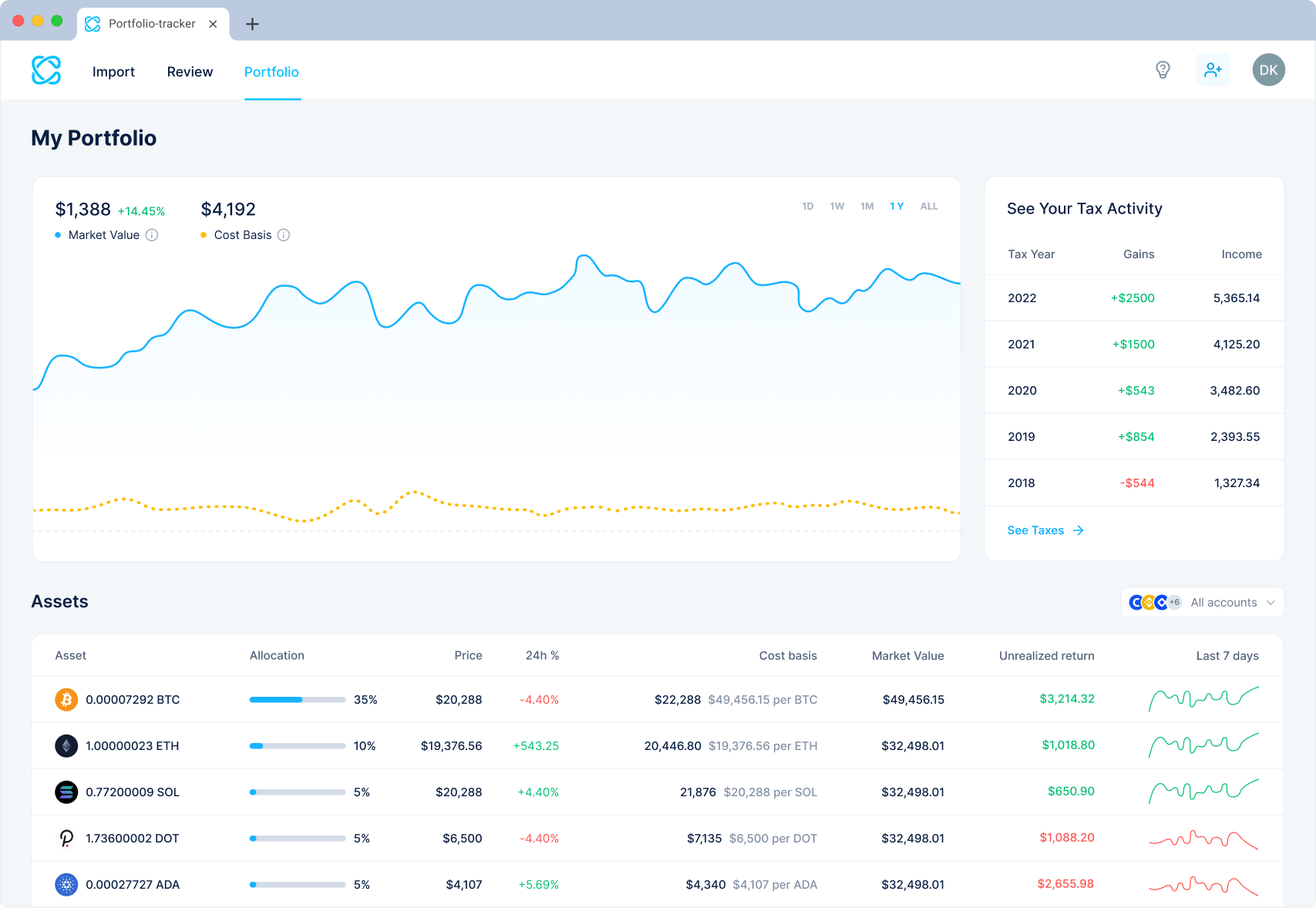
AI-driven tax software solves this complexity by ingesting blockchain data directly. These tools connect to your wallet address and automatically categorize every transaction. They apply the tax lot method you choose—FIFO, LIFO, or Specific ID—consistently across all chains. The system reconciles internal transfers and identifies wash sales without human intervention. This automation ensures your cost basis calculations align with 2026 regulatory standards.
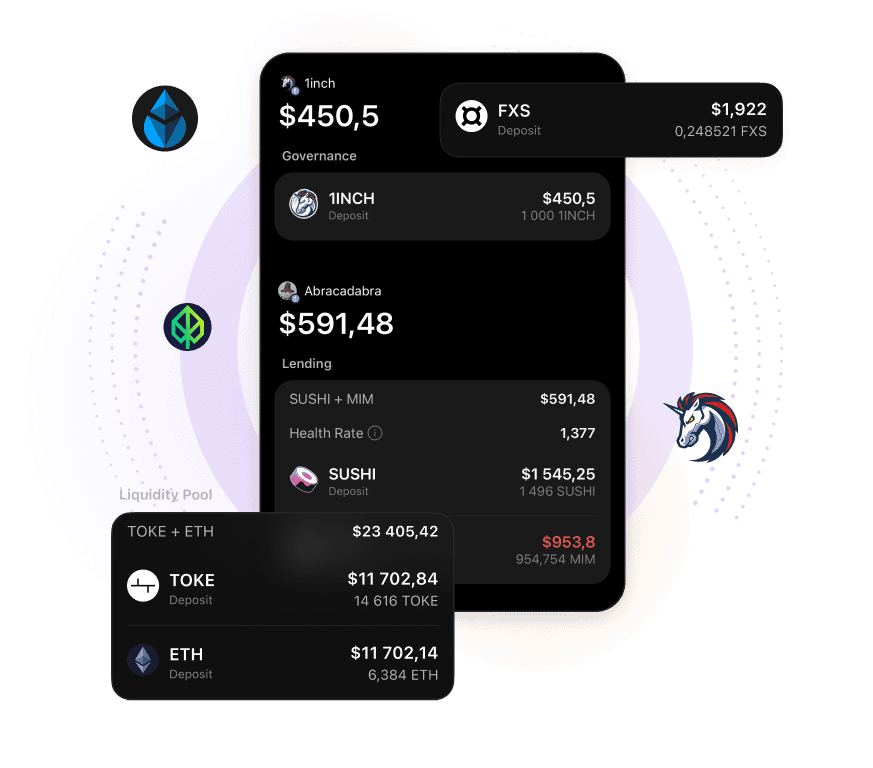
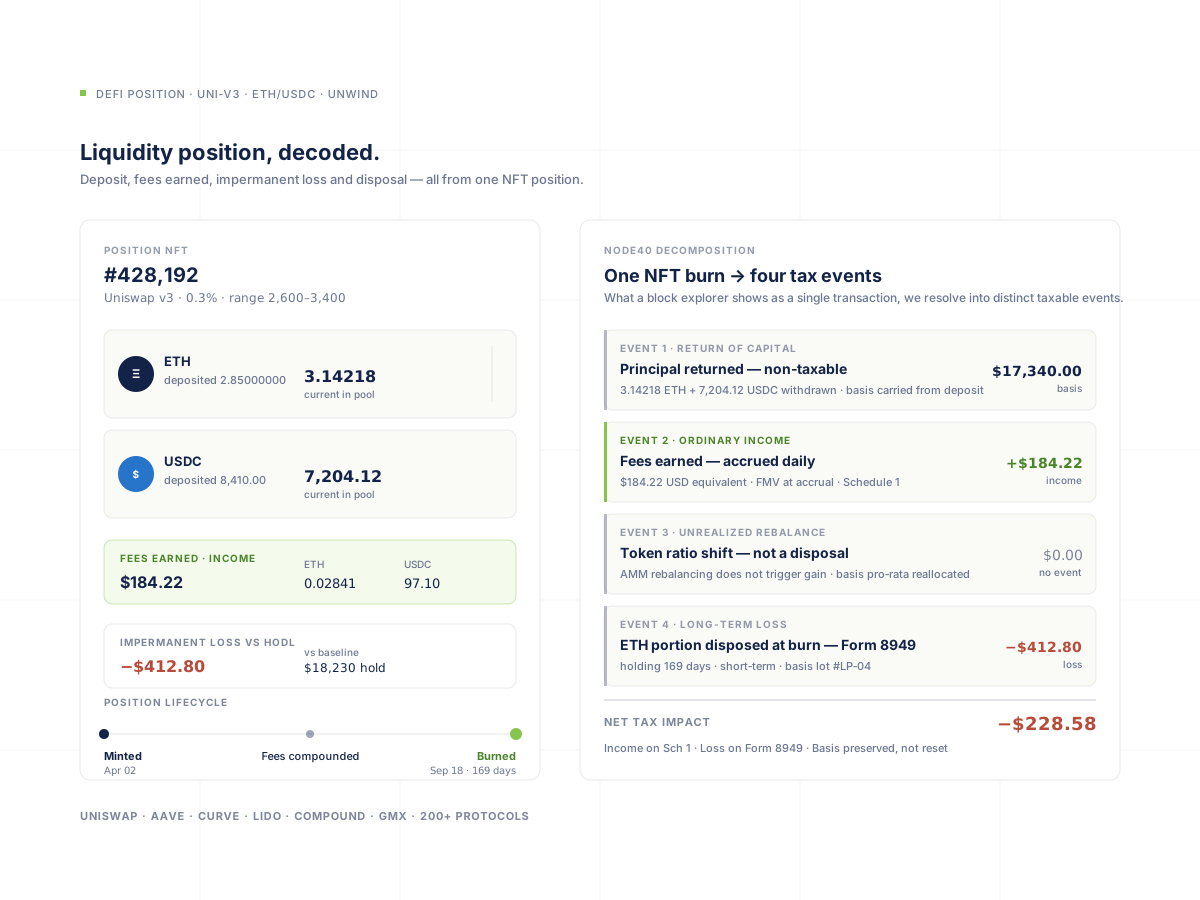
For example, when you provide liquidity to a Uniswap pool, the AI tracks the underlying token composition. It records the initial deposit, any additional contributions, and the eventual withdrawal. It also calculates taxable events from yield farming rewards and governance token distributions. The software handles the intricate math of impermanent loss and LP token swaps, which manual spreadsheets cannot manage accurately.
The accuracy of these tools depends on their ability to interpret on-chain data correctly. Leading platforms use advanced heuristics to distinguish between taxable events and non-taxable transfers. They also update their logic as new DeFi protocols emerge. This dynamic adaptation is critical for compliance in a rapidly evolving market.

For context on how market volatility impacts the value of these tracked positions, consider the price movement of Ethereum, the primary asset for most DeFi activity.
Yield Farming and Staking Tax Implications
The IRS treats yield farming rewards and staking income as ordinary taxable income at the moment you gain control of the tokens. This event triggers a fair market value calculation based on the token’s price at that specific time. You must report this amount as income, regardless of whether you hold the asset or sell it immediately. This valuation becomes your cost basis for future capital gains calculations.
Staking rewards follow this same principle. When you receive new tokens from validation or delegation, they are taxable income. If you use a DeFi platform to provide liquidity and earn fees or governance tokens, those rewards are also ordinary income upon receipt. The tax code does not distinguish between "passive" and "active" earnings in this context; receipt equals liability.
Liquidity pool (LP) tokens present a more complex scenario. Providing liquidity is often viewed as a non-taxable event until you withdraw or swap out of the pool. However, any additional tokens earned as yield while in the pool are taxable income as they accrue. It is critical to track the cost basis of your initial deposit and every reward token separately to avoid errors when calculating gains upon exit.
The table below summarizes the tax treatment for common DeFi activities:
Because DeFi protocols often distribute rewards in volatile assets, the timing of receipt can significantly impact your tax liability. Failing to report these income events can lead to penalties, as the IRS has explicitly stated that virtual currency transactions are subject to general tax principles, including those for income from mining and staking. Always record the date, time, and value of every reward token received.
Checklist for compliant DeFi tax reporting
Tax compliance for DeFi transactions requires a disciplined workflow. The introduction of Form 1099-DA shifts the burden of proof to the taxpayer. Use this checklist to verify your lot tracking and income reporting before filing.
Aggregate every active wallet and exchange account into your tax software. Ensure the tool supports the specific lot identification method you intend to use. Missing a single source creates gaps that IRS matching algorithms will flag.
Choose between FIFO, LIFO, or Specific ID. Specific ID requires precise transaction tagging. If you cannot prove which tokens were sold, default to FIFO. Document your consistent choice in your records.
Free tokens from airdrops or blockchain forks are taxable income at receipt. Many investors fail to report these because they didn't actively acquire them. Record the fair market value at the time of receipt to establish your cost basis.
Compare your calculated gains against the new Form 1099-DA. Reconcile any discrepancies between your internal records and exchange reports. Unreconciled differences increase the likelihood of an audit notice.
Maintaining accurate records is not optional. Treat your tax data with the same rigor as your private keys.
Frequently Asked Questions About DeFi Tax Lots
Crypto tax reporting is shifting from general estimates to strict lot identification. The 2026 landscape requires precise tracking of acquisition dates, costs, and disposal methods to comply with new IRS mandates.
No comments yet. Be the first to share your thoughts!