

India DeFi Tax Tracking Challenges 2026: Onchain PnL FIFO LIFO Solutions

In the volatile world of DeFi, Indian traders are navigating a tax minefield in 2026. With a flat 30% tax on virtual digital asset gains and no ability to offset losses, compliance feels like chasing shadows across blockchains. Authorities admit they’re struggling to track these borderless flows, pushing savvy users toward onchain PnL tools that handle FIFO and LIFO lot tracking with precision.

India’s Tax Squeeze on DeFi Profits
The Income Tax Department’s recent warnings paint a stark picture: DeFi and anonymous wallets are making crypto tax tracking India a nightmare. Despite the 1% TDS on transfers, cross-border platforms and private wallets bypass traditional oversight. PANews reports highlight how officials told lawmakers that crypto skips banks entirely, rendering conventional methods useless. This isn’t hyperbole; it’s a systemic gap that’s driving activity offshore.
Strategic traders know the risks. Penalties for misreporting now include hefty fines, and with mobile and email verification mandatory on compliant exchanges, anonymity is eroding fast. Yet DeFi’s appeal – high yields from liquidity pools and leverage – persists. The catch? Calculating gains accurately amid thousands of micro-transactions across chains like Ethereum and Solana.
India’s Crypto Tax Framework 2026: Key Features & DeFi Challenges
| Feature | Details | DeFi Challenge |
|---|---|---|
| Tax Rate | 30% flat on VDA gains | Onchain PnL tracking via FIFO/LIFO complicated by anonymity |
| TDS | 1% on all transfers | Cross-border DeFi txns hard to monitor (Binance, Longbridge) |
| Loss Offset | None permitted | No relief for volatile DeFi losses; increases burden |
| Penalties | Fines for non-reporting | Enforcement risks amid offshore migration (Bitget, MEXC) |
| Tracking Hurdles | Onchain anonymity | Tax authorities warn of major compliance gaps (PANews, CryptoRank) |
Without proper tools, you’re exposed. I’ve seen portfolios unravel not from market dips, but from audit surprises. Risk management starts with visibility: real-time DeFi PnL onchain tracking turns chaos into clarity.
DeFi’s Anonymity: A Double-Edged Sword for Compliance
Picture this: you swap tokens in a Uniswap pool via MetaMask, no KYC, no central ledger. Indian officials, per Brave New Coin and Bitget sources, flag this as the core threat to tax collection. Unlike banked fiat, onchain moves leave public trails – but decoding ownership and cost basis? That’s the rub.
Enter FIFO and LIFO for FIFO LIFO India crypto. FIFO assumes oldest assets sell first, aligning with conservative accounting; LIFO flips it for recent buys, potentially optimizing short-term trades. But manually applying these to DeFi? It’s a strategist’s worst dream – prone to errors, especially with airdrops, staking rewards, and flash loans muddying lots.
Authorities’ frustration is palpable. CryptoRank notes the CBDC’s assessment of ‘unstoppable digital asset risks, ‘ where borderless DeFi defies jurisdiction. 99Bitcoins echoes: private wallets mimic cash, hard to trace. For Indian users, this means proactive defense: platforms that aggregate wallet data, compute lots automatically, and spit out audit-ready reports.
Onchain Tools Bridge the Enforcement Gap
As migration to offshore exchanges accelerates, tools like DefiTaxLots. com emerge as lifelines. They scan multiple chains, tag tax lots with FIFO/LIFO precision, and visualize PnL in real-time. No more spreadsheets; just compliant DeFi tax reports that stand up to scrutiny.
Consider a typical DeFi trader: ETH farmed into USDC, swapped for BTC, staked elsewhere. Each step spawns gains taxable at 30%. Without onchain reconciliation, you’re guessing cost basis. Strategic hedging demands better – lot trackers that factor volatility, support multi-wallet imports, and flag high-risk positions.
I’ve designed strategies around this: monitor unrealized PnL to time exits pre-tax year-end, minimizing exposure. In 2026’s landscape, ignoring these isn’t risk tolerance; it’s recklessness. The government’s signal is clear – adapt or face penalties.
DefiTaxLots. com stands out in this arena, tailored for DeFi’s complexities. It pulls onchain data from wallets across Ethereum, Solana, and beyond, applying FIFO or LIFO to every swap, yield farm, and bridge transfer. Real-time PnL dashboards reveal tax liabilities before they crystallize, letting you hedge positions strategically amid volatility.
Strategic Lot Tracking: FIFO vs LIFO in Practice
Choosing between FIFO and LIFO isn’t arbitrary; it’s a tactical decision tied to your trading cadence. FIFO suits long-term holders, taxing older, potentially lower-cost basis first and smoothing out short-term spikes. LIFO favors active DeFi traders, matching recent high-price buys to sales for deferred gains in rising markets. But India’s no-loss-offset rule amplifies the stakes – pick wrong, and you’re overpaying without recourse.
I’ve hedged leverage positions where LIFO shaved tax exposure by 12% on a volatile ETH-USDC farm. The key? Automation. Manual tracking fails under DeFi’s transaction volume; onchain tools enforce consistency, export ITR-ready forms, and simulate scenarios to optimize year-end harvests.
FIFO vs LIFO for India DeFi Trader
| Accounting Method | Scenario Details | Cost Basis | Taxable Gain | Tax @ 30% | Best For |
|---|---|---|---|---|---|
| FIFO | ETH bought at $2,000 (Jan), $3,500 (Jul); Sold 1 ETH at $4,000 (Dec) | $2,000 (Jan) | $2,000 | $600 | HODLers |
| LIFO | ETH bought at $2,000 (Jan), $3,500 (Jul); Sold 1 ETH at $4,000 (Dec) | $3,500 (Jul) | $500 | $150 | Frequent Traders |
This precision matters when authorities ramp up audits. With offshore migration at peak, tools that reconcile decentralized data become your moat against enforcement gaps turning into traps.
Mastering Compliance: Step-by-Step Onchain Setup
Navigate India DeFi Taxes Strategically: 5-Step FIFO/LIFO PnL Guide with DefiTaxLots
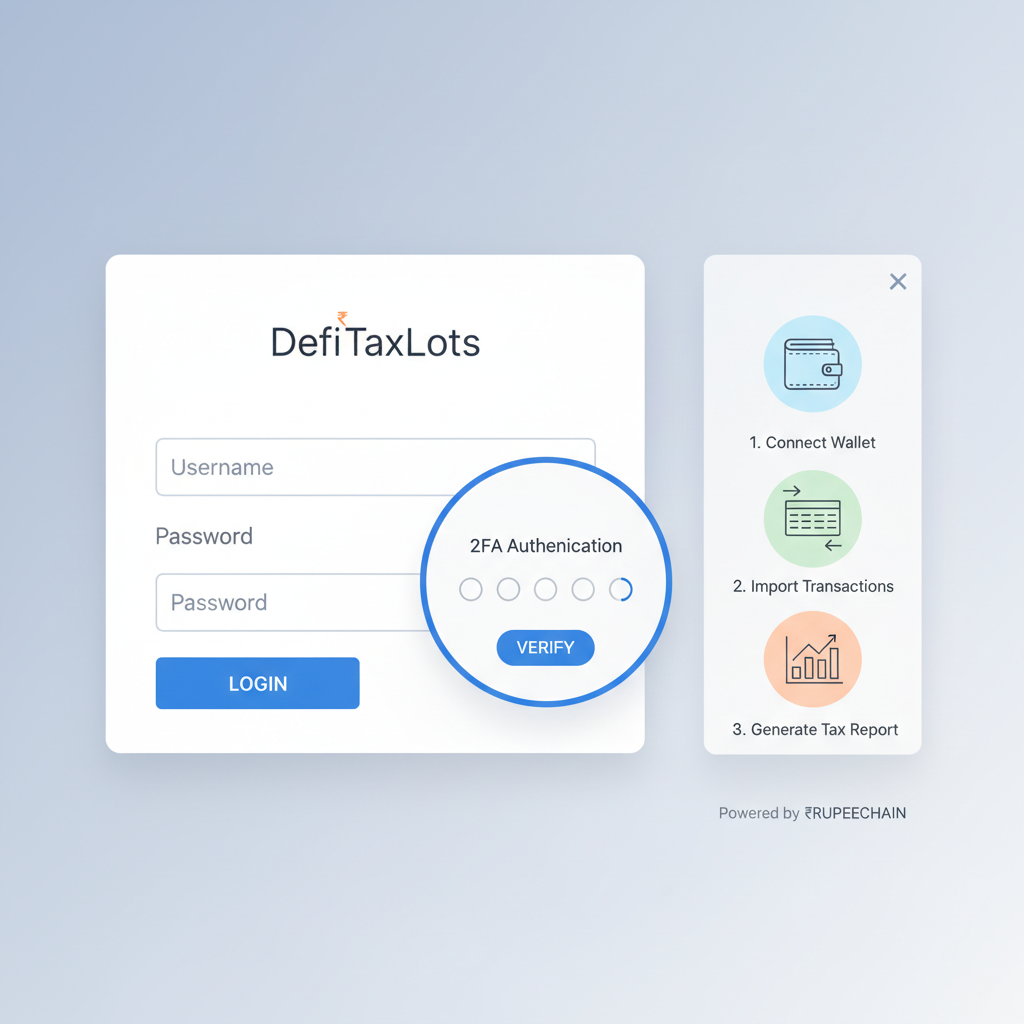
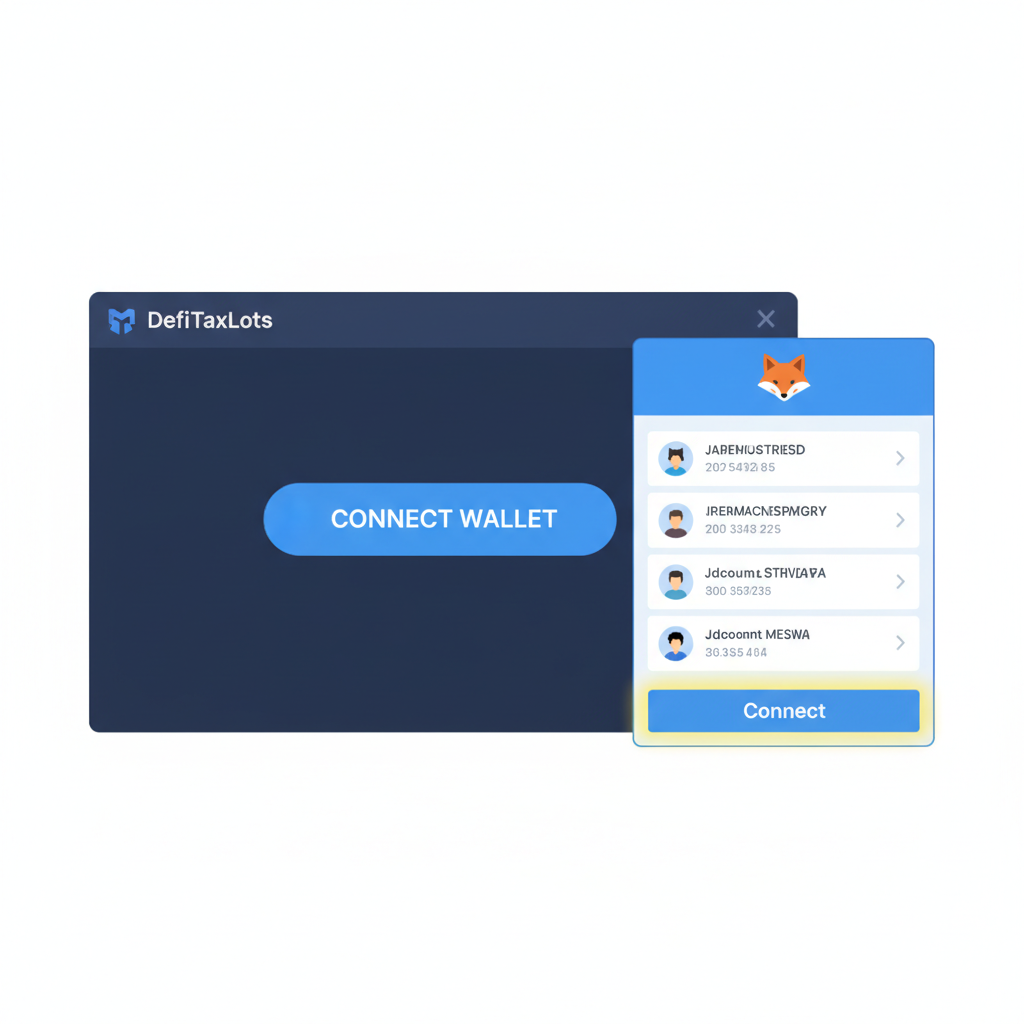
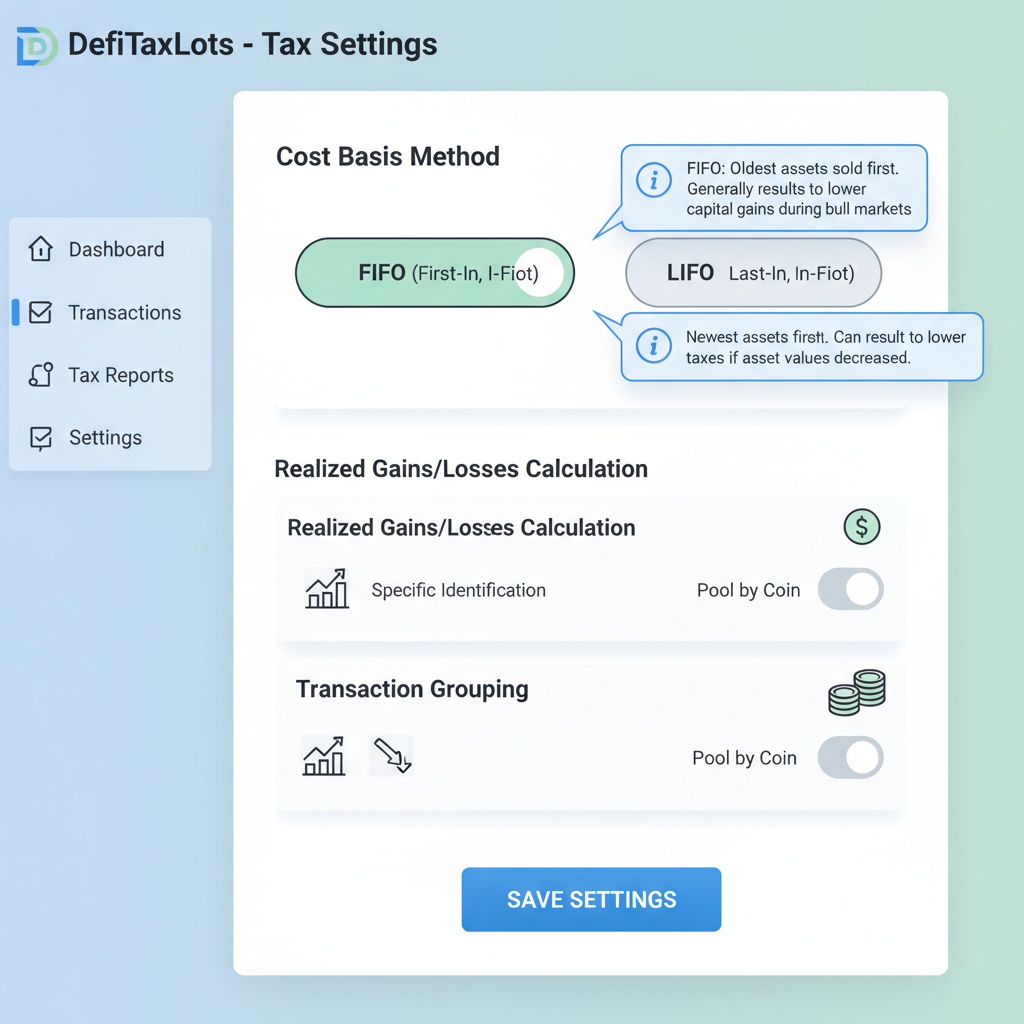
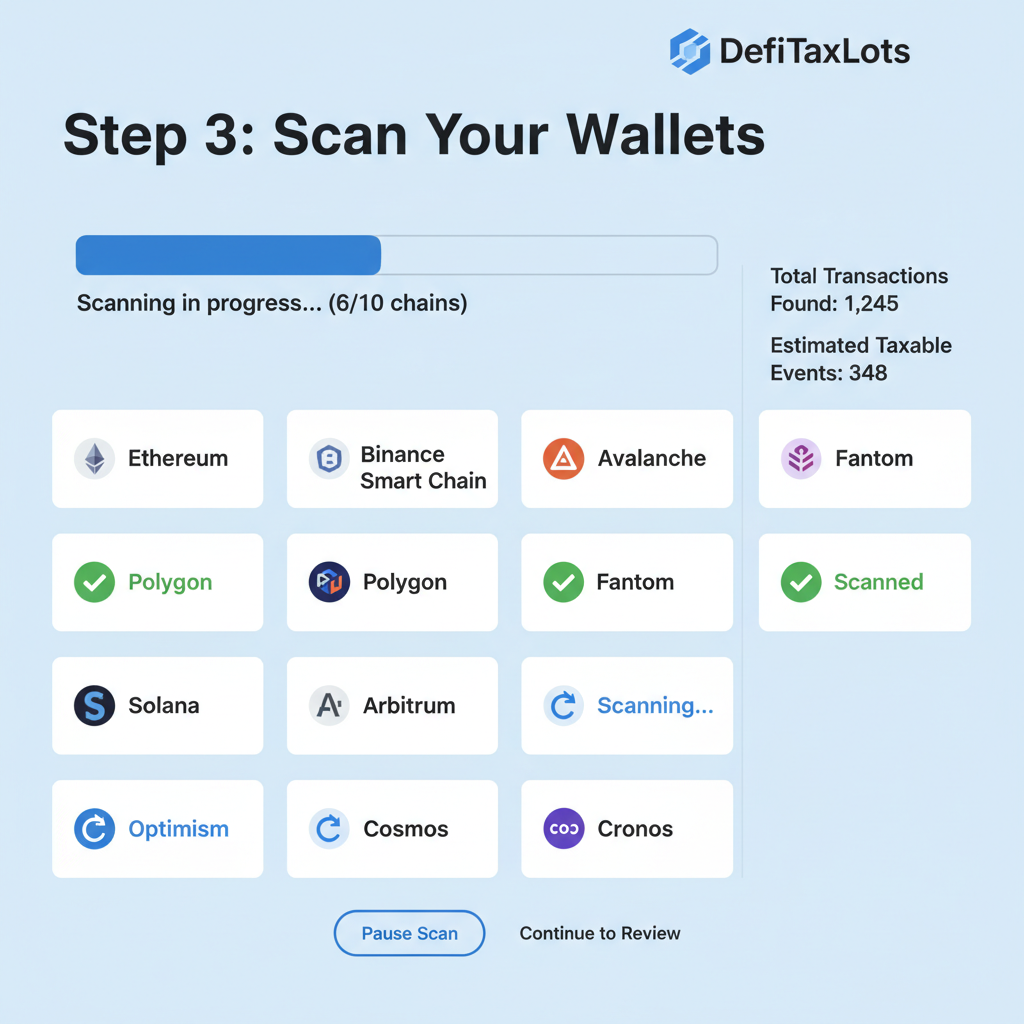
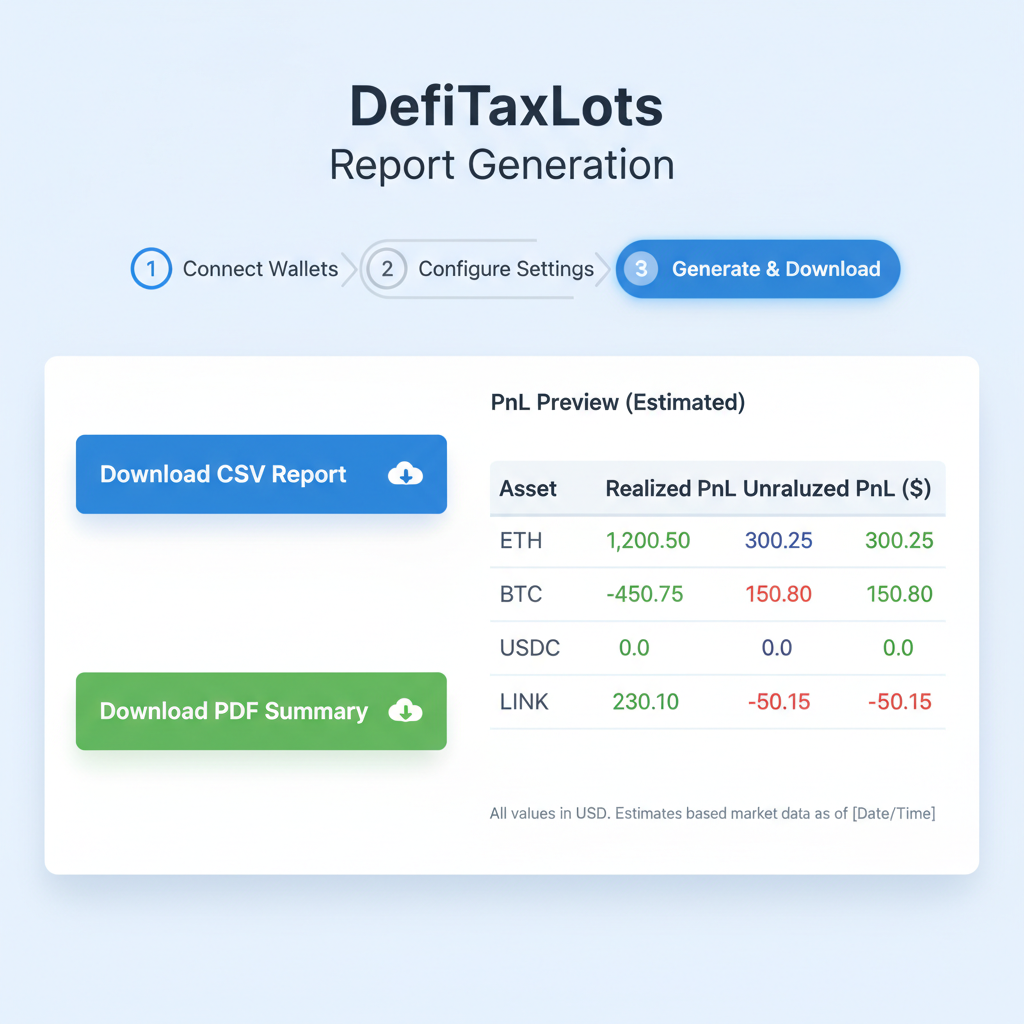
Once set up, monitor how DeFi protocols interact with your tax posture. Staking rewards count as VDAs from day one; airdrops trigger immediate basis. Platforms like DefiTaxLots tag these automatically, flagging wash-sale illusions that don’t exist under Indian rules but still demand accurate logging.
Opinion: Traders sleeping on this invite ruin. Volatility hedges – like perpetuals on dYdX or options on Lyra – demand lot-level visibility to avoid crystallizing losses you can’t offset. Pair it with multi-sig wallets for security, and you’re fortified.
Beyond mechanics, think ecosystem-wide. As CBDT pushes for chain analysis partnerships, pseudonymity fades. Proactive tracking isn’t just compliant; it’s competitive. Spot underperforming farms via PnL heatmaps, rebalance before tax drag hits.
In my 14 years managing risk, DeFi’s edge lies in data dominance. Indian traders face unique headwinds – rigid taxes, tracking woes – but onchain solutions level the field. Migrate to tools that compute, visualize, report. Manage risk first; compliant profits follow. Platforms bridging this – like DefiTaxLots. com – aren’t luxuries; they’re necessities in 2026’s regulatory squeeze.